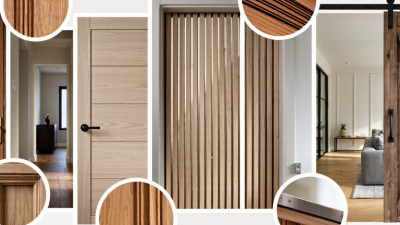
How to Choose a Wood Front Door?

A wood front door should welcome visitors, withstand daily use, and suit the home’s architecture. Yet choosing one is not only a style decision. Wood species, construction, finish, weather exposure, and maintenance all affect how the door performs over time. A warm oak grain may look striking in a showroom, but direct afternoon sun can change its appearance. Small details matter.

As a practical rule, “Choose the door for the weather it will face, not just the look you love.” This is an original buying guideline, not a quotation from a named expert. A trustworthy recommendation should be traceable to a real professional or published source, and none was provided here. Before choosing, compare solid-wood and engineered construction, check the manufacturer’s care instructions, and ask how the finish handles your local conditions. Do not skip that last question. A beautiful door can still demand more upkeep than expected.
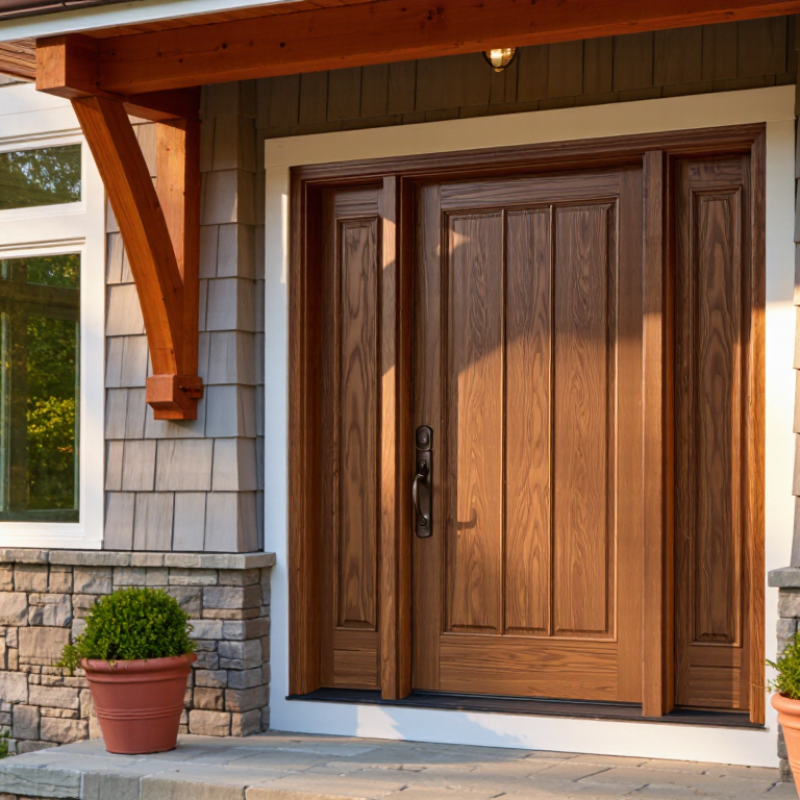
How to Choose a Wood Front Door?

Identify Your Climate, Security, and Design Requirements

A wood front door should suit the weather it faces, not just the photo that caught your eye. In damp or rainy regions, look for stable, well-constructed wood and a finish rated for exterior exposure. Check the door’s edges and lower rail regularly; water often finds those spots first. In sunny climates, strong light can fade finishes and dry exposed surfaces, so plan on periodic inspection and maintenance. A small overhang helps, though it cannot replace a sound finish. Climate details vary by home. That part is easy to overlook.

Security depends on more than the door slab. Consider a solid, sturdy construction, a well-fitted frame, and a quality deadbolt installed with long screws in the strike plate. Check that the hinges are secure and that the door closes without gaps or sticking. A beautiful door is less reassuring if the frame shifts when pushed. For homes with glass panels, consider their placement and whether the glass suits your privacy needs.

Then match the design to the house and your daily routine. A dark stain may highlight visible grain, while paint can create a cleaner, more uniform look. Ask how much upkeep you are willing to do. Wood may need refinishing as weather wears down its protective coating. I would not choose a finish only by its showroom appearance; lighting and exposure change it. Bring home a sample, if possible, and view it beside your entry in morning and afternoon light.
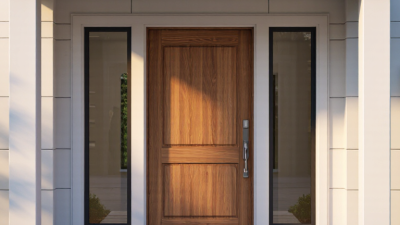
Compare Wood Species, Grain, and Natural Durability

Choosing a wood front door starts with species, but grain and exposure matter just as much. USDA Forest Products Laboratory’s Wood Handbook explains that wood properties vary within a species, including density, moisture movement, and decay resistance. In practical terms, a close-grained mahogany door may show a smoother, more even face, while oak’s open grain creates pronounced texture and needs careful finishing. Grain is not only visual. It affects how a door absorbs stain and how noticeable small surface marks become.

Natural durability depends partly on heartwood, the older wood at a tree’s center. The USDA handbook rates decay resistance by species and notes that sapwood is generally less durable than heartwood. That distinction can matter in cedar or mahogany selections. Teak is naturally durable, while softer species may need more protection from wet weather. Still, no species makes a door maintenance-free. A porch that catches driving rain can challenge even durable timber. I have seen attractive samples look quite different once sunlight and seasonal moisture reach the full door. Choose stable, well-dried stock, inspect the grain for defects, and ask how the door’s finish and edges are protected. These details are easy to overlook.

Choose a Door Construction and Suitable Core

A wood front door is built from either solid wood or an engineered construction. Solid wood offers natural grain and can be repaired, but seasonal humidity may cause it to swell or shrink. Engineered doors use wood veneers over a stable core, helping limit movement. Look closely at the door’s edges and panels; a convincing wood surface does not always mean the interior is solid timber.

The core affects weight, insulation, and sound control. A solid timber core feels substantial and can reduce noise, though it may cost more and still needs careful finishing. A composite or insulated core can improve thermal performance while keeping the door more stable in changing weather. Check the manufacturer’s specifications rather than judging by weight alone. That detail matters.

For a sheltered entry, a well-made engineered door may be practical. An exposed doorway needs durable exterior-grade materials, sealed edges, and a finish suited to rain and sunlight. Ask how the core and veneer are protected, and inspect the bottom edge, where water can collect. I once assumed a heavier door would always perform better; that is not quite true. Frame fit and weather sealing matter just as much.

Evaluate Finishes, Hardware, and Maintenance Needs

A wood front door faces sun, rain, dust, and frequent handling. Its finish should suit the local weather, not just the entryway’s color scheme. Paint can shield the wood well when applied over a suitable primer, while clear finishes show grain but often need closer attention outdoors. Check whether the door receives direct afternoon sun or sits beneath a deep porch. That detail changes how quickly coatings fade or crack.

Look closely at the hardware, too. A sturdy deadbolt, hinges, and handle should feel solid and operate without scraping. Choose corrosion-resistant hardware for damp or coastal settings, and make sure the lock aligns smoothly with the strike plate. Small gaps matter. A poorly fitted latch can strain the door over time, even when the hardware itself is sound. I once assumed a stiff handle needed replacing; a slight hinge adjustment solved it. It was not a dramatic fix, but it was easy to overlook.

Maintenance needs depend on exposure and finish. Inspect the lower edge, corners, and areas around glass after wet seasons, since moisture can enter where coatings wear thin. Clean gently, and follow the finish maker’s care instructions rather than using harsh cleaners. Recoat when the surface looks dull, rough, or cracked, not only when damage becomes obvious. The schedule is rarely exact. A shaded door may go years with little attention, while a sun-facing one may need earlier care. Keep a small note of inspections; otherwise, it is surprisingly easy to forget when the finish last looked healthy.

How to Choose a Wood Front Door? - Evaluate Finishes, Hardware, and Maintenance Needs
Decision Factor Options or Details Benefits Considerations Practical Recommendation
Wood species Common choices include mahogany, oak, fir, and cedar. Different species offer distinct grain patterns, colors, and working characteristics. Appearance, availability, cost, and resistance to weather vary. No species is maintenance-free outdoors. Choose a species suited to the local climate and the look you want; confirm that the door is intended for exterior use.
Door construction Solid-wood doors and engineered wood doors with veneers are both available. Engineered construction can help limit movement caused by changes in temperature and humidity. Construction quality and the manufacturer’s installation instructions affect durability and repair options. Ask how the door is built and whether all edges, including the top and bottom, are sealed.
Clear finish Transparent or semi-transparent exterior varnish, penetrating oil, or similar clear coating. Shows the natural grain and color of the wood. Sunlight and moisture can degrade clear finishes; they may require more frequent attention than opaque paint. Use a finish specifically rated for exterior wood and follow its preparation, application, and recoat instructions.
Paint finish Opaque exterior paint in a color that complements the home. Provides broad color choices and conceals variations in the wood’s appearance. Paint can crack or peel if the surface is poorly prepared or moisture enters the door. Prime and coat all required surfaces, paying particular attention to exposed edges and the manufacturer’s guidance.
Sun and weather exposure Assess direct sun, prevailing rain, humidity, and whether the entrance has an overhang or porch. Understanding exposure helps you select a suitable finish and maintenance schedule. Strong sun and repeated wetting can shorten the life of exterior coatings. Consider a protective overhang where practical, and inspect exposed doors more often than sheltered ones.
Lockset and deadbolt Choose compatible entry hardware with a lockset and, where appropriate, a separate deadbolt. Provides everyday operation and a way to secure the entrance. Hardware must fit the door’s thickness, bore locations, and backset; security depends on correct installation and the full entry assembly. Check the door preparation dimensions before purchasing hardware, and install according to the hardware instructions.
Hinges and fasteners Select hinge size and material appropriate for the door’s weight and exposure. Properly sized hinges support smooth operation and help keep the door aligned. Loose screws, corrosion, or misalignment can cause sticking and uneven gaps. Inspect hinges periodically and use fasteners suitable for the door, frame, and installation conditions.
Weatherstripping and threshold Use compatible perimeter weatherstripping and a properly adjusted threshold or door sweep. Can reduce drafts and help limit water and dust entry when correctly installed. Worn seals or an uneven threshold can affect comfort, operation, and moisture protection. Check the seal around the full perimeter and replace worn components while keeping the door easy to close.
Routine maintenance Clean gently, inspect the finish and joints, and check hardware and seals. Early attention can help identify coating damage, water intrusion, or loose hardware. Maintenance frequency depends on exposure, finish type, and the door’s condition. Inspect at least seasonally and after severe weather; recoat or repair when the finish shows wear, following product instructions.
Installation and fit Confirm the frame is square, the door is correctly fitted, and clearances allow operation. A well-fitted door opens smoothly and helps seals work as intended. Incorrect fitting can lead to sticking, gaps, and premature finish or hardware problems. Follow the door maker’s installation requirements and address drainage or water-management issues around the entry.

Measure the Entryway and Compare Installation Options

Measure the opening before comparing wood front doors. Record width at the top, middle, and bottom, then height on both sides. Check diagonals, wall depth, and whether the sill is level. A tape measure can miss a bowed jamb; an old house may be charmingly imperfect, but the door still needs a square, stable opening.

Measure the existing slab and the rough opening separately. If you are unsure where the frame ends, ask an installer to verify it before ordering.

Compare Your Installation Options

Next, compare installation options: replacing only the slab, fitting a prehung unit, or modifying the opening. A slab replacement can preserve trim, but it depends on sound jambs and compatible hinges. A prehung door includes its frame and can simplify alignment, though it may require trim and siding work.

The U.S. Department of Energy’s Energy Saver guidance emphasizes sealing gaps around doors to reduce drafts; careful shimming and weatherstripping matter as much as the door itself.

Ask for a written scope covering flashing, insulation, threshold adjustment, and disposal. The 2024 Cost vs. Value report from Journal of Light Construction estimated a 188.1% cost recoup for a steel entry-door replacement, a useful market reference, not a forecast for wood doors.

Wood needs more upkeep, too. That trade-off is easy to underestimate.