Top Wood Door Manufacturers for Global Buyers

Choosing reliable wood doors for international projects requires more than comparing catalog prices. Buyers must examine timber species, moisture control, joinery, surface finishing, certification, packaging, and after-sales support. A door may look flawless in a showroom yet warp after months in a humid coastal climate. That difference matters.

Dr. Robert H. Falk, a respected wood-products researcher, explains, “Wood is hygroscopic, meaning it gains and loses moisture as environmental conditions change.” This principle should guide every purchasing decision. Experienced manufacturers measure moisture content, use stable construction methods, and test finishes before shipping large orders. They also understand regional needs, from insulated entry doors in cold climates to termite-resistant options in tropical markets.

This guide reviews top wood doors manufacturers for global buyers. It considers production experience, material transparency, customization, quality control, export readiness, and communication. Strong suppliers should provide clear specifications. They should also explain limitations honestly.

No ranking is perfect.

A manufacturer with excellent craftsmanship may have limited logistics support. Another may offer competitive pricing but weaker design flexibility. Buyers should request samples, factory records, installation guidance, and realistic lead times. Small details reveal much: tight corner joints, even stain absorption, protected edges, and accurate hardware preparation.

The best choice is rarely the cheapest door. It is the supplier that combines dependable materials, repeatable workmanship, practical documentation, and responsive service. Some manufacturers still leave gaps in sustainability reporting or warranty clarity. Those gaps deserve careful questions before a contract is signed.

Top Wood Door Manufacturers for Global Buyers

What Defines a Leading Wood Door Manufacturer for Global Buyers

Top Wood Door Manufacturers for Global Buyers

What Defines a Leading Wood Door Manufacturer for Global Buyers

A leading wood door manufacturer offers more than attractive grain and smooth finishes. It provides verified material, stable production, and clear export communication. The FAO Global Forest Resources Assessment 2020 reports that forests cover about 31% of global land. This makes responsible sourcing a serious purchasing issue, not a marketing detail. Buyers should request species information, chain-of-custody evidence, moisture testing, and formal quality records.

Reliable manufacturers control details from kiln drying to final packaging. Door moisture content must match the destination climate, especially when products travel between humid and dry regions. ISO 9001-based quality systems can improve process consistency, but certification alone proves little. Buyers still need inspection photos, test reports, approved samples, and written tolerances. The FSC Facts & Figures 2023 report records more than 160 million hectares of certified forest worldwide, giving buyers a useful reference for responsible timber sourcing. Yet certified wood does not automatically guarantee excellent doors. That assumption needs reconsideration.

Tips: Ask for a full production timeline, not only a shipping date. Confirm core materials, veneer thickness, hardware preparation, packaging tests, and replacement procedures. Check whether the manufacturer can explain failure risks in plain language. A polished sample is not proof of mass-production consistency. No factory is perfect; honest suppliers disclose limits, document corrective actions, and keep communication precise when problems appear.

Key Wood Door Types and Manufacturing Standards to Compare

Top Wood Door Manufacturers for Global Buyers

Key Wood Door Types and Manufacturing Standards to Compare

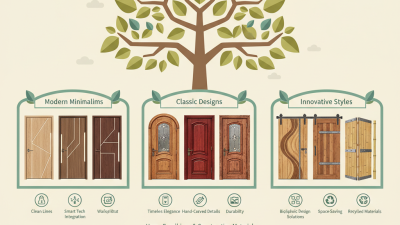
Global wood door buying starts with type, not appearance. Solid wood doors provide weight, repairability, and visible grain, but humidity can cause movement. Engineered wood doors use layered cores for better dimensional stability. Veneer doors offer a refined surface with lower material use. Exterior projects need weather-resistant construction, sealed edges, and suitable thresholds. Interior doors may prioritize acoustics, privacy, or fire performance. Each use changes the specification.

When comparing manufacturers, ask for moisture-control records, core details, adhesive data, and test reports. A reliable factory should state thickness, density, flatness tolerance, and hardware preparation clearly. Check whether fire, acoustic, and weather claims match recognized regional standards, such as ASTM or EN methods. Certificates help, but they do not replace production samples. I have seen attractive samples fail when edge sealing was inconsistent. That small defect became visible after installation. Request a pre-shipment inspection with photographs, measured dimensions, and packaging checks. Compare warranty terms, replacement procedures, and response times before placing a large order. No specification is perfect. Humidity, transport, and installation still matter. Buyers should record site conditions and review them with the supplier. Good comparisons expose weaknesses early, not after the doors reach a building.

Top Wood Door Manufacturers for Global Buyers - Key Wood Door Types and Manufacturing Standards to Compare

Door Type Typical Construction Common Applications Main Advantages Important Limitations Manufacturing and Quality Checks Relevant Standards or Tests Best Comparison Criteria for Buyers
Solid Timber Door Stiles, rails and panels made primarily from natural solid wood, often with engineered cores in selected areas. Residential entrances, premium interiors, heritage buildings and hospitality projects. Natural appearance, repairability, strong acoustic potential and high design flexibility. More sensitive to moisture, temperature changes, warping and seasonal movement than many engineered constructions. Moisture content, timber grading, joint strength, panel movement, straightness, surface defects and finish adhesion. Project-specific moisture requirements; EN 942 may be used for timber quality classification. Performance claims require applicable local testing. Species and grade, moisture-control process, finger-jointed versus full-length components, warranty terms and climate suitability.
Engineered Wood Door Composite construction using laminated timber, wood-based panels, blockboard, LVL or other engineered wood components. Residential, commercial, hotel, office and multi-unit housing projects. Improved dimensional stability, repeatable production, efficient material use and consistent machining. Adhesive quality and core composition vary; moisture or edge damage can affect service life. Core density, bonding strength, delamination resistance, screw holding, flatness and compatibility with hardware. EN 13986 can apply to wood-based panels used in construction; product-specific structural, acoustic or fire tests may also be required. Core type, panel emissions documentation, edge construction, dimensional tolerances, test reports and environmental conditions.
Wood Veneer Door A thin layer of natural wood veneer bonded to a stable substrate such as MDF, particleboard, plywood or engineered timber. Interior rooms, offices, hotels, apartments and architectural millwork. Natural wood appearance with controlled grain matching, lower material consumption and stable panel performance. Veneer can be scratched or damaged; color and grain may vary naturally between production batches. Veneer thickness, matching method, substrate flatness, adhesive coverage, pressing conditions and finish uniformity. EN 14322 may be relevant to melamine-faced boards; project specifications should define veneer grade, finish and substrate requirements. Veneer species, cut type, sequence matching, panel balance, repair policy, coating durability and sample approval process.
Flush Wood Door Flat door leaf with a smooth face, typically using a solid, semi-solid, cellular or mineral-based core with wood-based facings. Offices, schools, healthcare facilities, apartments and commercial interiors. Clean appearance, efficient production, easy finishing and compatibility with many hardware systems. Performance depends heavily on core type, edge sealing, face material and installation accuracy. Leaf thickness, core density, face bonding, edge treatment, warp limits, hinge reinforcement and machining accuracy. EN 14351-1 generally covers external pedestrian doorsets; internal doors may be assessed under relevant national or project standards. Acoustic rating, fire rating, impact resistance, surface finish, edge banding, hardware preparation and replacement-part availability.
Panel or Stile-and-Rail Door Frame-and-panel assembly with vertical stiles, horizontal rails and one or more raised, flat or glazed panels. Traditional residences, hotels, restaurants, period-style projects and interior applications. Classic appearance, design variety, replaceable components and potential for solid or glazed configurations. More joints and profiles require careful machining, assembly and finishing to prevent visible gaps or movement. Mortise-and-tenon or equivalent joint quality, panel clearance, corner squareness, profile consistency and finish coverage. Applicable product, fire, acoustic and safety-glazing standards depend on the complete doorset and intended market. Joint design, panel construction, glazing method, tolerance control, finish system, repairability and visual consistency.
Exterior Wood Door Weather-resistant timber or engineered wood doorset with sealed faces, protected edges, threshold and compatible weather seals. Main entrances, villas, resorts, public buildings and low-rise commercial properties. Warm appearance, customization potential and good thermal and acoustic performance when correctly designed. Requires regular maintenance in exposed locations; poor drainage, unsealed edges or incorrect installation can cause damage. Water management, coating coverage on all edges, dimensional stability, threshold design, seal compression and drainage details. EN 14351-1; ASTM E283 for air leakage and ASTM E331 for water penetration may be used where applicable. ASTM E330 addresses structural performance. Climate exposure, U-value, air and water performance, wind-load design, maintenance interval, threshold accessibility and installation method.
Fire-Rated Wood Door Certified door leaf and frame assembly using a tested core, compatible intumescent seals, glazing and fire-rated hardware where specified. Stairwells, corridors, hotels, apartment buildings, schools, healthcare and industrial facilities. Can provide a regulated period of fire resistance when the complete doorset is correctly tested and installed. A fire-rated claim applies only to the tested configuration; substitutions in core, frame, hardware or glazing may invalidate certification. Core composition, label or certificate traceability, seal placement, frame construction, glazing, hardware and installation instructions. NFPA 80 provides installation and maintenance guidance in the United States; UL 10C and NFPA 252 are commonly associated with fire-door testing in applicable markets. EN 1634-1 is used for fire-resistance testing in many European projects. Required rating period, test scope, complete doorset configuration, third-party certification, labeling, hardware schedule and local code acceptance.
Acoustic Wood Door Dense or multi-layer core with sealed perimeter, drop seal or threshold, and carefully fitted frame and hardware. Bedrooms, meeting rooms, studios, offices, hotels and healthcare spaces. Can reduce airborne sound transmission when leaf, frame, seals and wall construction work as a complete system. Laboratory performance may not equal installed performance; gaps around the frame and threshold can significantly reduce effectiveness. Leaf mass, perimeter seals, drop seal operation, frame joints, hardware fit, test configuration and installation tolerances. ISO 10140 is used for laboratory sound-insulation measurements; ISO 717-1 provides rating methods for airborne sound insulation. Required Rw or STC rating, laboratory versus field rating, seal durability, threshold design, wall interface and acoustic test report.
Sustainable or Certified-Timber Door Door made with documented timber sources, certified materials or recycled wood content, depending on the project requirement. Green-building projects, public procurement, commercial developments and environmentally specified interiors. Supports responsible sourcing objectives and can contribute to project documentation when chain-of-custody records are available. Certification does not automatically prove durability, fire performance, low emissions or overall environmental superiority. Material traceability, chain of custody, recycled content records, adhesive and coating declarations, waste control and packaging practices. FSC or PEFC chain-of-custody certification may document responsible sourcing. ISO 14025 and EPD programs may support environmental product declarations. Valid certificate scope, product-level documentation, recycled content, formaldehyde or VOC declarations, life-cycle data and project credit requirements.
Buyer Note: Standards and certifications should be checked against the destination country, building code, complete doorset configuration and intended installation conditions. A test report for one door assembly does not automatically cover products with different cores, frames, glazing, hardware or dimensions.

How to Evaluate Quality, Customization, and Production Capacity

Top Wood Door Manufacturers for Global Buyers

How to Evaluate Quality, Customization, and Production Capacity

Quality begins with the core material, not the showroom finish.

Ask for timber species, moisture readings, and veneer construction details. For many interior applications, stable moisture levels often fall near 8–12%, but local climate matters. Inspect a full-size sample. Check straightness, edge joints, grain matching, hinge pockets, and coating consistency. A polished sample can hide production variation. Ask to see rejected doors, too. That conversation may reveal more than a sales presentation. Request independent test reports when performance claims involve fire resistance, sound control, or durability.

Customization requires technical communication.

Share drawings with dimensions, tolerances, wall conditions, hardware schedules, and finish references. A capable manufacturer should return clear shop drawings before production. Confirm whether changes affect price, tooling, or lead time. Small details matter, such as concealed closers, oversized leaves, or uneven floor gaps. A factory may accept every request, yet struggle to manufacture it consistently. Treat that as a warning, not a promise.

Production capacity is more than a monthly output number.

Review equipment, staffing, quality checkpoints, storage areas, and packaging methods. Ask how many projects run at the same time. Request a realistic production schedule with approval dates, inspection windows, and shipment milestones. Check whether critical materials come from stable suppliers. Arrange a pre-shipment inspection, and compare packed quantities with approved documents. Mistakes happen. Reliable producers show how they detect, record, and correct them. Past project references can confirm whether their stated capacity matches actual delivery performance.

International Sourcing Factors: Certifications, Pricing, and Logistics

For global door buyers, certification is a purchasing filter, not a decorative badge. FSC or PEFC documentation can clarify wood origin, while ISO 9001 evidence indicates controlled production processes. Product compliance still requires closer checking. EN 14351-1 may apply to external doors in relevant European markets, while ASTM requirements differ in North America. Ask for current certificates, scope, test methods, and factory addresses. A certificate without matching product scope is weak evidence.

Pricing should be compared line by line. Request costs for the door leaf, frame, glazing, hardware, packing, inspection, and replacement parts. UNCTAD’s Review of Maritime Transport 2023 reports that over 80% of global merchandise trade by volume moves by sea. Freight planning is central, not administrative. Compare Incoterms, container utilization, port charges, insurance, and demurrage assumptions. A cheaper EXW quote may become expensive after inland transport and export handling. It happens often.

Use the World Bank’s Logistics Performance Index 2023 as a country-level reference; it assessed 139 economies through supply-chain feedback. The index cannot predict one factory’s performance. Still, it helps flag customs and tracking risks. Request moisture protection, corner guards, pallet dimensions, loading photographs, and a documented claims process. Wood doors can warp after a humid voyage, even when inspections look excellent. I would sample one shipment before scaling orders. That slows purchasing, but exposes packaging mistakes early. Paperwork feels reassuring. Physical inspection remains harder and more truthful.

Top Wood Door Manufacturers for Global Buyers

International Sourcing Factors: Certifications, Pricing, and Logistics

Certifications
Buyers commonly verify FSC chain-of-custody documentation, ISO 9001 quality systems, and applicable market standards such as EN 14351-1 or ASTM requirements.
Pricing
Final pricing depends on timber species, moisture control, door construction, glazing, hardware, surface finish, packaging, order volume, and Incoterms.
Logistics
The timeline shows practical planning allowances in working days for certification review, sampling, production, inspection, and ocean freight.

Planning benchmarks vary by destination, order specification, season, port congestion, and customs procedures. Confirm current schedules and compliance documents before placing an order.

A Practical Framework for Selecting the Right Wood Door Manufacturer

Top Wood Door Manufacturers for Global Buyers

A Practical Framework for Selecting the Right Wood Door Manufacturer

Choosing a wood door manufacturer requires more than comparing catalog prices. Review the factory’s production experience, material sources, and quality controls. Ask for wood species, moisture readings, and core construction details. A reliable supplier should explain how timber is kiln-dried and stored. Look for clear inspection records, not broad promises.

Request a full-size sample when possible. Check the door’s weight, joint alignment, edge finish, and surface consistency. Open and close it repeatedly. Small gaps may appear after installation. That detail matters. Confirm the tested performance for water resistance, fire rating, sound control, or thermal efficiency. Requirements vary by project and destination, so independent test documents deserve careful review.

Production capacity also needs practical verification. Ask how the manufacturer handles custom dimensions, hardware preparation, packaging, and replacement parts. A factory may claim high output but struggle with ten unusual door sets. Inspect packing photos and clarify container loading methods. Confirm lead times in writing, including approval, production, inspection, and shipping stages. Communication is part of quality.

No manufacturer is perfect. A supplier that admits limitations may be safer than one offering effortless answers. Evaluate sample results, factory evidence, response speed, and after-sales responsibility together. Before placing a large order, use a smaller trial shipment. It may cost more initially, but it can expose warped panels, color variation, or unclear labeling before the full project begins.