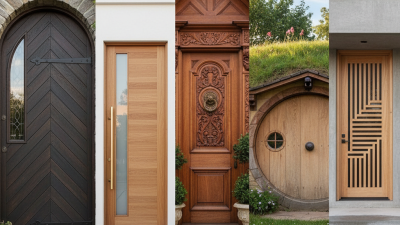
Why Choose Interior Wood Doors for Your Home Design Needs?
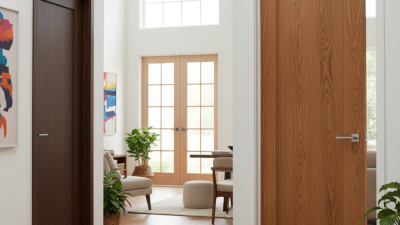
When it comes to home design, the choice of materials is crucial. Interior wood doors have gained popularity for their aesthetic appeal and practical benefits. According to John Smith, an industry expert with over 20 years of experience, “Interior wood doors add warmth and character to any space.” This sentiment resonates with many homeowners who seek a blend of style and functionality.
Wood doors bring a natural elegance that can transform a room. They offer a range of styles, finishes, and wood types to cater to diverse tastes. However, the selection process can be overwhelming. It requires careful consideration of the overall design, climate conditions, and maintenance needs. Not all wood doors are created equal, and understanding the differences is essential.
In a world increasingly dominated by synthetic materials, choosing interior wood doors reflects a commitment to quality and sustainability. Buyers should be aware of potential drawbacks, like cost and susceptibility to moisture. That said, the right choice can enhance your living environment significantly, making it a worthwhile investment.
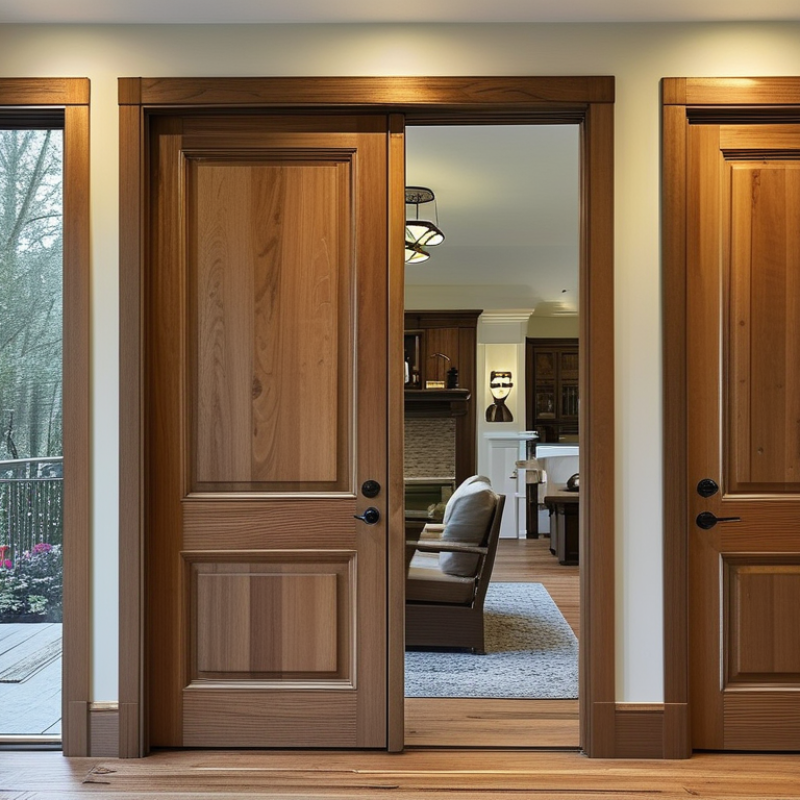
Benefits of Interior Wood Doors in Home Design
When considering home design, interior wood doors offer a timeless appeal. They complement various styles, from traditional to modern. The richness of wood adds warmth to any space. Additionally, wood doors provide excellent sound insulation. This feature enhances privacy, making your home more peaceful.
The durability of interior wood doors is impressive. They withstand daily wear and tear better than many alternatives. This durability translates to long-term savings. However, maintaining their finish is essential. Regular polishing can keep them looking fresh. Be mindful that high humidity can warp wood. Therefore, consider your environment before choosing.
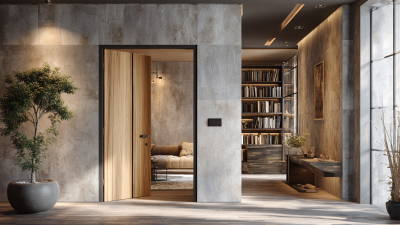
For a seamless design, choose the right wood type. Different species provide various aesthetics and qualities. Light woods like pine create a casual feel. Darker woods like mahogany add elegance. Test samples in your space; lighting dramatically affects appearance. Lastly, remember that imperfections can add character. Embrace the unique variations in wood grain and texture. Such details can enhance the overall design of your home.
Variety of Styles and Finishes Available for Wood Doors
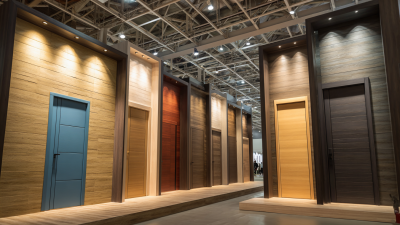
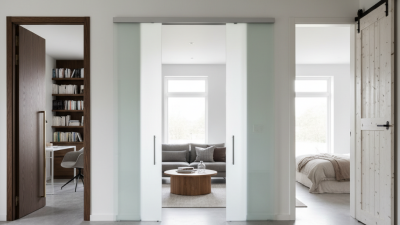
When it comes to home design, wood doors offer an impressive range of styles and finishes. From traditional to modern aesthetics, the options are abundant. Solid wood doors come in multiple species like oak, maple, and cherry, each possessing its own texture and grain pattern. You can choose a classic raised panel door or a sleek, flat design that complements contemporary interiors.
Finishes also play a crucial role in enhancing the beauty of wood doors. Stains can highlight the natural wood grain. A light oak stain offers a warm, inviting look, while a dark walnut finish brings sophistication. Paint options allow for more creativity, enabling homeowners to incorporate vibrant colors that reflect their personality. The versatility of wood doors means you can find something that matches your existing decor or creates a new focal point.
While wood doors can significantly elevate your home’s design, they require regular maintenance. They may warp or swell with weather changes, needing careful installation. Finishes might scratch over time, requiring reapplication. These challenges call for thoughtful consideration during the selection process. However, the beauty and timeless appeal of wood doors often outweigh these concerns, making them a worthy investment for your home.
Durability and Longevity of Wood Compared to Other Materials
When considering interior doors, wood stands out for its durability and longevity. Unlike materials like hollow-core or metal, wood has a natural resilience. It can withstand daily wear and tear, making it an excellent choice for high-traffic areas. A solid wood door can last decades with proper care.
Wood also offers a unique beauty. Each piece possesses distinct grains and textures, adding warmth to any home. In contrast, synthetic materials can look uniform and less inviting. Yet, wood requires attention. Humidity can cause warping or cracking if not monitored. A bit of maintenance, like regular refinishing, goes a long way in preserving its integrity.
When thinking about long-term value, wood outperforms many alternatives. Investing in quality wood doors can enhance your home's appeal while providing reliability. It’s essential to weigh the initial cost against longevity. In the end, making thoughtful choices about materials can shape both aesthetics and practicality in your home.
Durability Comparison of Interior Wood Doors vs. Other Materials
The Insulation Properties of Wood Doors for Energy Efficiency
When considering home design, wood doors stand out for their insulation properties. They are natural insulators, reducing heat transfer. This quality is essential for energy efficiency. A well-insulated door can help maintain indoor temperatures, leading to lower energy bills. Wood doors create a cozy atmosphere while contributing to your home's overall energy conservation efforts.
Tips: Choose solid wood doors for better insulation. Hollow-core options may be lighter, but they often lack the same thermal benefits. Ensure the doorframe fits snugly to minimize drafts. Weatherstripping can supplement insulation, providing a tighter seal.
Wood's aesthetic appeal is undeniable. However, it’s essential to consider the maintenance required. Regular treatment is necessary to keep doors looking pristine. Over time, wood may warp or crack if not cared for correctly. Choose finishes that enhance durability, but also consider how they age. Reflect on your long-term commitment to upkeep when selecting wood doors.
Eco-Friendly Aspects of Choosing Wood for Interior Doors
Choosing wood for interior doors is an eco-friendly decision. Wood is a renewable resource, unlike synthetic materials. Sustainable forestry practices ensure that trees are replaced after they are cut down. This process helps maintain biodiversity and protects ecosystems.
Wooden doors add warmth and character to spaces. They can be crafted from various species, each offering unique aesthetics. However, not all wood is sourced sustainably. It's crucial to look for certifications that guarantee responsible sourcing. This can be a challenge for homeowners who seek authenticity.
Incorporating wood into your home design can raise concerns about maintenance and durability. Wood requires care to prevent warping and damage from moisture. Regular upkeep is essential to extend its lifespan. Balancing aesthetics with practicality is necessary for a sustainable choice.
Why Choose Interior Wood Doors for Your Home Design Needs? - Eco-Friendly Aspects of Choosing Wood for Interior Doors
| Aspect |
Description |
Environmental Benefit |
| Sustainability |
Wood is a renewable resource when sourced responsibly. |
Supports sustainable forestry practices and lowers carbon footprint. |
| Biodegradability |
Wood doors can decompose naturally at the end of their life cycle. |
Reduces waste in landfills compared to synthetic materials. |
| Energy Efficiency |
Wood has natural insulating properties. |
Helps to lower energy consumption for heating and cooling. |
| Aesthetic Appeal |
Offers a warm and natural look that complements home design. |
Enhances the ambiance and reduces the need for artificial reproductions. |
| Health Benefits |
Wood can improve indoor air quality by regulating humidity. |
Contributes to healthier living spaces. |