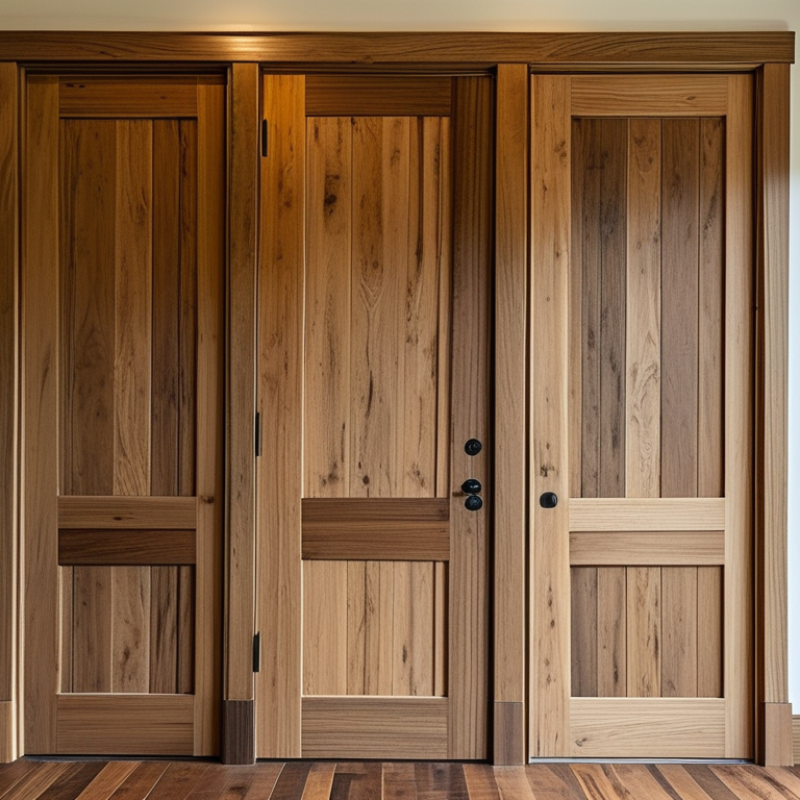
How to Choose the Best Wood Panel Doors for Your Home?
Choosing the right wood panel doors can significantly enhance your home’s aesthetic and functionality. According to John Smith, a leading expert in the wood door industry, “Wood panel doors offer both beauty and durability.” This quote highlights their dual appeal.
When selecting wood panel doors, consider the style that best fits your space. Different wood grains and finishes can drastically change a room’s atmosphere. It’s essential to think about the door’s purpose too—will it be used frequently, or is it purely decorative?
Keep in mind that not all wood panel doors are created equal. Quality varies, and it’s worth investing in well-made options that stand the test of time. Reflect on your choices carefully. Rushing through this decision might lead to regrets down the line.
Factors to Consider When Selecting Wood Panel Doors for Your Home
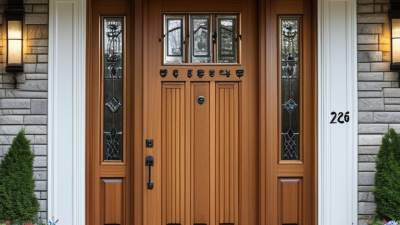
Choosing the right wood panel doors for your home can greatly enhance its aesthetic appeal. Consider the style of your home when selecting doors. Traditional homes might benefit from flat-panel designs, while contemporary spaces may suit raised panels. A visual mismatch can feel jarring. Ensure the door style complements your overall interior.
Wood type is crucial. Different woods, like oak or maple, offer varying durability and visual characteristics. Oak is sturdy, with a distinct grain pattern, while maple presents a smooth finish. Weigh aesthetic choices against practical needs. Look at the door's finish as well; a high-gloss finish may reveal fingerprints, while a matte finish can hide imperfections better.
Do not ignore insulation properties. Solid wood panels provide better insulation than hollow ones. This choice impacts energy efficiency and comfort. Lastly, consider your budget. Quality doors can be costly, yet cheaper options may require more replacements. Be honest about how much you can invest long-term.
Factors Influencing the Selection of Wood Panel Doors
Types of Wood Used in Panel Doors and Their Characteristics
When selecting wood panel doors, understanding the types of wood is essential. Different woods offer unique characteristics, which impact both aesthetics and durability. For example, oak is known for its strength and classic grain. It can withstand wear and tear well, making it suitable for high-traffic areas. However, oak may not fit every home decor style. Considering the visual appeal is just as crucial as understanding its performance.
Pine is another popular option, often chosen for its affordability and light weight. This wood is easier to work with, making it ideal for custom designs. However, pine dents more easily and may require more maintenance over time.
On the other hand, cherry wood boasts rich colors and ages beautifully. Its premium price point reflects its quality, but it’s important to consider your budget.
In contrast, MDF offers a cost-effective alternative. It is made of engineered wood, providing a smooth finish that can mimic the look of solid wood. However, it lacks the natural characteristics of real wood and may not offer the same durability. Each material presents trade-offs. Homeowners need to weigh these factors carefully to choose the best fit for their home.
Styles and Designs of Wood Panel Doors for Different Aesthetics
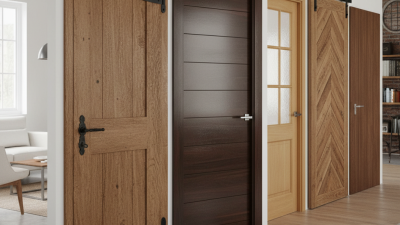
When selecting wood panel doors, aesthetics play a vital role in enhancing the interior of your home. Different designs cater to various styles, from traditional to contemporary. For instance, raised panel doors radiate a classic charm, while flat panel doors offer a sleek and minimalistic look. According to a report by the National Association of Home Builders, 56% of homeowners prioritize visual appeal in their door selections. This statistic highlights the importance of considering styles that align with your personal taste.
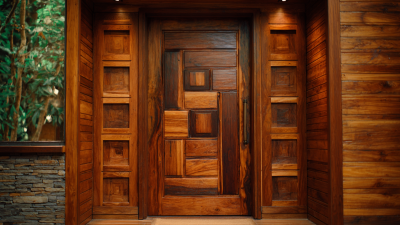
The choice of wood type significantly affects the door's look and feel. Oak, maple, and cherry are popular choices, each bringing unique textures and colors. Oak's grain pattern can add warmth to rustic-themed homes. In contrast, cherry wood's rich hue complements modern interiors. A key finding from the American Wood Council suggests that door style can impact a home's resale value by up to 10%. This shows that investing in the right design is not just about immediate satisfaction; it's also about long-term benefits.
However, one must also reflect on practicality. While ornate designs may be appealing, they can accumulate dust and require more maintenance. Likewise, while lighter colors can brighten spaces, they may show scuffs more easily. Therefore, understanding the balance between beauty and functionality is essential in choosing the best wood panel doors for your home.
How to Choose the Best Wood Panel Doors for Your Home?
| Door Style |
Design Characteristics |
Best For |
Aesthetic Appeal |
| Traditional Raised Panel |
Features a raised center panel and decorative molding |
Classic home styles, Colonial architecture |
Elegant and timeless look |
| Flat Panel |
Smooth surface with minimal detailing |
Modern and minimalist spaces |
Sleek and contemporary appearance |
| Shaker Style |
Simple frame and recessed center panel |
Farmhouse and casual interiors |
Casual and inviting atmosphere |
| Louvered Panel |
Slatted design that allows airflow |
Coastal and tropical themes |
Relaxed and breezy feel |
| Panel with Glass Inserts |
Panels featuring decorative or frosted glass |
Entryways and dining areas |
Open and airy appeal |
Understanding the Installation Process for Wood Panel Doors
When installing wood panel doors, it's essential to understand the process to ensure a successful outcome. Start by measuring the door frame accurately. According to a survey by the Home Improvement Research Institute, precise measurements can reduce the likelihood of costly errors by 30%. Take into account any irregularities in the frame. Use a level to determine if the frame is square. This initial step can save time and frustration during installation.
Preparation is crucial. Before installation, gather all necessary tools. Professionals often recommend having a drill, screwdriver, and shims on hand. Ensure the door hinges are aligned properly, as improper alignment can lead to wear and tear. An industry report suggests nearly 25% of door issues stem from misalignment during installation. As such, it’s worth taking the extra time to make sure everything lines up correctly.
Finally, don't overlook the finishing touches. Sealing edges can prevent moisture damage, which is vital for door longevity. Use appropriate seals and finishes, as they add an extra layer of protection. Remember, while the installation process may seem straightforward, attention to detail is key. Each step matters, and small mistakes can lead to significant setbacks.
Maintenance Tips for Keeping Your Wood Panel Doors in Top Condition
Maintaining wood panel doors requires consistent care. Start by dusting them regularly to prevent dirt build-up. A soft cloth works best. For more stubborn stains, lightly dampen the cloth with a mild soap solution. Avoid harsh chemicals; they can damage the finish.
Another crucial aspect is humidity control. Wood expands and contracts with changes in moisture. In excessively dry conditions, doors may warp. Consider using a humidifier during winter months. Additionally, check for scratches or dents. Small imperfections can worsen over time if not addressed. Light sanding followed by a touch of finish can conceal minor blemishes.
Pay attention to the hinges and locks, too. They should be lubricated periodically to ensure smooth operation. A squeaky door is not just annoying; it may indicate wear. Regular maintenance extends the life of your wood panel doors while keeping them looking beautiful.