What is the Best Option for Commercial Wood Doors?
When selecting commercial wood doors, businesses face numerous options. These doors play a vital role in aesthetics and functionality. They must align with the brand image while ensuring durability and security.
Commercial wood doors are prevalent in various settings, from offices to retail spaces. Their designs can significantly influence customer impressions. However, choosing the right type can be challenging. Quality and price vary widely. Not every product labeled "commercial" meets high standards.
Some doors may promise durability but fail in real-world scenarios. It is essential for decision-makers to consider long-term value. Testing different styles and materials, while reflecting on their choices, can lead to better outcomes. Investing in commercial wood doors is not just about looks; it's a commitment to quality and performance.
Types of Commercial Wood Doors Available in the Market
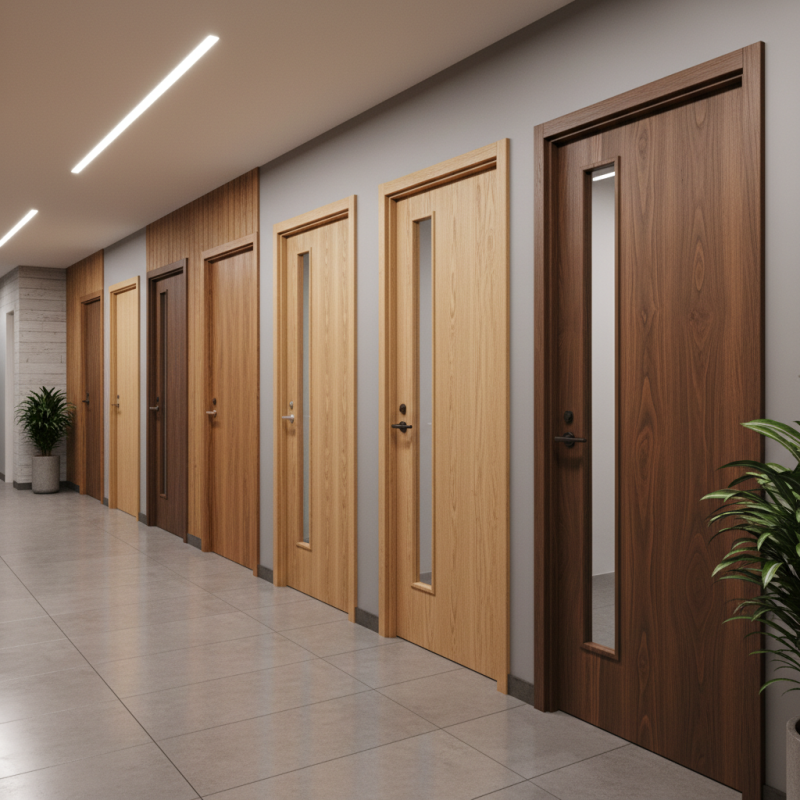
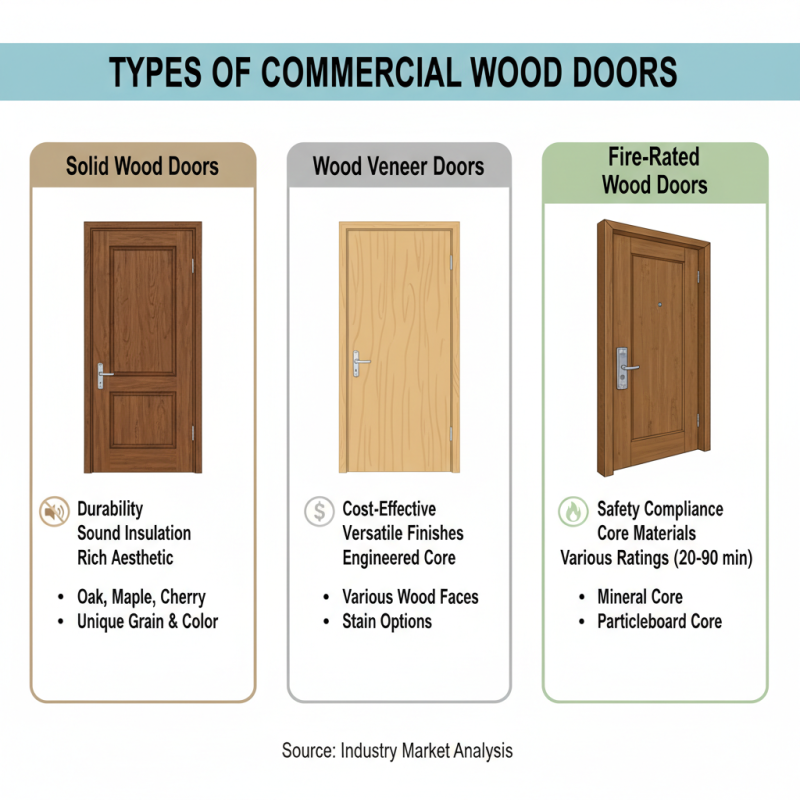
When considering commercial wood doors, it's essential to recognize the variety available in the market. Solid wood doors are popular for their durability and aesthetic appeal. They can provide significant sound insulation. Different wood species, like oak or maple, offer unique grain patterns and colors. These variations add character to a space.
Hollow core wood doors are another option. They are lightweight and cost-effective compared to solid wood. These doors are often used in interior settings. They may lack some soundproofing qualities but are efficient for many applications. For a more environmentally-friendly choice, consider reclaimed wood doors. They not only offer a distinctive look but also promote sustainability.
While each type has its benefits, there are some drawbacks to consider. Solid wood doors can be costly. They may require more maintenance to avoid warping. Hollow core doors might not meet the design expectations of some businesses. Reclaimed wood can vary significantly in quality. Ensuring proper installation and finish is crucial for all types.
Key Factors to Consider When Choosing Wood Doors for Commercial Use
When selecting wood doors for commercial use, several key factors come into play. Consider the type of wood. Hardwoods like oak or maple offer durability and a polished appearance. A study by the Wood Products Council states that well-chosen hardwoods can last over 30 years with proper maintenance.
Assess the door's construction. Solid core doors provide superior sound insulation. They are 35-45% more effective at blocking noise than hollow core options. This can enhance privacy and create a better working environment.
Think about fire resistance as well. Commercial buildings often require doors that meet strict safety codes. Some wood doors are available with fire ratings, offering up to 90 minutes of protection. Research from the National Fire Protection Association underlines the importance of fire doors in reducing damage.
Additionally, aesthetics should not be overlooked. The door's design contributes to the overall feel of your space. Choosing the right finish can impact not only appearance but also longevity. Costs can vary significantly, so a thoughtful approach to selection is essential. Keep in mind, not all options are ideal for every situation. Evaluate your specific needs to find the best fit.
Comparing Different Wood Species for Durability and Aesthetics
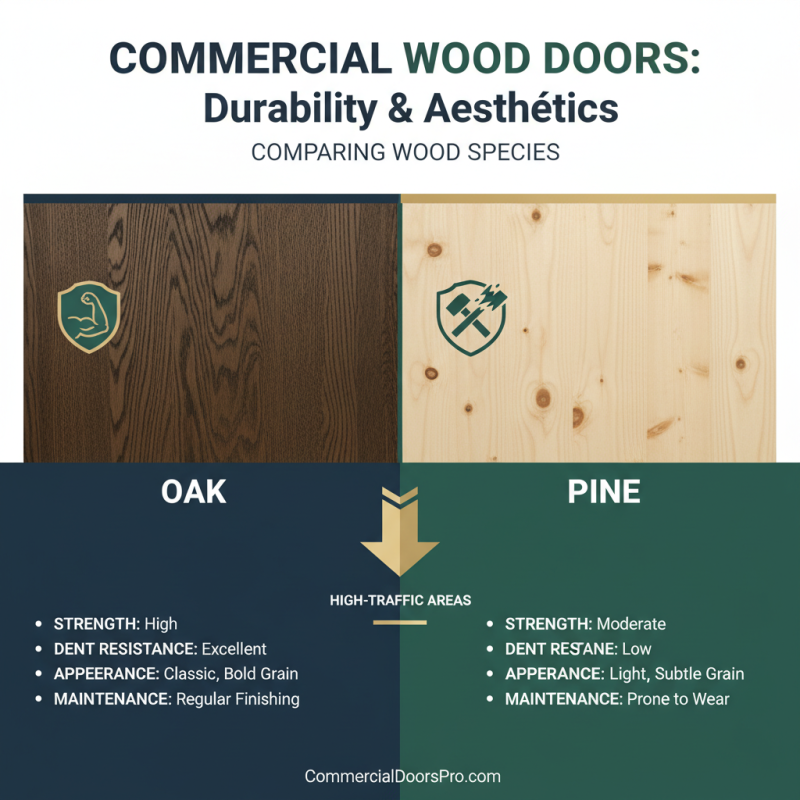
When selecting commercial wood doors, the choice of wood species significantly impacts durability and aesthetics. Different woods offer unique grains, colors, and resistance to wear. For instance, oak is valued for its strength and classic appearance. It can withstand heavy use but may require extra care to maintain its finish. Pine, on the other hand, is softer and more susceptible to dents and scratches. While easier to work with, its longevity can be a concern in high-traffic areas.
Tips: Consider your environment carefully. If you anticipate heavy use, opt for harder woods. Evaluate the door's finish and maintenance needs. A high-quality seal can enhance the appearance and durability.
Cherry wood provides a rich, deep color but can be prone to fading over time. This may not be ideal for sunlit areas. Maple offers a lighter look and is relatively durable, but it can show scratches more visibly. If aesthetics are a priority, always test samples in your specific lighting conditions to see how they will look.
Tips: Remember to assess your long-term goals. Will the wood age gracefully, or will it require constant upkeep? An informed choice can save you time and resources in the future.
Understanding the Cost Implications of Commercial Wood Doors
When considering commercial wood doors, understanding cost implications is crucial. The price of these doors varies significantly, often ranging from $300 to $1,500 per unit, depending on material quality and design complexity. Notably, solid wood options typically fall on the higher end of that spectrum. According to a 2022 industry report, the average installation cost adds an additional 30% to the total budget.
Maintenance factors also influence long-term expenses. Wood doors require periodic refinishing to maintain their aesthetic and structural integrity. An annual maintenance budget of 10-15% of the door's value is common. This can add up quickly, leading to potential overages if not planned for. While wood doors provide warmth and character to commercial spaces, their upkeep can be a concern, particularly for high-traffic environments.
Moreover, the return on investment (ROI) for wood doors isn’t always immediately apparent. In some cases, they can enhance property value and appeal, especially in upscale developments. However, it's important to weigh the cost against the durability and lifespan. Lesser-known alternatives may offer similar aesthetic benefits at a lower price point. Careful consideration is essential when making this investment.
Maintenance Tips to Extend the Lifespan of Wood Doors in Commercial Settings
Maintaining commercial wood doors is essential for longevity and functionality. Regular cleaning is vital. Dirt and grime can cause deterioration over time. Use a soft cloth with mild soap. Avoid harsh chemicals, as they can strip the finish.
Temperature and humidity fluctuations are significant risks. Wood is susceptible to warping. Keeping indoor conditions stable helps mitigate this. Research shows that maintaining humidity levels between 30% and 50% can drastically extend the life of wood doors. Investing in a dehumidifier or humidifier may be necessary.
Inspecting and reapplying finishes is crucial. A good quality finish protects the wood from moisture and UV damage. Many professionals recommend reapplying finishes every few years, depending on traffic and exposure. Take action if you notice signs of wear, like fading or chipping. Addressing these issues promptly prevents costly repairs later.
What is the Best Option for Commercial Wood Doors? - Maintenance Tips to Extend the Lifespan of Wood Doors in Commercial Settings
| Aspect |
Recommendation |
Frequency |
Notes |
| Cleaning |
Use a mild soap solution |
Monthly |
Avoid harsh chemicals |
| Inspection |
Check for scratches or dents |
Quarterly |
Promptly repair any damage |
| Finishing |
Reapply protective sealant |
Every 1-2 years |
Choose a high-quality finish |
| Hardware Check |
Lubricate hinges and locks |
Biannually |
Use a silicone-based lubricant |
| Climate Control |
Maintain stable humidity levels |
Constant |
Avoid extremes to prevent warping |