What Are the Best Solid Wood Doors in 2026?

Choosing the best solid wood doors in 2026 means looking beyond grain and color. A door can feel substantial in a showroom, then stick after a humid season or show gaps around its frame. Construction, wood species, joinery, finish, and installation all affect how it performs. The right choice depends on the room, climate, budget, and daily use—not just the product photograph.

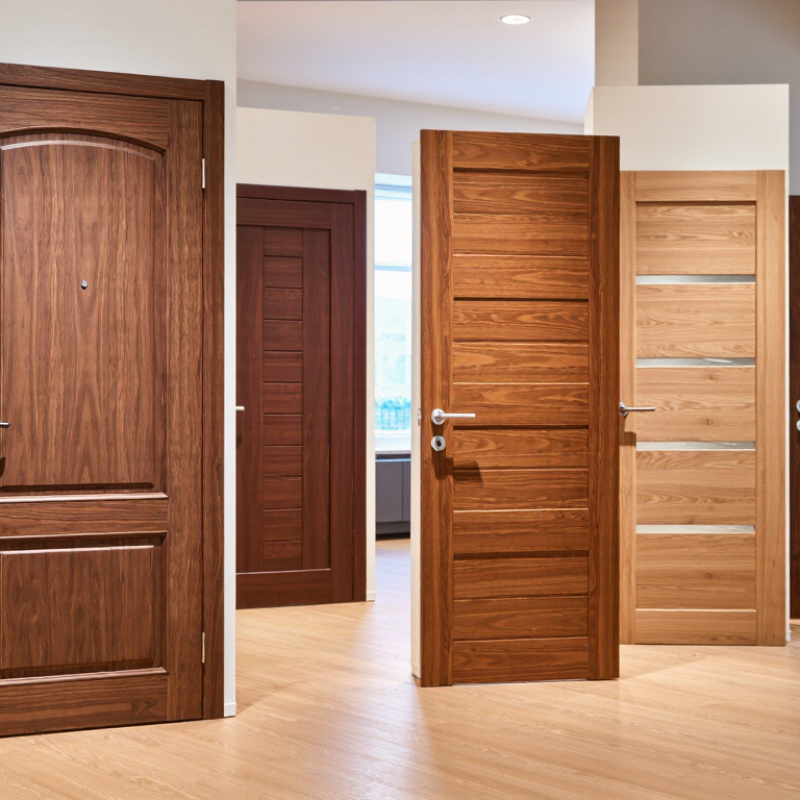
Architect Frank Lloyd Wright wrote, “The space within becomes the reality of the building.” His words are not about doors specifically, but they offer a useful design lens: a door shapes how a room feels, sounds, and connects to the spaces around it. Look closely at the details. Are the stiles and rails solid? Is the panel construction suited to seasonal movement? Does the manufacturer explain its materials and warranty clearly? Those questions matter more than a dramatic showroom display. And, honestly, there is no single best door for every home. A heavy oak door may suit a busy entry, while a lighter species can work better in a quiet interior. This guide compares leading solid wood doors by durability, craftsmanship, style, and value, while noting where claims deserve a closer look. A small caveat: even excellent materials can disappoint when the fit or finish is poor.

What Are the Best Solid Wood Doors in 2026?

What Defines a Solid Wood Door in 2026?

In 2026, a solid wood door is made primarily from natural wood, rather than a hollow cavity or a composite core covered with veneer. It does not have to come from one enormous piece of timber. Most doors use joined boards or laminated wood members to create a stable panel. That distinction matters.

Look at how the door is built, not just its weight or finish. A solid-wood door may have rails, stiles, and panels joined together, with visible grain and natural variation. Small differences in color are normal. They are not automatically flaws. A “solid-core” door, by contrast, can contain a dense composite core beneath a wood veneer, so the terms are not interchangeable.

Ask for the construction details and the wood species. Check the top or side edge, where layers or core materials may be visible, and confirm whether the door is intended for interior or exterior use. Moisture and temperature changes can make wood expand or contract, so fit and finish matter. I still find product labels confusing; specifications are more useful than a broad claim. Even a well-made door needs suitable installation and care.

How Are Solid Wood Doors Made and Classified?

Solid wood doors are assembled from natural timber, not merely covered with a wood veneer. Many use stiles and rails joined around solid panels; plank doors use wider boards joined edge to edge. Joinery may include mortise-and-tenon joints or dowels. In paneled designs, floating panels can move slightly within their frames as humidity changes. A close look at the edges helps reveal the construction.

Classification depends on more than appearance. Buyers can compare construction type, panel layout, wood species, and grade. The USDA Forest Products Laboratory’s Wood Handbook (FPL-GTR-282, 2021) reports that wood’s equilibrium moisture content is roughly 6–8% at 70°F and 30–40% relative humidity. That matters. A door installed before it acclimates may warp or bind. The exact response varies by species, cut, and indoor conditions.

A useful inspection checks joints, panel fit, and the door’s stated material composition. Ask whether rails, stiles, and panels are solid timber, and whether any parts use engineered cores or veneers. Those details can be easy to miss. Solid wood is not automatically the best choice for every room; a heavy door may need suitable hinges and a stable frame. Even careful specifications cannot remove every seasonal movement.

What Are the Best Solid Wood Doors in 2026? - How Are Solid Wood Doors Made and Classified?

Section Type or Stage Materials or Construction Key Characteristics Typical Applications
Door classifications Stile-and-rail door Vertical stiles and horizontal rails joined around solid wood panels, glass, or other inserts. Panel-and-frame construction accommodates natural wood movement; panel profiles and layouts vary. Interior rooms, entrances, and traditional or transitional designs.
Solid plank or slab door Wide boards or narrower boards edge-joined into a solid panel; some designs use cross-battens or a frame. Shows a broad wood surface and often a pronounced grain pattern. Board movement and joint design matter. Interior rooms, rustic-style spaces, and selected exterior applications when properly designed and protected.
Solid-core door (comparison) Typically has a composite or mineral core beneath wood veneer or another surface; it is not necessarily solid wood throughout. Can provide substantial weight and sound reduction, but its core differs from a solid-wood construction. Interior locations where a solid feel or sound control is desired; check the product construction before purchase.
Interior solid wood door Solid lumber components, commonly assembled as a panel door or joined-board slab. Available in many wood species and designs. Indoor humidity changes can cause wood to expand or shrink. Bedrooms, studies, and other interior openings.
Exterior solid wood door Carefully selected and assembled solid wood, with suitable weather seals and a protective finish. Exposure, detailing, finish maintenance, and installation strongly affect durability and stability. Entryways protected by appropriate design and maintained according to the finish requirements.
Common wood choices Oak Hardwood with prominent grain; red oak and white oak are distinct species groups. Strong, durable, and visually textured; weight and color vary by species and cut. Interior doors and suitable exterior designs with appropriate construction and finishing.
Maple Hard, generally fine-textured hardwood. Often has a relatively subtle grain; its hardness can make machining and finishing more demanding. Interior doors with a clean, understated appearance.
Cherry Hardwood known for a fine, often smooth grain. Typically darkens with light exposure over time; color and figure vary naturally. Interior doors in spaces where a warm, changing wood tone is desired.
Mahogany-type woods A trade description that can refer to different species, depending on origin and supplier. Appearance, properties, and sourcing vary; verify the botanical species and responsible sourcing details. Decorative interior doors and selected exterior doors designed for their specific wood species.
How solid wood doors are made 1. Select and prepare lumber Lumber is chosen for the intended components, appearance, and service conditions. Defects, grain direction, and moisture content are assessed before machining. Helps reduce avoidable defects and supports consistent assembly.
2. Dry and condition the wood Lumber is kiln-dried or otherwise dried, then conditioned for the intended environment. Wood moisture changes with surrounding humidity; suitable conditioning reduces, but does not eliminate, later movement. Important for both interior and exterior door components.
3. Machine the components Stiles, rails, panels, or boards are cut, planed, and shaped to the door design. Accurate dimensions and compatible joinery help components fit and move as intended. Prepares the parts for panel-and-frame or joined-board construction.
4. Join the door Components are assembled with suitable joints and, where specified, adhesives or mechanical fasteners. Stile-and-rail designs typically allow panels to float within grooves rather than being rigidly fixed on every edge. Creates the door’s structure and helps accommodate natural wood movement.
5. Sand and finish Surfaces are sanded and finished with a coating selected for the wood and intended exposure. Exterior doors need a finish system appropriate to weather exposure; coatings require inspection and maintenance. Improves appearance and helps limit moisture exchange and surface wear.
6. Fit hardware and install Hinges, locks, and other hardware are fitted; the door is installed with suitable clearances and seals. Correct alignment and installation are necessary for smooth operation and reliable closure. Completes the door assembly for its intended opening.
Choosing a suitable door For a traditional appearance Consider a stile-and-rail design with wood panels. Panel layout, wood species, and finish determine much of the visual character. Interior rooms or compatible entry designs.
For a strong grain pattern Consider a species and cut with visible grain, such as many oak options. Natural color and grain vary from board to board, even within the same species. Spaces where the wood surface is a prominent design feature.
For a quieter interior Compare the door’s mass, fit, perimeter seals, and tested acoustic performance. Sound reduction depends on the complete door assembly and installation, not wood type alone. Bedrooms, offices, and other spaces where sound control matters.
For an exterior entrance Choose construction intended for exterior exposure and use compatible weather protection. Overhangs, drainage, sealing, installation, and finish upkeep influence long-term performance. Entryways suited to the local climate and the product’s care requirements.

Selection note: There is no single best solid wood door for every project. Compare the actual wood species, construction, dimensions, finish, exposure conditions, and maintenance requirements. “Solid core” describes a core construction and does not by itself mean that a door is made entirely from solid wood.

Which Wood Species and Door Styles Suit Different Needs?

Choose wood by daily use, room conditions, and the look you want. The USDA Forest Products Laboratory’s Wood Handbook (FPL-GTR-282, 2021) reports average specific gravity at 12% moisture content: white oak, 0.68; hard maple, 0.63; and black cherry, 0.50. These figures help compare density, but density alone does not determine door quality. Oak suits busy entries and shows a pronounced grain. Maple offers a harder, quieter-looking surface for clean interiors. Cherry brings a warmer tone that deepens with light. Looks matter. Check the joinery and finish, too.

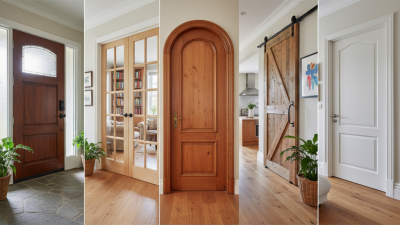
Style changes both appearance and upkeep. Shaker doors have simple recessed panels, so dust is easy to wipe from their edges. Raised-panel designs suit traditional rooms, though their profiles collect more dust. Flush doors create a calm, modern face; visible grain keeps them from feeling blank. For a solid-wood door, stile-and-rail construction allows panels to move as humidity changes. A tight fit in a dry showroom may not stay tight at home. It happens. Ask how the door is assembled, and allow for seasonal movement during installation. For bathrooms or unconditioned spaces, compare the manufacturer’s moisture guidance with the room’s real conditions before choosing a species or style.

How Do Quality, Durability, and Cost Compare?

The best solid wood door is not simply the heaviest one. Look for straight-grained, properly dried stock, tight joints, and a stable panel that suits your climate. The USDA Forest Products Laboratory’s Wood Handbook reports average hardwood shrinkage of roughly 5% radially and 9% tangentially from green to oven-dry. That is an extreme drying range, not normal indoor movement, but it explains why moisture control and installation matter. A door fitted tightly in a dry showroom may swell during a humid summer. Small gaps are not always defects.

Durability depends on exposure and maintenance as much as species. An overhang, sealed edges, and prompt finish repairs help limit water entry; inspect the bottom edge, where damage can hide. For cost context, Remodeling’s 2024 Cost vs. Value report estimated a U.S. steel entry-door replacement at $2,355, with $4,430 in modeled resale value. That is not a solid-wood price comparison, and resale estimates are not guarantees. Solid wood usually carries a higher upfront cost than steel, while custom sizing, glazing, and finish can widen the gap. Ask for a written quote that separates the slab, frame, hardware, finish, and installation. It helps reveal what you are paying for.

What Should Buyers Know About Installation and Maintenance?

Installation and care can determine whether a solid wood door feels substantial or becomes a seasonal nuisance. Wood moves as moisture changes. The USDA Forest Products Laboratory’s Wood Handbook (FPL-GTR-282, 2021) reports that wood in buildings commonly ranges from about 6% to 14% moisture content, depending on conditions. Let the door adjust to the room before fitting, following its supplier’s instructions. Check that the jamb is plumb and square, and keep the gap around the door even. A tight corner today may rub after a humid spell.

For exterior doors, use suitable flashing and weatherstripping to help keep water out. Seal exposed surfaces, including edges, as directed for the finish. Small details matter. Inspect hinges, seals, and the finish at least once a year; pay close attention to the lower edge, where rainwater can linger. Clean with a soft, slightly damp cloth, not a soaking wet one. Keep indoor humidity reasonably stable when possible. Still, no checklist predicts every home’s seasonal movement, so adjust hinges or seals only after checking where the door actually binds.