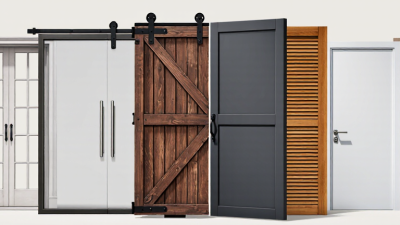
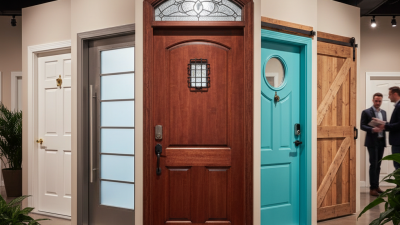
Choosing among China’s door manufacturers takes more than comparing glossy catalogs. A polished showroom sample can look convincing, yet daily use reveals much more. Check the frame, finish, hinges, seals, and hardware. Ask how specifications are documented and whether samples match production units. These details matter for homes, hotels, offices, and large projects.
Quality expert Joseph M. Juran described quality as “fitness for use.” That standard applies well to doors: a product should suit its setting, operate reliably, and meet the buyer’s stated requirements. This guide introduces ten Chinese manufacturers and considers their product ranges, manufacturing capabilities, certifications, customization options, and export experience. Those factors can help readers build a shortlist, but they do not replace checking current documentation, samples, and references. Details change.
A fair comparison also needs caution. Public information may be incomplete, and “top” can mean different things to different buyers. One supplier may excel at design flexibility; another may offer stronger project support or a broader range of quality doors. A low quotation is not proof of value, and a long product list is not proof of consistent production. Before committing, ask precise questions and verify the answers. Small checks matter. The manufacturers below offer a starting point for that work, not a guarantee that any one supplier fits every project.
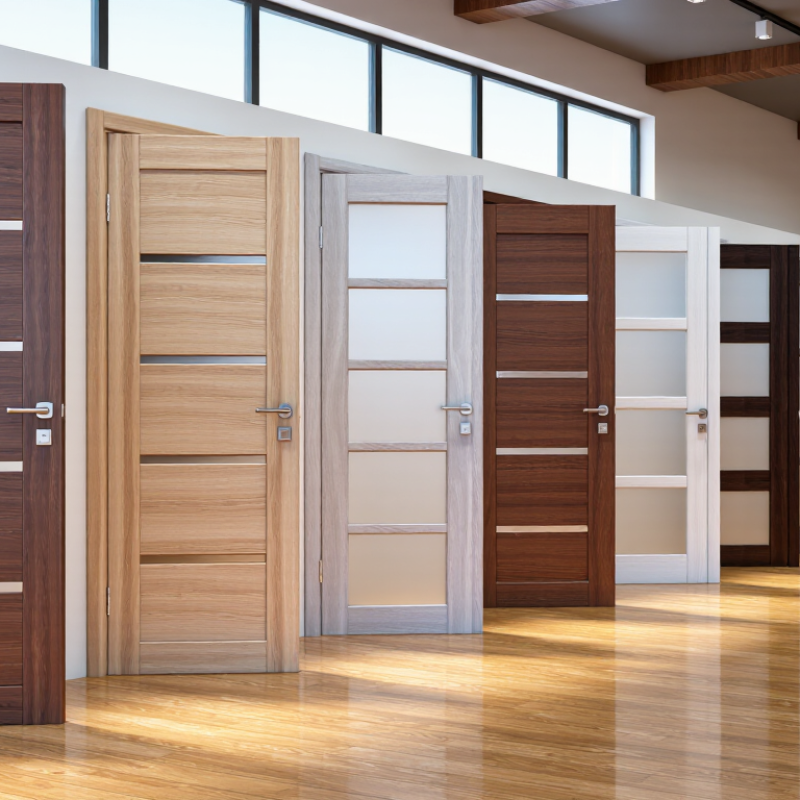
China’s door manufacturing industry serves residential, commercial, and renovation markets with a broad mix of materials. Factories produce engineered wood, solid wood, steel, and aluminum doors, often alongside frames, locks, and finishing options. Production is concentrated in several industrial regions, where access to component suppliers and transport networks supports efficient manufacturing. The supply chain is practical, but not always simple.
A quality-focused manufacturer should show consistent control over materials, dimensions, surface finishing, and assembly. Buyers can request product specifications, test reports, and samples that match the intended order. Check how a door closes, how evenly its finish meets the edges, and whether hardware fits without forcing. Small details matter. A polished sample alone cannot prove that every production batch will be identical, so clear inspection procedures and written tolerances are useful.
The industry also faces changing expectations around energy efficiency, sound reduction, durability, and custom sizing. These needs vary by climate and building type; a door suited to a dry interior may perform poorly in a humid entrance. Export buyers should clarify packaging, lead times, customization limits, and after-sales support before comparing quotations. That comparison is imperfect: lower prices may reflect different materials or service levels, not simply better efficiency. A factory’s responsiveness to technical questions can reveal as much as its showroom.
A standards-based snapshot of China’s door manufacturing industry
China’s GB 12955-2008 standard specifies fire-resistance ratings for fire doors. The chart compares the rated durations associated with Classes A, B, and C; it does not rank manufacturers or represent company-specific performance.
A reliable door manufacturer should be judged by more than polished catalog photos. Ask for clear specifications covering the frame, core, surface finish, hardware, and moisture resistance. Compare these details against the building’s intended use. A heavy entrance door and a lightweight interior door need different performance checks. Request a sample or inspect a completed unit, paying attention to edge sealing, hinge alignment, and smooth operation. Small defects can reveal uneven production control.
Factory visits, when practical, can show how materials are stored and how finished doors are checked. If a visit is not possible, request recent production photos, inspection records, and a live video walkthrough. Also clarify customization limits, minimum order quantities, replacement-part availability, and communication arrangements. These questions help compare suppliers on evidence rather than promises. No checklist is perfect; samples may not represent every production run, so agree on acceptance criteria before ordering.
The phrase “Top 10 Quality Door Manufacturers in China” is best treated as a starting point for comparison, not a promise that every supplier fits every project. China’s door industry includes manufacturers specializing in timber, steel, aluminum, and engineered interior doors. A capable manufacturer should explain its main product lines, material options, production capacity, and quality checks clearly. Ask for finish samples, hardware specifications, dimensional tolerances, and relevant test records. Details matter. A door that looks flawless under showroom lights may show uneven edges or color differences in natural daylight.
When comparing a shortlist, check how each factory handles custom sizes, packaging, lead times, and replacement parts. Request recent project references and confirm that the supplied specifications match the quotation. If possible, inspect a sample or arrange an independent factory visit before placing a large order. Price alone can hide compromises in core materials or surface finishing. Even careful buyers can overlook small details, such as hinge placement or the feel of a closing latch. I would not rank manufacturers by catalog appearance alone; practical performance depends on the project’s climate, installation quality, and daily use.
China’s leading door manufacturers typically specialize in distinct product groups rather than making every door equally well. Interior-door producers often offer engineered wood, solid wood, and molded-panel designs, with options for veneer, paint, and moisture-resistant cores. Look closely at edge sealing and frame construction; these details affect durability in humid rooms. Small details matter.
Security-door makers focus on reinforced panels, multi-point locking systems, and heavier frames. Fire-rated producers, meanwhile, build doors as tested assemblies, where the leaf, frame, seals, and hardware must work together. Buyers should check the test scope and installation requirements, not just a fire-resistance figure in a brochure. Specifications can be easy to misread.
Energy performance is another useful point of comparison. The 2023 Global Status Report for Buildings and Construction, published by GlobalABC and UNEP, says buildings accounted for 34% of global energy demand in 2022. That figure covers the whole building sector, not doors alone, but it shows why insulated entry doors and tight seals matter. Large manufacturers may also specialize in custom sizing, acoustic cores, or high-volume project supply. A catalog cannot prove real-world fit. Compare sample finishes, hardware options, and documented test results, then confirm how the factory handles non-standard openings.
Choosing a door manufacturer starts with the project’s actual conditions, not a catalogue photo. Record each opening’s size, wall depth, exposure to rain, and expected daily use. Small details matter. Ask for test reports that match the proposed door’s material, dimensions, glazing, and hardware; a report for a different product may not prove much. The 2024 Global Status Report for Buildings and Construction, published by GlobalABC and UNEP, estimates that buildings and construction account for 32% of global energy use and 34% of energy-related carbon emissions. These are sector-wide figures, not door-specific savings. Still, they make thermal performance and air leakage worth checking.
Compare manufacturers using measurable criteria: air leakage, water resistance, wind-load performance, thermal transmittance, and acoustic ratings where relevant. Confirm the test method, laboratory, date, and product configuration. A number without its test conditions is hard to compare. Request a production sample and inspect the frame corners, seals, drainage paths, and lock alignment. A polished sample can still hide a weak hinge; that is an awkward but useful reminder.
Ask how the factory controls material batches, tolerances, and final inspection. Request a written schedule covering drawings, sample approval, production, packing, and delivery, plus clear warranty terms. Check whether export packaging protects corners and glass during long transport. I may be overcautious, but I would verify one finished unit before approving a large order. Keep communication practical: send marked-up drawings, agree on measurable acceptance points, and save the approved specifications for later checks.
A practical 10-point supplier evaluation guide, not a verified ranking of individual companies.
| No. | Evaluation Dimension | What to Check | Useful Evidence | Why It Matters |
|---|---|---|---|---|
| 1 | Product Specialization | Confirm experience with the required door type, such as entry, interior, fire-rated, steel, timber, aluminum, or uPVC doors. | Relevant product catalogue, completed-project references, and production samples. | Manufacturing processes and performance requirements differ by material and application. |
| 2 | Applicable Standards | Identify the codes and standards required at the project destination, then confirm the offered product is tested or certified for them. | Current test reports or certificates showing product scope, test method, and issuing organization. | Requirements vary by country, building use, and door application; a general claim of compliance is not enough. |
| 3 | Fire-Door Performance | For fire doors, check the required rating and confirm that the complete tested assembly matches the proposed door, frame, hardware, and installation details. | A valid fire-test or certification document that identifies the tested configuration and permitted variations. | Changing components or installation conditions can affect the performance of a tested assembly. |
| 4 | Acoustic and Thermal Performance | Compare sound-reduction and thermal-performance requirements with the intended room, climate, and building design. | Test reports for the specified door configuration, including glazing and seals where applicable. | Performance depends on the whole door assembly, not just the panel material. |
| 5 | Weather and Air-Tightness | For exterior doors, assess resistance to air leakage, water penetration, and wind pressure against the project specification. | Performance reports for the relevant size, frame, glazing, seals, and opening configuration. | Site exposure and installation quality influence real-world weather performance. |
| 6 | Materials and Hardware | Specify material grades, panel and frame construction, finish, seals, hinges, locks, and other hardware before comparing quotations. | Written specifications, component schedules, finish samples, and approved substitutions. | Clear component specifications make offers easier to compare and reduce the risk of unapproved changes. |
| 7 | Quality-Control Process | Ask how incoming materials, in-process dimensions, finishes, assembly, and final products are inspected. | Inspection records, defect-handling procedures, and an agreed pre-shipment inspection plan. | Documented checks help identify manufacturing issues before products leave the factory. |
| 8 | Customization and Technical Support | Confirm the supplier can work from project drawings and provide suitable shop drawings, opening details, and hardware coordination. | A sample technical submittal, drawing-revision process, and written confirmation of project-specific options. | Accurate coordination can reduce fit, clearance, and installation problems on site. |
| 9 | Capacity and Delivery Planning | Check whether the proposed production schedule, order quantity, packaging, and shipping plan fit the project timeline. | A project-specific production schedule, milestone plan, and export-packing details. | A realistic schedule should account for approvals, production, inspection, transport, and site sequencing. |
| 10 | Warranty and After-Sales Support | Review warranty scope, exclusions, spare-parts availability, response process, and responsibility for installation-related issues. | Written warranty terms, service contact details, and a clear claims procedure. | Documented support arrangements clarify how defects and maintenance needs will be handled. |