How to Choose Quality Doors for Your Home or Business?
Choosing quality doors for your home or business is crucial. The right doors influence security, aesthetics, and energy efficiency. High-quality doors provide assurance and longevity. Yet, the selection process can be overwhelming.
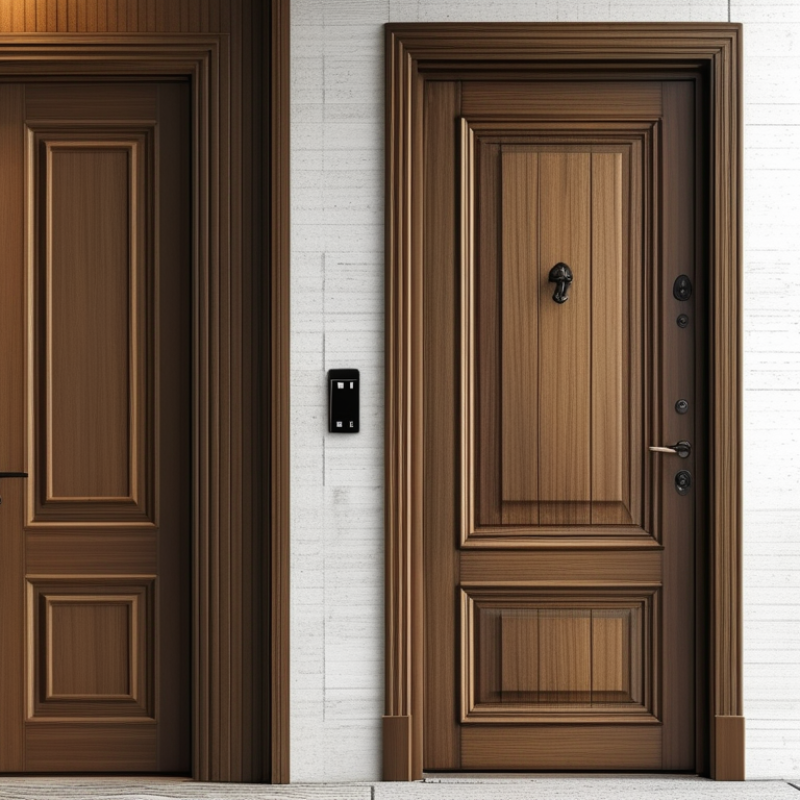
Consider factors such as material, style, and function. A solid wooden door often speaks of elegance. On the other hand, fiberglass doors offer durability and low maintenance. Think about how these choices reflect your values.
Don’t overlook budget constraints. Quality doors can be an investment, but some options may compromise on features or craftsmanship. Reflecting on your needs is essential for making the best decision. Quality doors should enhance your space while ensuring safety and comfort.
Understanding the Different Types of Doors Available for Your Needs
When selecting doors for your home or business, knowing the types available is crucial. Doors come in various materials, styles, and designs. Each category serves different purposes. For instance, wooden doors offer aesthetic appeal and warmth but may require more maintenance. Metal doors are durable and secure, making them ideal for commercial spaces.
Consider the environment where the door will be installed. A door exposed to harsh weather needs to be robust. On the other hand, interior doors have more design freedom. They can enhance your décor.
Tips: Look for doors that come with warranties. This reflects the manufacturer's confidence in their product. Check for energy efficiency ratings as well. This can impact your utility bills in the long run. Choosing the right finish can also affect durability and maintenance.
Evaluate the functionality of each door type. Sliding doors save space but may lack privacy. Folding doors are great for open layouts but can be tricky to install. Always measure your space accurately before making a choice. An ill-fitting door can lead to issues and additional costs.
Evaluating Materials: Wood, Steel, Fiberglass, and More
When choosing doors for your home or business, the material matters significantly. Each type has its own qualities that can impact durability, aesthetics, and insulation. Wooden doors offer warmth and elegance, often enhancing a rustic or classic ambiance. However, they require proper maintenance to avoid warping and rotting. This can be a burden for busy homeowners or businesses.
On the other hand, steel doors are known for their security and strength. These are reliable options for those prioritizing safety. Yet, they can lack the visual appeal of wood. Additionally, they may rust if not properly coated. Fiberglass doors provide a balance. They mimic wood's appearance while being resistant to dents and weathering. Yet, some may find them less authentic and aesthetically pleasing than solid wood.
Consider also the environmental impact of your choice. Sourcing sustainably can feel overwhelming; knowing where materials come from is essential. Reflect on your climate and the door's function. A door exposed to harsh weather requires different considerations than one for a controlled environment. Each material holds its pros and cons. Making an informed choice is vital.
Comparison of Door Materials
Assessing Door Styles: Aesthetic Choices for Home and Business
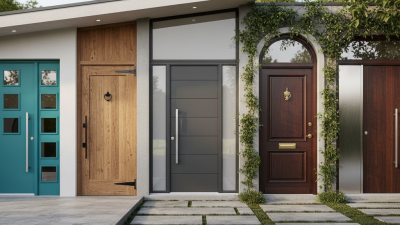
Choosing the right door style can significantly impact the aesthetic of a home or business. A study by the National Association of Home Builders found that doors contribute to 9% of a property’s perceived value. Therefore, selecting the appropriate style is paramount. Options range from traditional wooden doors to sleek glass designs. Each style conveys different messages.
Modern homes often favor minimalist designs. This aligns with a larger trend where 67% of people seek clean lines and simplicity. On the other hand, businesses may opt for more robust designs, prioritizing security alongside aesthetics. Incorporating decorative elements can enhance visual appeal. For instance, doors with intricate carvings can add a sophisticated touch. However, personal taste must also guide choices. Sometimes, the most stylish option may not offer practicality in daily use.
Aesthetic choices can reveal much about your space. Open-concept designs benefit from transparent doors, which promote flow. Conversely, closed-door areas offer privacy. However, they can feel isolating. Balancing functionality with beauty is an ongoing challenge. Opting for a door that harmonizes with the surrounding architecture is essential. It impacts first impressions and overall ambiance. Reflecting on these aspects will help ensure the door you choose complements both style and function.
Considering Security Features and Safety Ratings in Door Selection
When selecting doors for your home or business, security features and safety ratings are crucial. A door is often the first line of defense against unauthorized entry. According to a report from the National Security Association, over 30% of burglaries occur through the front door. This statistic underscores the need to prioritize strong security measures.
Consider doors made from solid materials like steel or solid wood. These provide better resistance to forced entry. Look for doors that come with multi-point locking systems. These locks secure the door at multiple points, making it harder for intruders to maneuver. Additionally, check for safety ratings. The American National Standards Institute (ANSI) states that doors should meet specific standards to ensure they can withstand impact. Aim for doors with a Grade 1 rating for optimal safety.
**Tip:** Always verify the door's durability. Ask for certifications related to security and safety ratings.
Another essential aspect is to assess the door's frame and hinges. Weak frames can compromise the door's strength. Reinforced frames have been shown to withstand more force than standard ones. Furthermore, quality hinges prevent tampering.
**Tip:** Inspect hinges to ensure they are secure and made from sturdy materials.
Choosing the right door goes beyond aesthetics. The implications for security can be significant. Reflecting on past choices may reveal areas for improvement in your decision-making process.
Budgeting for Quality Doors: Cost vs. Value Analysis
When it comes to selecting quality doors for your home or business, budgeting is a crucial factor. The cost of doors varies significantly based on materials and design. A solid wood door may provide excellent aesthetics, but it often comes with a higher price tag. Conversely, steel doors offer durability at a more accessible price, though they may lack the visual appeal of wood. It’s essential to weigh these factors against your needs.
Consider the long-term value of the door as well. A more expensive door can enhance energy efficiency, ultimately saving you money on utility bills. Evaluate the door’s lifespan and maintenance needs as part of your investment. Sometimes, lower-priced options require frequent repairs or replacements, leading to hidden costs. Reflect on your spending choices. Are you prioritizing the upfront cost over potential long-term savings? A thoughtful approach to quality doors can make a significant difference in both functionality and aesthetics.
How to Choose Quality Doors for Your Home or Business? - Budgeting for Quality Doors: Cost vs. Value Analysis
| Door Type |
Material |
Average Cost ($) |
Durability (Years) |
Maintenance Level |
Energy Efficiency Rating |
| Solid Wood Door |
Wood |
800 |
30 |
Medium |
B |
| Fiberglass Door |
Fiberglass |
600 |
25 |
Low |
A |
| Steel Door |
Steel |
500 |
20 |
Medium |
B |
| Hollow Core Door |
Hollow Core |
200 |
10 |
High |
C |
| Sliding Glass Door |
Glass |
1000 |
15 |
Medium |
A+ |