How to Choose Premium Doors in 2026?

Choosing premium doors in 2026 means looking beyond a polished finish. The right door should suit the home, handle daily use, and perform well in its climate. Design matters. So does sound. A heavy, attractive slab can still disappoint if it binds, leaks air, or comes with weak hardware. As designer Charles Eames put it, “The details are not the details. They make the design.” That idea is especially useful when comparing premium doors: hinges, seals, cores, and installation can shape the experience as much as the visible surface.

This guide will help you assess materials, construction, security features, energy performance, and maintenance before you buy. Compare solid wood, engineered wood, steel, and fiberglass by their real-world strengths—not by labels alone. Check how the frame is built, whether weatherstripping closes evenly, and how the door sounds when it shuts. A quiet, firm close is a small detail. It tells you something. For connected homes, consider smart-lock compatibility, but weigh convenience against battery life and service support. Ask what the warranty covers, who installs the door, and how the finish responds to sunlight, rain, or fingerprints. No single model suits every home. And a premium price is not proof of premium performance. Use the sections ahead to compare evidence, spot trade-offs, and choose a door that looks right today and works reliably for years.
How to Choose Premium Doors in 2026?

Define Your Needs, Door Location, and Performance Priorities

Before comparing premium doors, write down who uses each room and what the door must do. A busy kitchen entrance may need a durable, easy-to-clean surface, while a bedroom door may need quieter closure. Consider mobility, pets, children, and whether the door must provide privacy or frequent access. Start with daily use.

Location changes priorities. An exterior entry faces rain, sunlight, temperature shifts, and security demands; check that its materials and finish suit local exposure. For interior openings, note nearby plumbing, cooking steam, or direct sunlight, which can affect maintenance over time. Measure the opening, wall thickness, swing direction, and clearance around furniture before choosing a style. Measure twice. An awkward swing can make even a beautiful door frustrating.

Rank performance priorities rather than treating every feature as essential. For sound control, ask for tested ratings and consider the frame, seals, and installation too. If energy efficiency matters, compare complete door-system specifications, including glazing and weather seals, rather than relying on appearance. Request written care instructions and warranty terms, and confirm who handles fitting; installation quality can affect alignment and operation. A useful reality check: a door that feels solid in a showroom may still perform poorly if fitted out of square.
Compare Premium Door Materials and Construction Quality

How to Choose Premium Doors in 2026?
Compare Premium Door Materials and Construction Quality

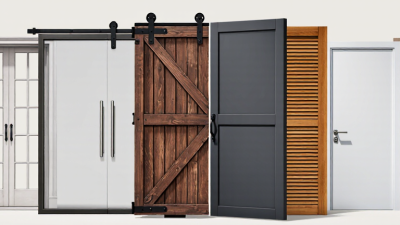
A premium door starts with the right material for its location. Fiberglass resists moisture and needs little upkeep, while steel offers strength but can dent. Solid wood brings warmth and can be refinished, yet seasonal humidity may cause movement. Look closely. Check the bottom edge, corners, and finish; these spots often reveal uneven sealing or weak assembly. A heavy door alone proves little.

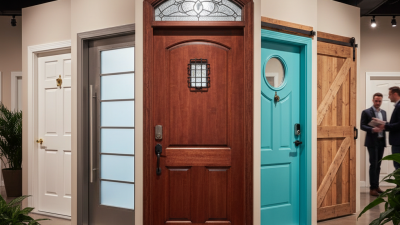
Construction matters as much as the slab. Look for a rigid core, tight joints, continuous weatherstripping, and a threshold that seals evenly when the door closes. At a showroom, operate the lock and inspect how the hinges sit. A slight rub may seem minor, but repeated contact can wear the finish and affect the latch. Ask for test ratings for the complete door unit, not just the material.

Use comparable performance data. The North American Fenestration Standard (NAFS) provides tested performance grades for exterior doors, including resistance to air leakage, water penetration, and structural loads. Check that the rating fits your exposure and climate. The U.S. Department of Energy estimates that heat gain and loss through windows account for 25–30% of residential heating and cooling energy use; that figure is not door-specific, but it shows why the whole building envelope deserves attention. Installation still matters. Even a well-rated door can leak if its frame is out of square or the perimeter seal is incomplete.

Check Security, Insulation, Durability, and Maintenance

How to Choose Premium Doors in 2026?

A premium door should protect the opening, not just look substantial. Check that its lock, hinges, frame, and strike plate work as one system. A strong lock cannot compensate for a weak frame. Ask for documented security testing, and confirm the door suits your entryway and installation conditions. Check the edges. Gaps around the frame can weaken both security and comfort.

Insulation depends on the whole assembly, including seals, glazing, and installation. Look for published thermal ratings, then compare them for your climate rather than relying on vague claims. On a cold morning, a draft near the threshold is a useful warning. Durability also depends on exposure: sun, rain, and salt air can affect finishes differently. Ask how often the surface needs cleaning, sealing, or repainting, and whether hinges or weatherstripping are replaceable. Small details matter. It is tempting to choose by appearance alone; honestly, ratings can feel abstract until a door sticks or lets in a winter draft. Consider getting installation advice for your specific opening.

How to Choose Premium Doors in 2026? — Check Security, Insulation, Durability, and Maintenance

Door Type Security Considerations Typical Thermal Performance Durability Maintenance Best Suited For
Insulated steel Look for a reinforced frame, a sturdy lock area, quality hinges, and a multipoint locking option. Security depends on the complete door-and-frame assembly, not the skin alone. Insulated models commonly fall around 1.0–1.8 W/m²·K. Lower U-factor indicates less heat transfer; check the tested value for the complete door. Strong and resistant to everyday impact. The finish can dent or scratch, and exposed steel may rust if protective coatings are damaged. Wash periodically; inspect paint, weatherstripping, hinges, and the threshold. Repair chips promptly to protect the metal. Entryways where strength, low upkeep, and value are priorities.
Fiberglass composite Choose a well-reinforced slab with a robust frame and compatible quality deadbolt or multipoint lock. Verify the security rating of the full assembly where available. Many insulated models are approximately 1.0–1.8 W/m²·K, though construction, glazing, and size affect results. Generally resists moisture, corrosion, and routine weather exposure. Surface damage and long-term performance vary by finish and product quality. Clean with mild soap and water; inspect seals and hardware. Follow the maker’s guidance for refinishing or repainting. Homes needing a balance of insulation, weather resistance, and modest maintenance.
Solid wood Security can be improved with a reinforced frame, secure hinges, and a quality deadbolt. A wood slab’s strength varies with species, thickness, joinery, and construction. Often around 1.5–2.5 W/m²·K for a solid door; exact performance varies substantially with thickness, design, and glazing. Can last for many years when protected from persistent moisture and severe exposure. Wood may swell, shrink, or warp as humidity changes. Inspect the finish regularly and reseal or repaint when needed. Check alignment, weatherstripping, and signs of moisture damage. Entrances where natural appearance and repairable materials are valued.
Thermally broken aluminum Assess frame strength, lock reinforcement, hinge attachment, and the complete assembly’s tested security performance. Aluminum alone does not determine resistance to forced entry. Often approximately 1.4–2.5 W/m²·K for thermally broken systems; glazing and frame design can change the whole-door result. Resists corrosion better than untreated steel and is dimensionally stable. Coatings may be scratched, and hardware can wear with frequent use. Clean the frame and glass; inspect drainage paths, seals, finish, and moving hardware. Lubricate components as recommended. Modern designs, large glazed openings, and areas where a slim frame is desired.

Performance figures are indicative ranges, not guarantees or universal ratings. Compare independently tested whole-door U-factors and security certifications where applicable; installation quality, glazing, frame, locks, and weather seals all affect real-world performance.

Match Door Design, Finish, Hardware, and 2026 Standards

Choosing a premium door in 2026 means balancing appearance with the way a space is actually used. A slim-glazed door can brighten a dim hallway, while a solid-core option may better limit sound between bedrooms. Check proportions against nearby trim and furniture; a wide panel can overwhelm a narrow entry. Small details matter.

Finish should suit both the room and its exposure. Matte paint hides minor marks better than glossy surfaces, while natural wood grain brings warmth but needs care near moisture and strong sunlight. Perfectly matching every wood tone can make a room feel oddly flat. A little contrast often works better. Test a finish sample beside the floor in morning and evening light before ordering.

Hardware should feel comfortable in the hand and operate smoothly with the door’s weight. Try the lever, hinge action, and latch; a beautiful handle is frustrating if it catches a sleeve. Check current local requirements for fire-rated openings, accessible clearances, glazing, and exterior energy performance, since rules differ by location and door type. Confirm the selected assembly—not just the slab—meets applicable specifications. One detail is easy to miss: hinge finish, strike plate, and handle finish may age differently, even when sold as a matching set.

How to Choose Premium Doors in 2026? Match Door Design, Finish, Hardware, and 2026 Standards

Use these ADA dimensions as a practical accessibility check when selecting a door and its hardware: provide at least 32 inches of clear opening, and position operable hardware 34–48 inches above the finished floor. Requirements shown are from the 2010 ADA Standards for Accessible Design, Sections 404.2.3 and 404.2.7; verify applicable local codes and project requirements.

Evaluate Suppliers, Warranties, Installation, and Total Cost

How to Choose Premium Doors in 2026?

Evaluate Suppliers, Warranties, Installation, and Total Cost

A premium door should suit its location, not just look impressive in a showroom. Ask suppliers for written specifications covering materials, finish, insulation, hardware, and expected maintenance. Check whether samples match the finished product; colors can look different in daylight. Request references for projects with similar weather and use.

Get the warranty in writing. Compare coverage periods for the door, finish, glass, and hardware, and note exclusions such as moisture damage or improper care. Ask who handles a claim and whether labor is included. The fine print matters. A long warranty may offer less protection than it appears to.

Installation can affect performance as much as the door itself. Confirm who measures the opening, prepares the frame, seals gaps, and adjusts the hinges and latch. Request an itemized quote that includes delivery, removal of the old door, installation, finishing, and likely repairs to the surrounding frame. A low initial price can grow quickly. It is tempting to focus on the door’s appearance, but comparing the full cost and responsibilities often reveals the better choice. Allow time for questions; rushing this decision is an easy mistake.