10 Best Wood Door Design Ideas for Modern Homes?

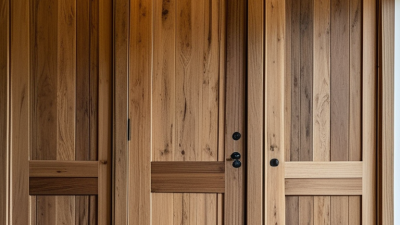
A well-chosen wood door design can change how a modern home feels before anyone enters. It introduces warmth, texture, and a clear connection with natural materials. Clean lines may suit minimalist architecture, while visible grain can soften concrete walls and glass surfaces. The right door should look beautiful, but appearance is only part of the decision.

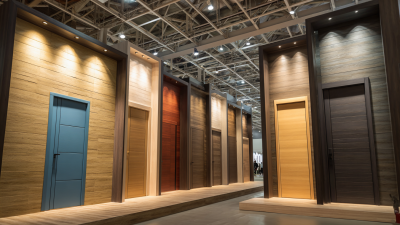
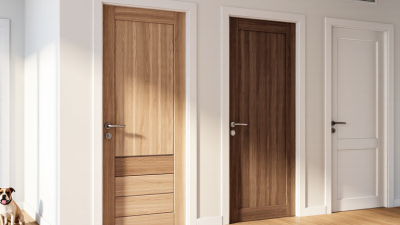
This guide explores ten wood door design ideas for contemporary homes. Each option considers proportion, grain direction, hardware, privacy, and daily performance. A wide pivot door can create a dramatic entrance, yet it needs accurate structural planning. A slatted timber door can improve airflow and visual privacy, though dust may collect between the battens. Flush panels offer a calm, refined surface and work well with simple façades. Natural oak, walnut, teak, and engineered wood each bring different tones and maintenance needs.

Details matter. A recessed handle feels elegant under the hand. A shaded porch can protect timber from harsh sunlight and rain. Proper sealing helps reduce swelling, fading, and moisture damage, but no finish lasts forever. That is worth remembering. Even a premium door can age poorly when installation is rushed or ventilation is ignored. Experienced designers usually assess the local climate, wall structure, security requirements, and cleaning habits before recommending materials. These practical checks make the ideas more reliable, not merely attractive in photographs. Some designs may look perfect online, yet feel heavy, cold, or inconvenient at home. Careful observation remains essential.
10 Best Wood Door Design Ideas for Modern Homes?

Types of Wood Doors for Modern Home Architecture

10 Best Wood Door Design Ideas for Modern Homes?

Modern homes need wood doors that balance warmth, clean lines, and practical performance. A flush wood door suits minimalist walls, while a pivot door creates a dramatic entrance. Slatted doors filter light and air without losing privacy. Glass-panel wood doors connect indoor rooms with gardens or courtyards. Solid-core construction also improves stability and reduces sound transfer.

A louvered door can ventilate laundry areas, although it may feel less private. Flat-panel doors offer quiet simplicity, while raised-panel doors add controlled texture to otherwise severe interiors. Double wood doors work well in wide entryways and can frame a strong architectural view. Pocket doors save floor space in compact plans. Arched wood doors soften angular structures, but their custom shape usually demands careful measuring.

Engineered timber often resists warping better than ordinary solid boards, especially in changing climates. Reclaimed wood can provide visible grain, knots, and a useful sense of history. I once underestimated how strongly a dark finish changed a hallway; the space felt narrower afterward. That choice needed more reflection. Check moisture levels, hinge capacity, threshold design, and finish quality before installation. Exterior doors also need weather protection on every exposed surface, not only the front face. Small gaps matter. A qualified installer should confirm the frame is square, sealed, and aligned with the wall system.

Key Design Features of Contemporary Wood Entry Doors

10 Best Wood Door Design Ideas for Modern Homes?

Contemporary wood entry doors combine warmth with disciplined geometry. Clean slab faces, oversized vertical pulls, and narrow glass panels create a calm entrance. A recessed jamb can make the doorway appear deeper. Natural oak, walnut, and ash show different grain patterns, so sample boards matter. I have found that matte finishes hide fingerprints better than high-gloss coatings. They still need regular inspection.

Performance should guide the design, not follow it. The U.S. Energy Information Administration’s Residential Energy Consumption Survey reports that heating and air conditioning use roughly half of household energy. A poorly sealed door can undermine efficient glazing and insulation. Specify a continuous weather seal, adjustable hinges, and a low-conductivity threshold. The U.S. Department of Energy also recommends checking door ratings and installation quality, since gaps often cause drafts. The National Fenestration Rating Council’s labeling system can help compare tested performance. Appearance alone is not enough.

Tips: Test the swing before ordering. Confirm wall thickness and rough-opening dimensions. Use samples beside your flooring and exterior cladding. For west-facing entrances, consider a deeper overhang or UV-resistant finish. Dark stains may absorb more heat and fade unevenly. This is easy to overlook. Also, a full-height glass panel looks striking, but it can reduce privacy and increase maintenance. A smaller vertical lite may be the more practical choice.

10 Best Wood Door Design Ideas for Modern Homes

Key design features of contemporary wood entry doors, shown through typical nominal planning dimensions in inches. Actual sizes vary by construction requirements and project specifications.

Wider formats support dramatic entrances, while taller profiles, sidelights, and transoms create a more spacious contemporary appearance.

Ten Wood Door Ideas for Different Modern Home Styles

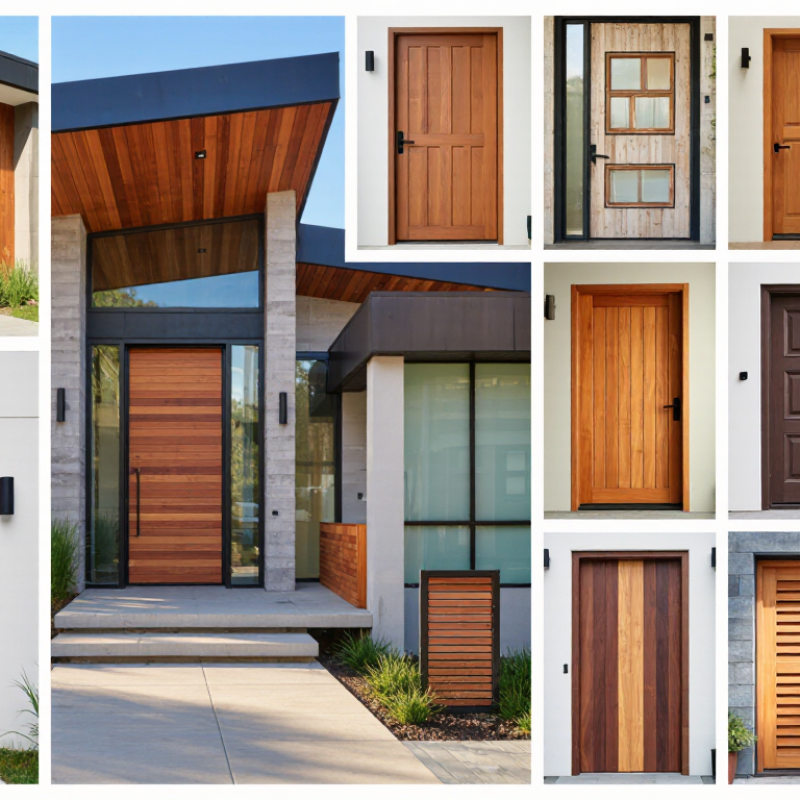
Modern homes rarely share one visual language, so the best wood door depends on the house’s character. A flat-panel door suits minimalist homes with clean walls and hidden hardware. Pale oak works beautifully in Scandinavian interiors, especially beside soft white plaster. A vertical slatted door adds Japandi warmth while filtering light near an entry hall. Dark-stained wood supports industrial spaces with concrete floors and black metal details. Mid-century homes benefit from geometric panels and a warm walnut tone. These choices look simple, but proportions matter greatly.

For a coastal modern home, try a lightly whitewashed door with visible grain. A modern farmhouse entrance can use wide planks and restrained iron hardware. Brutalist architecture often welcomes an oversized pivot door with a deep natural stain. Wood with a narrow glass inset suits warm contemporary homes, bringing daylight into darker foyers. An arched wood door can soften a Mediterranean-inspired exterior without appearing old-fashioned. I have found that texture often matters more than color. Still, a dramatic door may dominate a small facade. That is not always successful.

Tips: Check the door’s exposure to rain and direct sun before choosing a finish. Use exterior-grade timber and sealed edges, especially around the bottom rail. A sample board should be viewed in morning and evening light. Leave room for seasonal movement. Wood changes. Also, confirm the frame, swing, threshold, and locking system with a qualified installer. Even a beautiful design can feel awkward when the handle sits too high or the door opens into a narrow walkway.

10 Best Wood Door Design Ideas for Modern Homes? - Ten Wood Door Ideas for Different Modern Home Styles

No. Wood Door Design Best-Matched Modern Home Style Recommended Wood Typical Features Common Door Size Privacy & Light Maintenance Level
1 Minimalist Flush Door Contemporary, minimalist, and urban homes Oak, walnut, ash, or veneered engineered wood Flat surface, concealed hinges, slim trim, matte finish 36 × 80 in (914 × 2,032 mm) High privacy; low natural light Low to moderate
2 Vertical Slat Door Scandinavian, Japandi, and modern farmhouse homes White oak, ash, or bamboo-based panels Evenly spaced vertical battens, tactile texture, natural oil finish 36 × 80 in (914 × 2,032 mm) High privacy; light depends on slat spacing Moderate
3 Natural Edge Pivot Door Luxury contemporary and statement-entry homes Walnut, teak, oak, or engineered hardwood Wide slab, pivot hardware, continuous grain, oversized proportions 42 × 96 in (1,067 × 2,438 mm), often custom-built High privacy; optional side glazing adds light Moderate to high
4 Wood-and-Glass Panel Door Mid-century modern and light-filled contemporary homes Oak, mahogany, or Accoya-type modified wood Wood stiles and rails with insulated or laminated glass panels 36 × 80 in (914 × 2,032 mm) Medium to high light; privacy glass is available Moderate
5 Horizontal Plank Door Industrial, rustic-modern, and coastal modern homes Cedar, oak, reclaimed wood, or stable engineered panels Horizontal boards, visible grain, dark metal or concealed hardware 36 × 80 in (914 × 2,032 mm) High privacy; low natural light Moderate to high outdoors
6 Arched Wood Door Organic modern, Mediterranean modern, and soft contemporary homes Oak, walnut, mahogany, or laminated curved wood Rounded head, smooth slab, matching arched frame 36 × 84 in (914 × 2,134 mm), typically custom High privacy; transom or side panels can increase light Moderate
7 Double Wood Entry Door Large modern, transitional, and entertaining-focused homes Oak, walnut, mahogany, or engineered hardwood Two coordinated leaves, long vertical handles, symmetrical façade 60–72 × 80 in (1,524–1,829 × 2,032 mm) High privacy; optional glazing adds daylight Moderate
8 Pocket Sliding Wood Door Compact urban, minimalist, and open-plan interiors Oak veneer, ash, walnut, or laminated hardwood Door slides into the wall cavity, recessed pull, clean wall line 30–36 × 80 in (762–914 × 2,032 mm) Medium privacy; glass inserts increase light Low to moderate indoors
9 Louvered Wood Door Tropical modern, passive-ventilation, and indoor-outdoor homes Teak, cedar, mahogany, or exterior-rated hardwood Angled slats, airflow openings, weather-resistant protective coating 36 × 80 in (914 × 2,032 mm) Lower privacy; excellent ventilation and filtered light High outdoors
10 Chevron Grain Door Glamorous modern, contemporary, and high-end apartment interiors Walnut, oak, ash, or book-matched wood veneer V-shaped grain pattern, handle-free appearance, clear or tinted finish 36 × 80 in (914 × 2,032 mm) High privacy; low natural light Low to moderate

Note: Door dimensions shown are common residential sizes. Custom sizes, glazing, hardware, weather exposure, and local building requirements may change the final specification.

How to Choose Wood, Finishes, Glass, and Hardware

10 Best Wood Door Design Ideas for Modern Homes?

How to Choose Wood, Finishes, Glass, and Hardware

A modern wood door should suit the home’s climate, entry direction, and daily use. I recommend comparing samples outdoors, because indoor lighting can hide uneven grain and color changes. Oak, walnut, ash, and teak each offer different grain patterns, hardness, and moisture resistance. For a humid entrance, stable, well-seasoned wood is more dependable than an attractive but poorly prepared board.

Measure twice. Door proportions matter. A wide slab can create a calm, architectural look, while narrow vertical panels make a compact entry feel taller. Choose a finish that protects without hiding the wood’s character. Exterior doors usually need UV resistance and careful sealing on every edge, including the bottom. A matte oil finish feels warm, but it may require more maintenance than a durable film finish. That trade-off deserves honest consideration.

Glass can bring daylight into a dark hallway, yet privacy should guide the pattern. Frosted, ribbed, or lightly tinted glass softens views without making the entrance feel closed. Use safety-rated glazing installed by a qualified professional. Hardware should match the door’s weight and climate exposure. Solid-looking handles are not always durable; check the internal mechanism, corrosion resistance, and warranty terms. I once chose a beautiful dark finish that showed fingerprints constantly. It looked refined in photos, but daily life changed my opinion. Test touch, swing, sound, and cleaning before making the final choice.

Installation, Security, Energy Efficiency, and Maintenance Considerations

10 Best Wood Door Design Ideas for Modern Homes

Modern wood doors can look warm, precise, and highly secure. Ten practical styles include flush oak, vertical slats, narrow panels, arched tops, pivot doors, double doors, carved fronts, painted wood, glass insets, and mixed timber designs. Each style needs careful planning before installation.

A solid frame matters more than dramatic decoration. An experienced installer should check wall levels, hinge strength, threshold height, and drainage near the entrance. Small gaps around the frame can admit cold air and rain. Use weatherstripping, a tight sill, and low-emissivity glass where daylight is needed. I have seen beautiful doors perform poorly because the threshold was fitted too high.

Security depends on structure, not appearance. Choose dense, stable timber and a reinforced frame. Multi-point locking systems, protected hinges, and laminated glass improve resistance without making the entrance feel industrial. Avoid oversized doors unless the surrounding wall can support their weight. They often sag.

Maintenance starts before the door is installed. Seal every exposed edge, especially the bottom edge and hinge-side cuts. Refresh exterior finishes when the surface becomes dull, rough, or water-stained. Clean with a soft cloth and mild soap; harsh chemicals can damage protective coatings. Seasonal movement is normal. A door may swell during humid months and close imperfectly. I once ignored that warning and needed an avoidable adjustment. Shade, roof overhangs, and prompt leak repairs can extend the wood’s service life.