Why Is Door by Door Shipping Best for Global Buyers?

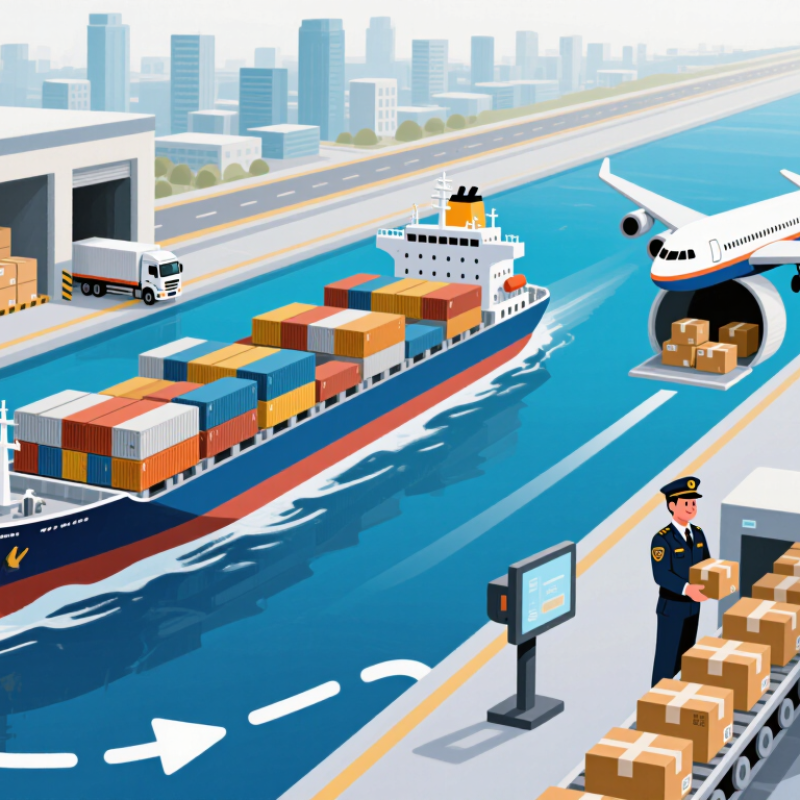
Global buyers want more than a low shipping price. They want a clear path from a supplier’s warehouse to their own door. This is why door by door shipping is gaining attention in cross-border commerce. It combines pickup, export handling, international transport, customs coordination, final-mile delivery, and tracking under one managed service.

The evidence is practical. UNCTAD’s Review of Maritime Transport 2024 confirms that maritime transport carries more than 80% of world trade by volume. However, sea transport alone does not complete a delivery. A container may cross the ocean smoothly, then wait days at a terminal or customs facility. The World Bank’s Logistics Performance Index 2023 also shows uneven performance in customs, tracking, infrastructure, and delivery timeliness across economies. Door by door services address these gaps by connecting each transport stage.

Frank Appel, former DHL Group chief executive, described logistics simply: “It is about getting the right product to the right place at the right time.” That principle explains the appeal of door by door shipping. Buyers receive one coordinated delivery experience, often with one tracking reference and one service contact. A parcel can leave a factory in Shenzhen, pass through a European hub, and arrive at a small office in Manchester without the buyer arranging separate carriers.

It is not magic. Delays, inaccurate documents, and poor packaging still create problems. Yet one accountable workflow can reduce handoff confusion and improve visibility. For global buyers, that practical control may matter more than a slightly cheaper freight quote.

Why Is Door by Door Shipping Best for Global Buyers?

What Door-to-Door Shipping Means for Global Buyers

Why Is Door by Door Shipping Best for Global Buyers?

Door-to-door shipping means the carrier manages the journey from the seller’s warehouse to the buyer’s address. This usually includes pickup, export handling, international transport, import processing, and final delivery. Instead of coordinating several providers, the buyer follows one shipment record and one service plan.

It feels simpler.

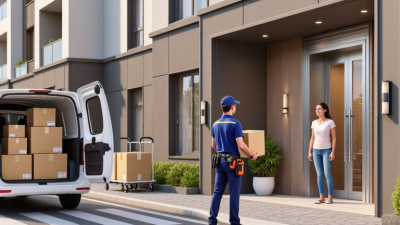
The practical benefit is control. A buyer in Toronto, for example, can receive a package at a home or office without arranging a local transfer. Tracking updates may show when the parcel leaves the warehouse, reaches customs, and enters final-mile delivery. Clear paperwork also reduces avoidable delays. Accurate product descriptions, invoices, measurements, and receiver details still matter.

However, door-to-door service is not flawless. Delivery times can change because of weather, customs checks, incomplete addresses, or unexpected storage fees. Reliable shipping depends on transparent terms, realistic estimates, and responsive support. Buyers should confirm whether taxes, duties, insurance, and remote-area charges are included. A low price can look attractive but hide important exclusions.

Professional providers also assess packaging, routing, shipment value, and destination requirements before collection. Their experience helps identify weak points early, although no provider can remove every risk. For global buyers, the strongest option is not merely convenient. It is a service that explains responsibilities clearly and provides evidence at each handover.

How the Door-to-Door Shipping Process Works

Door-to-door shipping gives global buyers a simpler path from seller to home. The process begins with a shipment request, including product details, dimensions, value, and destination. A logistics provider then arranges pickup from the seller’s address. The parcel may move through a warehouse for checking, labeling, and consolidation.

After export paperwork is prepared, the shipment travels by air, sea, or land. Tracking updates usually show major milestones, such as departure, arrival, and customs review. At the destination, customs authorities may assess duties, taxes, and documentation. Once clearance is complete, a local delivery team transports the parcel to the buyer’s stated address. A reliable service should explain delivery terms clearly and identify who handles each stage. In practice, the process is convenient, but it is not completely effortless. Incorrect dimensions, incomplete invoices, or an unreachable address can still create delays. That detail is easy to overlook.

Tips: Confirm the delivery address carefully. Ask whether duties and taxes are included. Keep invoices and product information available. Choose protective packaging for fragile goods. Track the shipment after customs clearance, when local delivery updates may change quickly. Allow extra time during holidays or severe weather. One more practical thought: the cheapest quote may exclude important handling fees, so compare the full landed cost rather than the initial price.

Why Is Door by Door Shipping Best for Global Buyers? - How the Door-to-Door Shipping Process Works

A practical overview of the main steps, responsibilities, documents, and delivery considerations in door-to-door international shipping.

Shipping Stage What Happens Typical Buyer or Seller Information Typical Time Range Main Cost Factors Common Status or Proof
1. Order and Delivery Review The shipment terms, destination address, product details, package dimensions, weight, and delivery requirements are confirmed. Recipient name, complete address, telephone number, postal code, product description, quantity, and declared value. Usually 1–2 business days Shipment size, weight, destination, cargo type, service level, and required delivery speed. Confirmed booking, shipping quotation, or order confirmation
2. Export Packing and Pickup The goods are packed for international transport, labeled, and collected from the seller or supplier’s address. Commercial invoice, packing list, pickup address, package count, and any handling instructions. 1–3 business days after cargo readiness Packaging materials, pickup distance, special handling, palletization, and cargo dimensions. Pickup record, package labels, photographs, or warehouse receipt
3. Export Customs Clearance Export authorities review the shipment information and confirm that the goods may leave the origin country. Accurate product description, customs classification, origin details, commercial invoice, and export permits when required. Several hours to 2 business days Commodity type, declared value, export requirements, inspection needs, and document accuracy. Export declaration acceptance or customs release
4. International Transit The shipment moves by air, ocean, rail, road, or a combination of transport modes toward the destination country. Transport documents, routing details, shipment reference, and contact information for exception handling. Air: about 3–10 days; ocean: about 20–45 days Transport mode, fuel costs, route, seasonal capacity, shipment volume, and destination accessibility. Departure scan, arrival scan, vessel or flight milestone, and tracking updates
5. Import Customs Clearance Destination customs assesses the shipment and determines whether taxes, duties, permits, or inspections apply. Commercial invoice, packing list, customs value, importer details, tariff classification, and product certificates when applicable. 1–5 business days when documents are complete Import duty, value-added tax or sales tax, brokerage, inspection, storage, and regulatory fees. Customs release, duty assessment, or request for additional information
6. Destination Handling and Handover The shipment is unloaded, sorted, transferred to local delivery, and scheduled for final-mile transportation. Delivery appointment, access instructions, business hours, unloading requirements, and contact availability. 1–3 business days after customs release Terminal handling, storage duration, residential delivery, liftgate use, and appointment service. Out-for-delivery notification or delivery appointment confirmation
7. Final Door Delivery The shipment is delivered to the agreed residential, commercial, warehouse, or designated receiving address. Authorized receiver, proof-of-delivery requirements, delivery signature, and damage inspection instructions. Same day to 2 business days after local dispatch Last-mile distance, address type, delivery appointment, access restrictions, and special services. Delivery scan, recipient signature, photograph, or electronic proof of delivery
Greater Convenience
One coordinated shipment can cover pickup, international transport, customs handling, and final delivery.
Simpler Coordination
Buyers generally work with one shipping arrangement instead of managing several separate transport providers.
Better Cost Planning
A detailed quotation can help identify transport, handling, customs, and last-mile charges before dispatch.
Important Limitation
Duties, taxes, restricted-goods rules, and address-related charges depend on the destination and shipment terms.

Key Benefits for International Purchasers

Why Is Door by Door Shipping Best for Global Buyers?

For international purchasers, door-to-door shipping removes several uncertain handoffs. The seller or carrier manages pickup, export processing, transit, customs coordination, and final delivery. This creates one visible journey, from a warehouse shelf to your doorstep. The World Bank’s 2023 Logistics Performance Index collected responses from 4,090 logistics professionals across 60 countries. Its findings highlight tracking, customs clearance, and delivery timeliness as major reliability factors. Door-to-door service supports all three, although performance still depends on the destination country.

International buyers also gain clearer budgeting. A consolidated quote can include transport, handling, and delivery charges before payment. That reduces unpleasant surprises at the door. UNCTAD’s Review of Maritime Transport reports that shipping carries over 80% of global trade by volume. Even small delays can affect many connected transactions. With shipment updates and one service contact, buyers can plan inventory, staff time, and customer promises more confidently. Still, convenience is not perfection. Rural addresses, weather, inspections, or incomplete documents may extend delivery times.

Tips: Confirm whether duties and taxes are included. Check the address carefully, including apartment numbers and postal codes. Request tracking from pickup to delivery. Keep invoices and product descriptions ready. Compare the promised delivery window with the actual route. This simple review often exposes costs that glossy estimates hide.

Costs, Delivery Times, and Customs Responsibilities

Why Is Door by Door Shipping Best for Global Buyers?

Costs, Delivery Times, and Customs Responsibilities

Door-to-door shipping can make an overseas purchase feel less fragmented. One service coordinates pickup, export handling, international transport, import processing, and final delivery. In practice, this reduces handoffs and simplifies tracking. It does not always mean the lowest price. That matters.

Costs depend on more than the item’s price. Freight charges may include collection, packaging, fuel adjustments, remote-area delivery, duties, taxes, and storage. Ask for a written quote showing chargeable weight and excluded fees. A small carton can still cost more if it is bulky. Buyers should compare total landed cost, not only the advertised transport rate. Small errors matter. Correct the measurements before payment.

Delivery times also need careful reading. A quoted window may cover transport only, while customs clearance adds unpredictable days. Accurate invoices, product descriptions, origin details, and contact information can prevent avoidable holds. However, the buyer usually remains responsible for truthful documents and assessed duties or taxes. The carrier may submit paperwork, but this does not transfer every legal responsibility. Rules vary by destination and product type. Even experienced shippers can misjudge local requirements during holidays or inspections. Keeping receipts and clearance messages helps resolve disputes when a parcel pauses at the border.

Factors to Consider When Choosing a Shipping Provider

Why Is Door by Door Shipping Best for Global Buyers?

Door-to-door shipping looks simple: one address, one delivery promise. For global buyers, the provider behind that promise matters more than the headline rate. UNCTAD’s Review of Maritime Transport 2023 reports that ships carry over 80% of global merchandise trade by volume. This scale creates handovers, port delays, and documentation risks. A capable provider should explain each step clearly, from pickup and export processing to final delivery.

Start with service coverage and customs expertise. The World Bank’s Logistics Performance Index 2023 evaluates customs, infrastructure, tracking, timeliness, and logistics competence. These are practical selection tests. Ask whether the provider offers shipment-level tracking, clear delivery windows, and local support at the destination. Request a full landed-cost estimate, including transport, handling, duties, and possible storage fees. A cheap quote can become expensive later.

Reliability also depends on damage control. Check packaging guidance, cargo insurance terms, claims procedures, and proof of delivery. Tracking may pause during handovers. That is frustrating, but not always a failure. The provider should still explain the delay and record the next action. Industry reports often emphasize performance averages, while buyers experience one parcel at a time. That difference deserves attention. A provider with transparent limits may be safer than one making perfect promises. You should test communication with a small shipment before trusting larger orders.