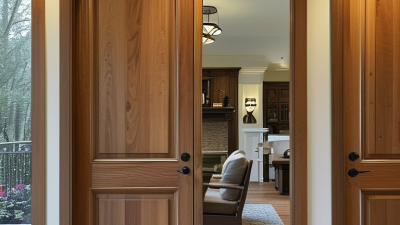
2026 Top Classic Doors Trends for Global Buyers to Explore?
As the world of architecture evolves, classic doors continue to hold significant appeal. The classic doors market is projected to grow by 5.6% annually, reflecting their enduring value in home design. This trend highlights a blend of functionality and aesthetic appeal, drawing attention from global buyers.
Industry expert Dr. James Caldwell notes, “Classic doors are more than just entryways; they are the first impression of a home.” His insights stress the importance of timeless design in today’s market. Buyers increasingly look for options that offer durability and style, with classic doors providing both.
However, trends show a shift in color and materials. Traditional woods compete with modern composites. This change raises questions about sustainability and authenticity. As we navigate the 2026 landscape, finding the right balance between innovation and tradition becomes essential for buyers in the classic doors sector.
Innovative Materials Revolutionizing Classic Door Designs in 2026
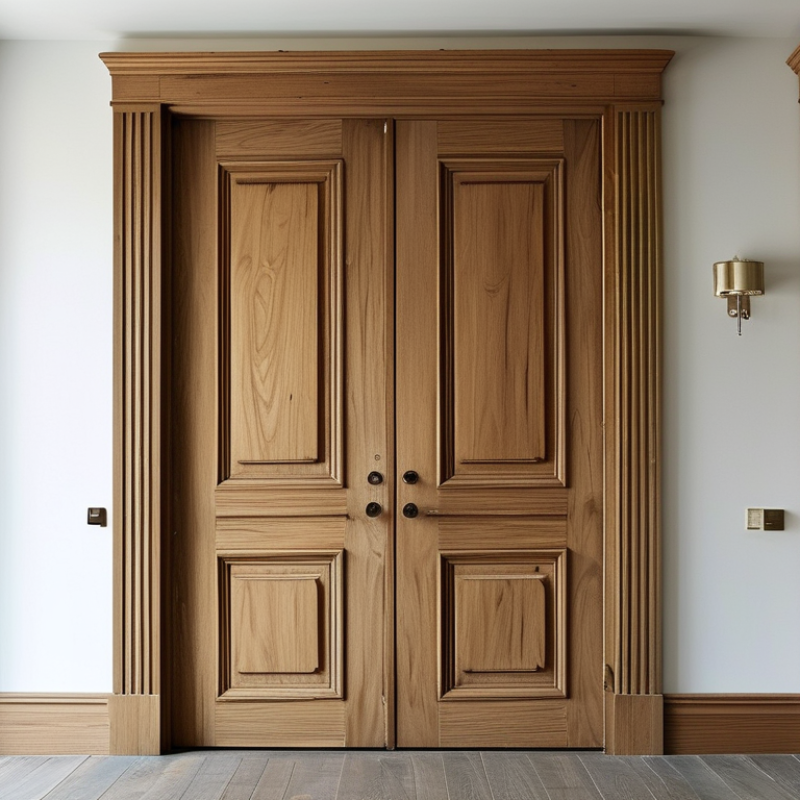
In 2026, the classic doors market is undergoing a significant transformation. Innovative materials are at the heart of this change. Designers are exploring options beyond traditional wood. Sustainable materials like bamboo and recycled composites are gaining traction. These options not only reduce environmental impact but also add unique textures and patterns to door designs.
Moreover, technology plays a crucial role. Smart materials that adjust to environmental changes are emerging. These doors can enhance insulation and security. They respond to temperature or humidity, creating a more comfortable home environment. However, the durability of these innovative materials raises questions. Some may not withstand harsh climates as traditional options do.
As trends evolve, many are still nostalgic for classic designs. Mixing traditional styles with modern materials presents a challenge. Designers must balance aesthetic appeal with functionality. The goal is to create doors that are not just beautiful but also practical. Ongoing research and development are essential to overcome these challenges. The future of classic door designs is promising but requires careful consideration.
Sustainable Practices in the Production of Classic Doors
As global buyers explore the 2026 trends in classic doors, sustainability emerges as a key focus. The production of classic doors is evolving, driven by the demand for environmentally friendly practices. A recent report indicates that nearly 70% of consumers prioritize sustainable materials. This shift is compelling manufacturers to rethink their sourcing strategies.
Sustainable practices in the production of classic doors often include using reclaimed wood and eco-friendly finishes. Reclaimed wood prevents deforestation and reduces waste in landfills. Many companies are investing in technologies that minimize water usage during production, with a reported 30% decrease in water consumption since 2018. However, challenges remain in standardizing these practices across the industry.
In addition, transparency in sourcing is critical. Buyers are increasingly seeking certifications that verify sustainable origins. While progress is evident, a gap still exists in consumer awareness. Many buyers are unaware of what constitutes truly sustainable practices in the door industry. Addressing this knowledge gap is crucial for driving the future of classic door production toward a more sustainable path.
Color Trends Shaping the Aesthetics of Classic Doors for Global Buyers
Color plays a pivotal role in shaping the aesthetics of classic doors. The trending hues for 2026 reflect a blending of tradition and modernity. Rich, deep colors like navy blue and forest green are seeing a resurgence. These tones evoke a sense of timeless elegance while providing a striking contrast against lighter home exteriors. Earthy shades like terracotta are also gaining momentum, bringing a warm, natural feel to any entryway.
Metals and pastels are exciting additions to this year's palette too. Soft pastels, such as blush and sage, infuse a refreshing vibe into classic designs. On the other hand, vibrant metallic accents enhance the overall appeal, giving depth and texture. Some might argue that using bold colors could be off-putting, yet doing so can create a unique focal point.
Exploring these color trends allows buyers to express their individual tastes. Choosing the right color is subjective and deeply personal. It is essential to consider how these colors work with the overall theme of a home. Each color tells a story, inviting reflection and discussion on how we interact with spaces. Over time, classic doors continue to evolve, embracing new colors while respecting their heritage. This dynamic interplay of color is what keeps classic doors alive and relevant.
2026 Top Classic Doors Trends for Global Buyers to Explore
| Trend Category |
Color Palette |
Material Preference |
Design Focus |
Target Market |
| Sustainable Materials |
Earth Tones |
Recycled Wood, Bamboo |
Minimalist |
Eco-Conscious Consumers |
| Bold Colors |
Deep Blue, Rich Red |
Solid Wood |
Art Deco |
Luxury Homes |
| Textured Finishes |
Neutral Shades |
Fiberglass, Metal |
Industrial |
Urban Dwellers |
| Heritage Revival |
Classic White, Soft Greens |
Composite Materials |
Victorian, Rustic |
Home Restorers |
| Smart Doors |
High-Contrast Colors |
High-Tech Materials |
Contemporary |
Tech-Savvy Consumers |
Technological Advancements Enhancing Security Features in Classic Doors
As the demand for classic doors grows, technological advancements are reshaping their security features. A recent report from the Global Security Industry Alliance highlights that over 70% of homeowners prioritize security when selecting doors. This statistic emphasizes the importance of advanced locking mechanisms and smart technologies in today’s market.
Innovations such as biometric locks and smart doorbells have become increasingly popular. These technologies provide enhanced security while maintaining the aesthetic appeal of classic designs. According to a study conducted by the Door and Hardware Institute, homes equipped with smart locks experience a 30% reduction in break-ins. Such data underscores the growing integration of technology in traditional door designs.
However, not all advancements come without challenges. The complexity of new security features can deter some buyers who prefer simplicity. Installation and maintenance may require professional help, adding to overall costs. As the industry evolves, buyers must weigh the benefits of advanced security against practical considerations. Balancing tradition and innovation remains a key concern for global consumers in 2026.
Cultural Influences Affecting Classic Door Styles Worldwide in 2026
In 2026, classic door styles will reflect a blend of cultural influences that shape global design trends. Various regions are emphasizing their historical ties. Curved arches and intricate carvings are making a comeback, echoing past aesthetics. Subtle color palettes influenced by local landscapes are enhancing the overall appeal.
Additionally, sustainability is becoming a priority. Many buyers seek materials that not only look good but also come from ethical sources. This shift encourages manufacturers to adopt eco-friendly practices, resulting in renewed interest in natural wood grains and recycled materials. However, navigating these choices can be challenging. Buyers must balance aesthetics with environmental responsibility.
Moreover, the clash between traditional styles and modern minimalism is evident. Some may prefer ornate designs while others opt for sleek, simple lines. Finding the right balance can be tricky. As cultures merge, the influence of global trends will continue to reshape classic doors. This complex interplay invites reflection on how we define heritage in our homes.