What Are the Best Quality Doors from China?

Choosing quality doors from China requires more than comparing factory prices or polished catalog images. It means examining materials, construction, testing, finishing, hardware, and installation support. The global doors market reached an estimated USD 140.63 billion in 2023, according to Grand View Research’s Doors Market Size, Share & Trends Analysis Report. Its projected growth reflects rising demand for energy efficiency, security, and durable architectural products.

China has strong manufacturing depth. Its factories can produce solid wood doors, steel doors, fire-rated assemblies, and customized entrance systems at different price levels. However, quality varies sharply between suppliers. Some use moisture-resistant cores and precise CNC machining. Others hide weak edge sealing behind attractive veneers. That difference matters after one rainy season.

Gary W. Evans, a former Door and Hardware Institute president and door-hardware consultant, has stated, “A quality door is a complete opening system, not merely a slab.” This principle should guide supplier evaluation. Buyers should request test reports, factory quality records, material specifications, and installation details. Relevant references include ISO 9001 quality-management practices and performance testing from recognized laboratories.

The answer is not simply “buy from China.” It is “verify the right manufacturer.” A low quotation may exclude hinges, frames, protective packaging, or compliance testing. That is where mistakes begin. This guide examines which Chinese manufacturers deliver reliable quality doors, how their products compare, and which questions buyers should ask before placing an order. Yet even careful research has limits. Factory claims still require independent verification.
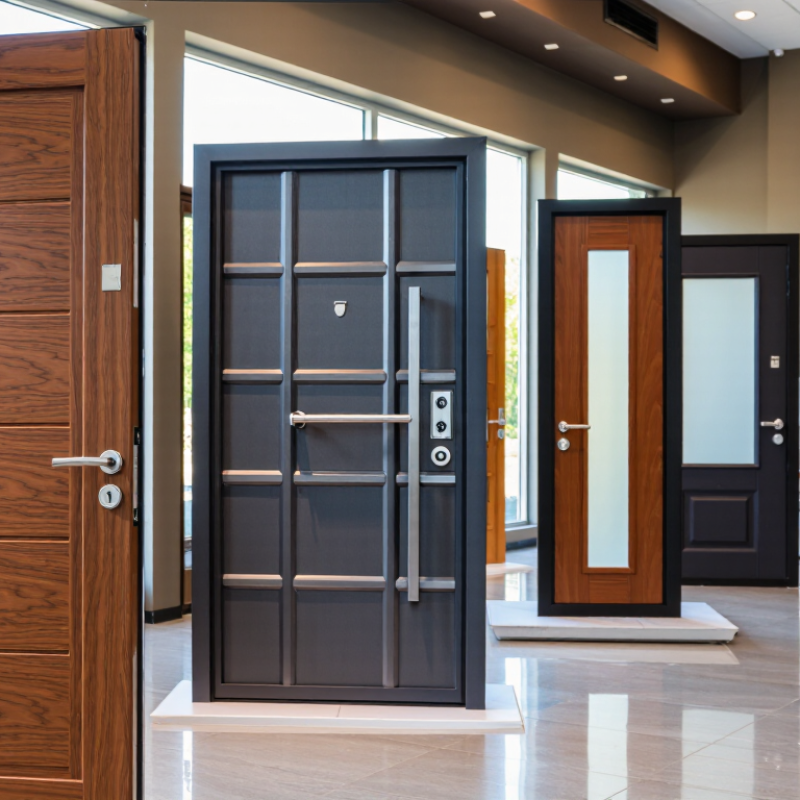
What Are the Best Quality Doors from China?

Types of High-Quality Doors Manufactured in China

What Are the Best Quality Doors from China?

High-quality doors manufactured in China include thermal-break aluminum, engineered wood, steel security, fire-rated, and uPVC doors. Thermal-break aluminum doors suit modern buildings because polyamide strips reduce heat transfer. Engineered wood doors offer stable surfaces, dense cores, and consistent finishes. Steel doors provide impact resistance, while certified fire-rated models support safer commercial interiors. According to Grand View Research, the global doors market was valued at about $207 billion in 2023, with steady growth expected through 2030. This demand is pushing Chinese factories toward tighter quality control and better testing.

A reliable supplier should provide test reports for air leakage, water resistance, wind pressure, acoustic performance, and thermal transmission. EN 14351-1 is commonly used for external windows and pedestrian doors in relevant markets. For fire doors, ask for reports matching the intended rating and installation system. The International Energy Agency reports that buildings consume roughly 30% of global energy. Therefore, glazing, seals, frame design, and installation deserve equal attention. A beautiful door can still perform poorly when its gasket is uneven. That detail is easy to miss.

Tips: Request a physical sample, section drawings, hardware specifications, and recent batch photographs. Check corner joints and seal compression by hand. Compare the declared U-value with independent test results. A low quotation may hide thinner steel, weaker cores, or incomplete testing. I would not choose from photographs alone. Factory audits, pre-shipment inspection, and clear warranty terms reduce avoidable surprises.
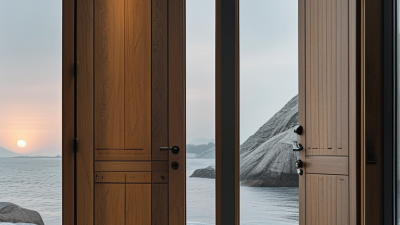
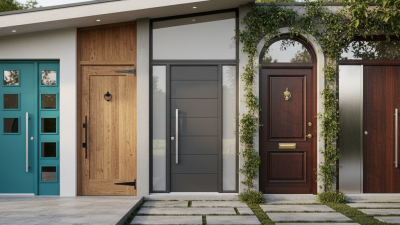
Key Materials Used in Chinese Door Production

What Are the Best Quality Doors from China?
Key Materials Used in Chinese Door Production

Quality doors from China begin with carefully selected materials, not attractive finishes alone. Solid hardwood offers strength, warmth, and a natural grain. However, wood moves when humidity changes. Engineered wood often provides better dimensional stability for interior doors. It can also reduce surface cracking and joint movement. The core matters greatly. High-density fiberboard creates a smooth, stable surface for paint. Honeycomb cores reduce weight but may provide less impact resistance. Solid or composite cores usually feel stronger during daily use.

Moisture resistance is essential for kitchens, bathrooms, and humid regions. Many manufacturers use treated wood, waterproof adhesives, or moisture-resistant panels. These materials should be checked through samples and technical documents. A door may look excellent while hiding weak internal construction. That is where buyers often make mistakes. Details matter.

Veneer, laminate, and paint each create different performance levels. Natural veneer gives a richer appearance, but its color can vary between panels. Laminates resist scratches and simplify maintenance. Multi-layer paint systems can protect the surface, yet poor preparation may cause peeling around edges. Hinges, locks, seals, and screws also influence the door’s service life. During quality checks, inspect corner joints, edge sealing, panel flatness, and hardware alignment. I would not rely on photographs alone. A physical sample can reveal uneven texture, hollow sounds, or a sharp unfinished edge. Some specifications look impressive on paper, but real handling may challenge them.

What Are the Best Quality Doors from China? – Key Materials Used in Chinese Door Production
Door Material Typical Construction Key Quality Characteristics Moisture and Climate Performance Sound and Thermal Performance Common Applications Quality Considerations
Solid Hardwood Natural timber components, often assembled with engineered reinforcement to reduce movement. Strong, repairable, visually distinctive, and suitable for long service when properly sealed. Moderate; wood expands and contracts with changes in humidity, so moisture content and surface sealing are important. Good acoustic mass and moderate thermal insulation. Interior rooms, premium entrances, villas, hotels, and traditional-style projects. Check timber moisture content, joint quality, grain stability, protective coating, and resistance to warping.
Engineered Wood Wood veneers, finger-jointed timber, or layered wood products bonded into a stable core. More dimensionally stable than many solid-wood constructions, with consistent appearance and efficient material use. Moderate to good when edges, joints, and exposed surfaces are fully sealed. Good thermal and acoustic performance, depending on core density and door thickness. Interior doors, apartment projects, offices, and painted or veneered doors. Evaluate core composition, adhesive quality, formaldehyde emissions, veneer bonding, and edge sealing.
Steel Galvanized or cold-rolled steel skins formed around a honeycomb, mineral, or polyurethane core. High strength, impact resistance, dimensional stability, and strong security potential. Good when galvanized, powder-coated, and protected at cut edges; vulnerable to corrosion if coatings are damaged. Good thermal performance with an insulated core; acoustic performance varies by construction. Security entrances, fire-rated assemblies, industrial buildings, apartments, and utility areas. Verify steel thickness, anti-corrosion treatment, frame alignment, weld quality, hardware strength, and fire-rating documentation.
Aluminum Extruded aluminum profiles with insulated panels, glass, or composite infill. Lightweight, corrosion-resistant, low-maintenance, and suitable for large glazed openings. Very good in humid or coastal environments when the finish and drainage design are appropriate. Moderate; thermal breaks and insulated glazing improve energy performance, while seals affect acoustics. Commercial entrances, balconies, offices, storefronts, and contemporary residential projects. Check alloy and profile thickness, thermal-break design, coating quality, corner joints, drainage, and gasket durability.
Fiberglass-Reinforced Composite Fiberglass-reinforced polymer skins over a foam, wood, or composite core. Resistant to dents, moisture, corrosion, and many common environmental stresses. Very good; suitable for humid locations when joints, thresholds, and hardware are correctly installed. Good thermal insulation with a foam core; acoustic performance depends on mass and sealing. Exterior residential doors, bathrooms, coastal properties, and high-humidity areas. Inspect skin thickness, surface finish, core density, UV resistance, edge construction, and hardware attachment.
PVC or uPVC Extruded rigid profiles with reinforced chambers and insulated panels or glazing. Low maintenance, moisture-resistant, lightweight, and resistant to rot and many chemicals. Very good for wet environments; performance depends on reinforcement, weld quality, and UV-stable formulation. Good thermal insulation; acoustic performance improves with multi-chamber profiles and sealed glazing. Bathrooms, utility rooms, balconies, residential interiors, and cost-sensitive projects. Check profile wall thickness, internal reinforcement, weld strength, UV stability, gasket quality, and hardware compatibility.
Aluminum Composite Panel Aluminum outer skins bonded to a polymer or mineral-filled core, usually over a supporting frame. Flat appearance, low weight, weather resistance, and flexible finish options. Good when panel joints, sealants, and edge details are correctly designed. Moderate unless combined with an insulated or acoustic core. Modern exterior doors, commercial buildings, offices, and architectural feature entrances. Review core classification, panel bonding, fire behavior, surface coating, joint design, and resistance to delamination.
Glass Door Systems Tempered or laminated safety glass installed in aluminum, steel, or frameless hardware systems. High daylight transmission, modern appearance, and easy visual supervision. Good when laminated seals, drainage, and compatible hardware are used; glass must be specified for the exposure. Varies widely; double glazing, laminated glass, and acoustic interlayers improve performance. Offices, retail entrances, hotels, partitions, and contemporary interiors. Confirm safety-glazing compliance, glass thickness, edge protection, hardware loading, seal quality, and impact requirements.
Mineral-Core Fire Door Steel or timber leaves containing a mineral-fiber or other fire-resistant core, paired with tested frames and hardware. Designed to limit fire and smoke spread for a specified period when used as a complete tested assembly. Generally good, but moisture resistance depends on the face material, coating, seals, and installation environment. Often good because of the dense core, although results depend on the full assembly. Stairwells, corridors, plant rooms, public buildings, hotels, and industrial facilities. Require third-party test evidence, fire and smoke ratings, compatible frames, intumescent seals, closers, and correct installation.

How Chinese Door Quality Is Tested and Certified

What Are the Best Quality Doors from China?

How Chinese Door Quality Is Tested and Certified

Reliable Chinese doors are judged by evidence, not appearance alone. In practical sourcing, inspectors check frame alignment, weld quality, surface coating, hardware movement, and seal compression. Laboratory tests may measure air leakage, water resistance, wind pressure, sound insulation, thermal performance, and fire resistance. The required tests depend on the door type and destination market.

Certification must match the actual product. A factory quality system certificate can show controlled production, but it does not prove that every door meets a specific performance standard. Ask for reports from an accredited laboratory, including the tested model, materials, dimensions, test date, and applicable standard. Check whether the certificate is current and whether its scope covers your order. Small details matter.

Tips: Request production samples before mass manufacturing. Compare sample drawings with the final order. Use independent inspections during production and before shipment. Confirm batch numbers, test records, packaging strength, and moisture protection. Do not rely only on a supplier’s translated document. Some reports look complete but omit critical limits. That is easy to miss. Also, testing is not perfection; installation errors, damaged seals, or poor storage can reduce real performance. A careful buyer should review both factory controls and on-site conditions.

Features That Distinguish Reliable Chinese Door Suppliers

Reliable Chinese door suppliers show evidence, not adjectives. A serious factory provides traceable material records, production drawings, and inspection checkpoints. The ISO Survey 2022 recorded more than one million ISO 9001 certificates in China. However, certification alone cannot prove consistent door quality. Paperwork is not performance.

Look for doors tested against the requirements of the destination market. Useful evidence may include air permeability, water tightness, wind resistance, acoustic performance, and fire-resistance reports. Standards such as EN 12207, EN 12208, EN 12210, and ISO 10140 help define measurable results. Ask whether the report covers the exact core, glass, hardware, and dimensions you will purchase. A polished sample can mislead. Small changes in foam density or steel thickness may alter performance.

Supplier reliability also appears in packaging and communication. The 2023 World Bank Logistics Performance Index gave China a score of 3.7 out of 5, ranking it 19th globally. Strong logistics help, but they do not replace factory controls. Request moisture protection, reinforced corners, pallet photographs, and batch-level inspection records. Compare the approved sample with the final production unit, preferably through an independent inspection. I would still question perfect spreadsheets without raw test data. Door quality is often decided in details that photographs cannot show.

How to Select the Best Chinese Doors for Your Project

Selecting the best Chinese doors requires more than comparing prices. Start with climate, building use, and opening size. For exterior doors, request tested U-value, air leakage, water resistance, and wind-load results. These figures should match recognized standards, such as GB/T 8484 or relevant ASTM methods. A polished showroom sample is useful, but it proves little about factory consistency.

Energy performance deserves attention. The 2023 UNEP Global Status Report states that buildings consumed about 30% of global final energy in 2022. The U.S. Department of Energy also reports that windows and doors can contribute substantially to household heating and cooling losses. Ask for insulated cores, continuous weather seals, thermal breaks, and low-conductivity frames. Check the threshold, too. Water often enters there first. Factory quality records, batch inspection photos, and independent laboratory reports provide stronger evidence than sales claims. Still, documents can be outdated.

Tips: Request one complete sample before ordering. Operate the hinges, lock, seals, and threshold yourself. Measure the frame after installation, not only before shipment. Confirm packaging with corner protection and moisture barriers. Ask how replacement hardware will be supplied. A cheaper door may create higher installation costs. I have seen specifications look excellent while workmanship felt merely average. That gap deserves discussion. Keep tolerances, finish standards, and inspection dates written into the purchase agreement.

What Are the Best Quality Doors from China?

How to Select the Best Chinese Doors for Your Project

Air permeability is a practical quality indicator for exterior doors. The chart shows the maximum air leakage limits at 100 Pa under the EN 12207 classification: a lower value indicates better airtightness. For energy-efficient projects, consider suppliers whose tested doors achieve Class 3 or Class 4, and request an independent laboratory report for the exact door model.

Reference: EN 12207 air permeability classification. Values are expressed in m³/(h·m²) at 100 Pa and should be checked against the requirements of your local building code.