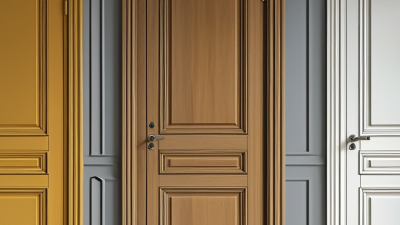
Top Quality Doors and Doors for Global Buyers in China?
In the competitive realm of "doors and doors," quality is paramount. Renowned industry expert Mark Liu, CEO of Global Door Solutions, states, “The right doors can transform a space and enhance security.” His insight reflects the significant impact doors have on architecture and safety.
China is a thriving hub for door manufacturers. There is a blend of traditional craftsmanship and modern innovation. Yet, not all products meet global standards. Buyers often face challenges in evaluating quality, design, and functionality.
Finding reliable suppliers can be daunting. Many options can appear attractive but may lack durability. Buyers need to research and verify credentials. Understanding the market landscape is essential to make informed decisions in the "doors and doors" sector.
Top Quality Door Manufacturing Standards in China: An Overview
The door manufacturing industry in China has established various quality standards. Manufacturers aim to produce doors that meet international safety and performance requirements. This focus on quality is crucial, as buyers seek reliable products for diverse applications. Despite improvements, issues like inconsistent quality remain a challenge in some factories.
Chinese standards focus on materials, construction, and testing methods. Manufacturers use a range of materials, including wood, metal, and fiberglass. Each material comes with its own set of challenges. For example, wood doors may face warping over time, while metal doors require proper anti-corrosion treatments.
Quality control processes are essential but vary by manufacturer. Regular inspections and third-party certifications help ensure compliance with standards. However, some companies might overlook these steps to cut costs. This inconsistency can lead to discrepancies in product performance. Buyers should therefore conduct thorough research before making purchases.
Key Materials Used in China's Door Production and Their Properties
China is a global leader in door manufacturing, utilizing a variety of materials with distinct properties. Wood, metal, and fiberglass are among the most commonly used materials. According to a recent market report, over 50% of doors produced in China are made from engineered wood. This material offers durability and resistance to warping, making it a popular choice among manufacturers.
Metal doors, particularly steel ones, are favored for their strength and security. They often come with insulation properties, which enhance energy efficiency. Market analysis shows that the demand for metal doors is steadily increasing, driven by commercial construction and industrial needs. However, metal doors may require additional maintenance to prevent corrosion over time.
Fiberglass doors represent an innovative option in the market. They can mimic the appearance of wood while offering superior resistance to moisture and temperature changes. Industry studies indicate that fiberglass door production is on the rise, reflecting consumer preferences for low-maintenance solutions. Yet, the challenge remains: ensuring these doors meet diverse aesthetic and functional demands across different global markets.
Top Quality Doors and Doors for Global Buyers in China
| Material |
Properties |
Applications |
Average Cost (per unit) |
| Solid Wood |
Natural appearance, high durability, good insulation |
Residential doors, high-end commercial applications |
$300 - $800 |
| MDF (Medium Density Fiberboard) |
Smooth surface, easy to paint, less expensive |
Interior doors, cabinetry |
$100 - $300 |
| PVC (Polyvinyl Chloride) |
Water-resistant, lightweight, easy to maintain |
Bathroom doors, kitchen cabinets |
$80 - $200 |
| Aluminum |
Lightweight, corrosion-resistant, modern look |
Commercial sectors, exterior applications |
$150 - $500 |
| Steel |
High strength, security, fire-resistant options |
Industrial uses, entry doors |
$200 - $600 |
Market Trends: Demand and Supply of Doors in Global Markets
The global demand for doors continues to rise, driven by robust construction activities and infrastructure projects. According to a recent market analysis, the global door market is projected to grow at a compound annual growth rate (CAGR) of 5.5% from 2022 to 2028. This growth is largely influenced by the increasing focus on energy-efficient buildings and eco-friendly materials. In particular, manufacturers in China are seizing this opportunity, offering a variety of door types, including wooden, steel, and fiberglass options.
Supply chains are adapting to meet the shifting demands. Factors such as trade policies and material costs can create shortages or surpluses. For instance, the pandemic revealed vulnerabilities in supply chains, leading to delays and increased prices. These challenges have prompted manufacturers to rethink their sourcing strategies. Reports indicate that around 40% of companies are now prioritizing local suppliers to mitigate risks.
Market trends showcase fluctuating preferences among buyers. A significant shift towards smart door technologies is emerging. Consumers expect doors equipped with security features and energy-saving capabilities. Industry experts predict that smart doors will account for approximately 25% of the total market by 2025. However, the rapid technological advancements can create uncertainty for buyers and manufacturers alike, as deciding on the right technology becomes a critical challenge.
Impact of International Trade Regulations on Door Exports from China
Exporting doors from China is heavily influenced by international trade regulations. The global market for doors was valued at over $20 billion in 2022, with a significant portion coming from Chinese manufacturers. However, tariffs and trade barriers can complicate this lucrative market. For instance, the U.S. imposed tariffs on various imports, including doors. These regulations affect pricing and demand, leading to a fluctuating market environment.
To navigate these regulations effectively, buyers should remain aware of compliance requirements. Each country has specific standards related to the safety and quality of doors. Reports indicate that compliance with these standards can increase competitiveness in foreign markets. Understanding and adapting to these requirements is essential for maintaining a sustainable business.
Buyers should also keep abreast of changing political landscapes. Trade agreements can shift rapidly, impacting import-export dynamics. Regularly reviewing industry reports and trade news is crucial. Engaging with legal experts can provide tailored insights. Staying informed will help businesses avoid regulatory pitfalls and capitalize on opportunities in the door export sector.
Sustainability Practices in Chinese Door Manufacturing: A Study on Materials
Sustainability is becoming crucial in the Chinese door manufacturing industry. Many manufacturers are exploring eco-friendly materials. Bamboo and reclaimed wood are gaining traction. These options provide strength and aesthetic appeal. However, sourcing these materials can be challenging.
The production process presents another layer of complexity. Factories must manage waste effectively. Water usage and energy consumption are areas that require attention. Some businesses are investing in renewable energy solutions. This shift is essential but not uniformly adopted across the sector.
Not all manufacturers follow sustainable practices. Some still rely on traditional methods that harm the environment. Transparency in sourcing materials is vital for building trust with global buyers. Consumers need more information about production practices. It’s essential for quality and ethical considerations.