How to Choose the Best Exterior Wood Doors for Your Home?
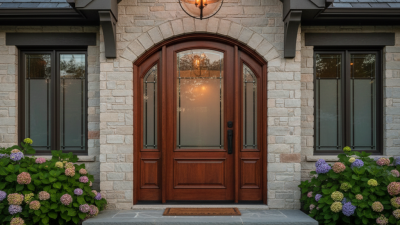
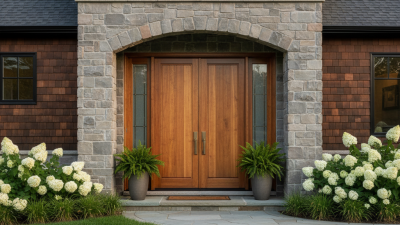
Choosing the right exterior wood doors for your home is a crucial decision that impacts aesthetics and security. According to a 2021 report by the National Association of Home Builders, over 80% of potential buyers consider curb appeal essential. Exterior wood doors significantly affect this aspect. They offer a blend of beauty and durability, making them a popular choice among homeowners.
When selecting exterior wood doors, consider factors like climate, maintenance, and design. For example, a study from the Door and Window Manufacturers Association reveals that high-quality wood doors can have a lifespan of over 30 years with proper care. However, neglecting maintenance can lead to warping and decay. Finding the best exterior wood doors requires balancing style and practicality.
Budget also plays a vital role in the selection process. Premium exterior wood doors can cost several thousand dollars, while budget options may be less durable. It’s important to reflect on the long-term value of your investment. Each choice has advantages and drawbacks, requiring careful consideration to ensure you make the right decision for your home.
Understanding Different Types of Exterior Wood Doors Available
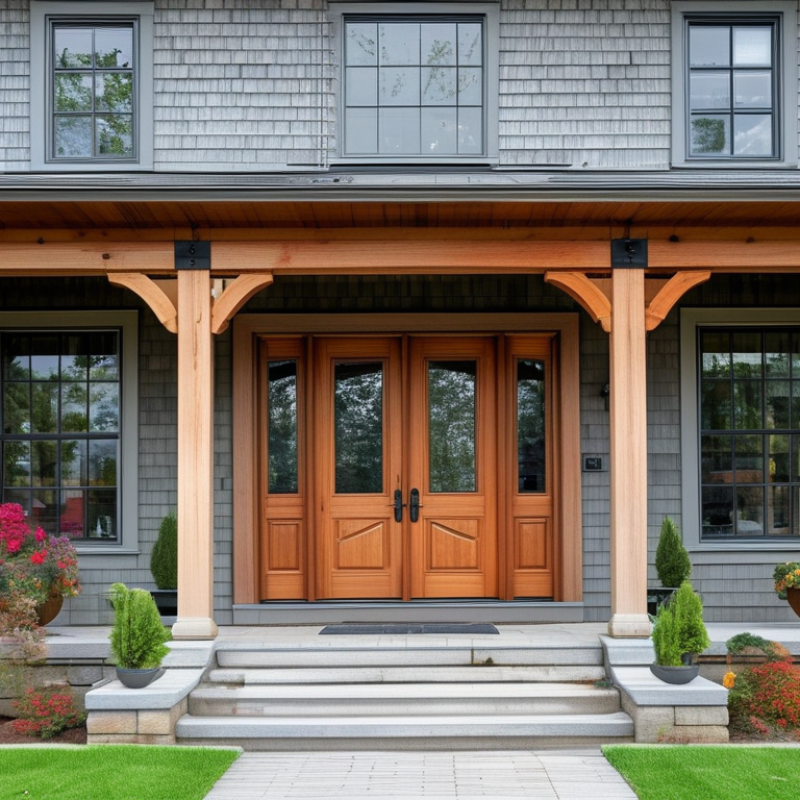
When selecting the best exterior wood doors, understanding the available types is crucial. Solid wood doors offer durability and classic appeal. They are built to withstand the elements and provide excellent insulation. However, they can be susceptible to warping if not maintained properly. Hollow core doors are lighter and often more affordable, yet they may not provide the same level of insulation. It’s essential to consider your climate and maintenance preferences when choosing.
Consider the wood species for your door. Each type of wood has its unique characteristics. Oak is strong and resists decay, making it suitable for various weather conditions. Mahogany offers a rich color and fine grain, enhancing curb appeal. Softwoods like pine are more affordable but can be less durable in harsh climates. Reflect on your home’s style and choose a wood type that complements it.
Choose finishes wisely. A high-quality sealant can protect against moisture. Regular maintenance can prevent damage over time. This means reapplying finishes every few years. A well-maintained door can last for decades. While you should aim for perfection, it’s okay to accept that some wear will occur. Every scratch tells a story.
Evaluating Wood Species for Durability and Aesthetics
When choosing exterior wood doors, evaluating wood species is crucial for both durability and aesthetics. Different types of wood offer unique characteristics. For example, oak is known for its strength and resistance to wear. It’s a popular choice for high-traffic areas. Pine, on the other hand, is softer and more affordable, but it can dent easily.
The appearance of the wood can also vary significantly. Mahogany boasts deep, rich colors and has natural resistance to rot. This makes it a great option for enhancing curb appeal. Cedar, with its aromatic quality, naturally resists insects, making it both practical and visually appealing. These species can elevate the look of your home while standing the test of time.
However, not every wood type performs well in all climates. It's essential to consider local weather conditions. Wood doors may warp or swell if exposed to excessive moisture without proper treatment. Regular maintenance is needed to protect these doors. The choice of wood impacts your home's energy efficiency too. A darker wood may absorb more heat in sunny areas. Balancing aesthetics with practicality is key.
Durability and Aesthetic Ratings of Common Wood Species for Exterior Doors
Considerations for Door Size and Style to Match Your Home
Choosing the right exterior wood doors involves thoughtful considerations about size and style. Doors are often the focal point of a home’s exterior. A door that is too small can look awkward. Conversely, an oversized door might overwhelm a slight entrance. Measure your door frame carefully before shopping. This ensures a perfect fit and prevents future problems like drafts or water damage.
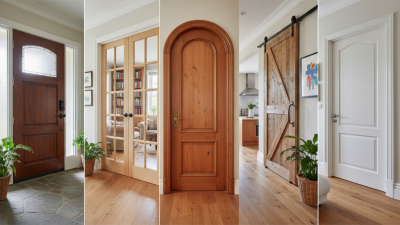
Style is equally important. Consider the architecture of your home. A rustic cabin needs a different door style compared to a modern flat-roof home. Decorative elements like panels, glass, and sidelights can enhance your choice. However, too many embellishments may make the door appear busy. Simple designs often stand the test of time. They may require less maintenance and adapt better to changing styles.
Reflecting on your home’s setting can also guide your decision. A coastal home could benefit from lighter hues. In contrast, a home in a wooded area might suit darker, richer tones. Think about durability too. Will the door withstand harsh weather conditions? Sometimes, you must balance aesthetics with practicality. These considerations can help you select a door that complements your home perfectly.
Assessing Weather Resistance and Energy Efficiency Features
Choosing the right exterior wood doors hinges significantly on their weather resistance and energy efficiency. An entry door must withstand various elements, from rain to extreme heat. For homes in wet climates, look for doors treated with water-resistant coatings. These doors help prevent rot and swelling. Similarly, for regions that experience snow and frost, ensure the door has strong insulation. A solid, well-insulated door minimizes heat loss.
Consider the energy-efficient features of your chosen door. Look for double or triple-paned glass options, which can reduce thermal transfer. These features help maintain consistent indoor temperatures. High-quality weatherstripping is another crucial aspect. It fills gaps between the door and the frame, reducing drafts.
Pay attention to the construction materials, too. Solid wood generally offers better insulation than hollow-core options. However, solid wood can expand and contract, affecting its lifespan. Reflect on how much maintenance you are willing to undertake. A door that requires frequent sealing or painting may not be ideal for every homeowner. Each option has pros and cons, so weigh them carefully before making a choice.
How to Choose the Best Exterior Wood Doors for Your Home? - Assessing Weather Resistance and Energy Efficiency Features
| Aspect |
Feature |
Details |
| Weather Resistance |
Material Type |
Wood species such as Mahogany, Teak, and Cedar offer natural weather resistance. |
| Weather Resistance |
Finish |
Exterior grade finishes protect against moisture and UV rays. |
| Energy Efficiency |
Insulation Value |
Look for doors with high R-values to minimize heat transfer. |
| Energy Efficiency |
Weather Stripping |
Ensure seals are intact to prevent drafts and enhance efficiency. |
| Aesthetics |
Design |
Choose styles like traditional, modern, or rustic to match your home’s architecture. |
| Installation |
Professional vs DIY |
Consider hiring a professional for best results unless you are experienced. |
Budgeting for Quality: Cost vs. Long-Term Value in Wood Doors
When selecting exterior wood doors, budgeting is crucial. It's tempting to go for the cheapest option, but quality often requires a more significant investment. Cheaper wood doors may save you money upfront, but they often lead to higher costs in repairs and replacements down the line. Consider the long-term value these doors can provide.
Evaluate how the wood species affects pricing. Durable materials like mahogany or oak can withstand harsh weather. Their initial cost may be higher, but their lifespan typically far surpasses that of lesser-quality woods. They give a sense of permanence and security.
Always inspect the insulation and finish of the doors, as these factors can influence efficiency. A well-insulated door can lower energy bills. Investing in a better finish may increase initial costs but will protect the door from moisture and decay. If you're on a tight budget, save by choosing a simpler design instead of sacrificing quality. Look for local suppliers or artisans who may offer competitive pricing without compromising craftsmanship.