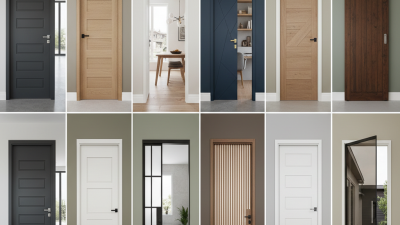
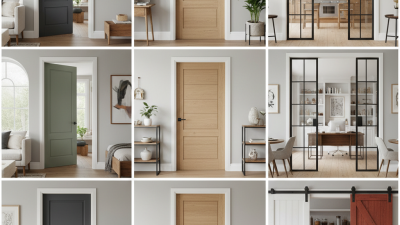
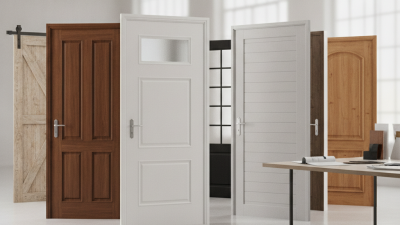
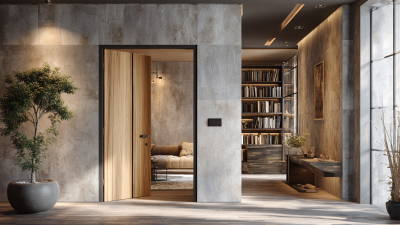
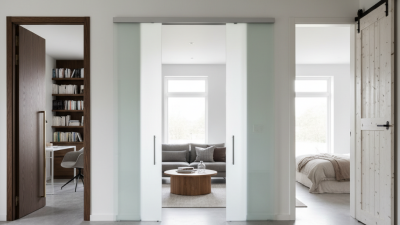
How to Choose the Best Panel Doors for Interior Spaces?
Choosing the right panel doors for interior spaces is crucial. Expert Rachel Anderson, a leading designer in the panel doors interior field, emphasizes, “The door can define the character of a room.” This wisdom rings true in any home or office setting.
Panel doors combine aesthetics with functionality. The design choices available can dramatically transform interiors. However, selecting the ideal panel door requires careful consideration. Factors like style, material, and finish play vital roles. The wrong choice can lead to regret. A mismatched door may detract from the entire space.
While the variety of options is exciting, it can also be overwhelming. Homeowners must weigh personal taste against practical needs. Spending time researching designs that resonate is vital. Keep in mind, the perfect door should not only enhance beauty but also ensure durability. Strive for a balance that reflects your unique style while serving its purpose effectively.
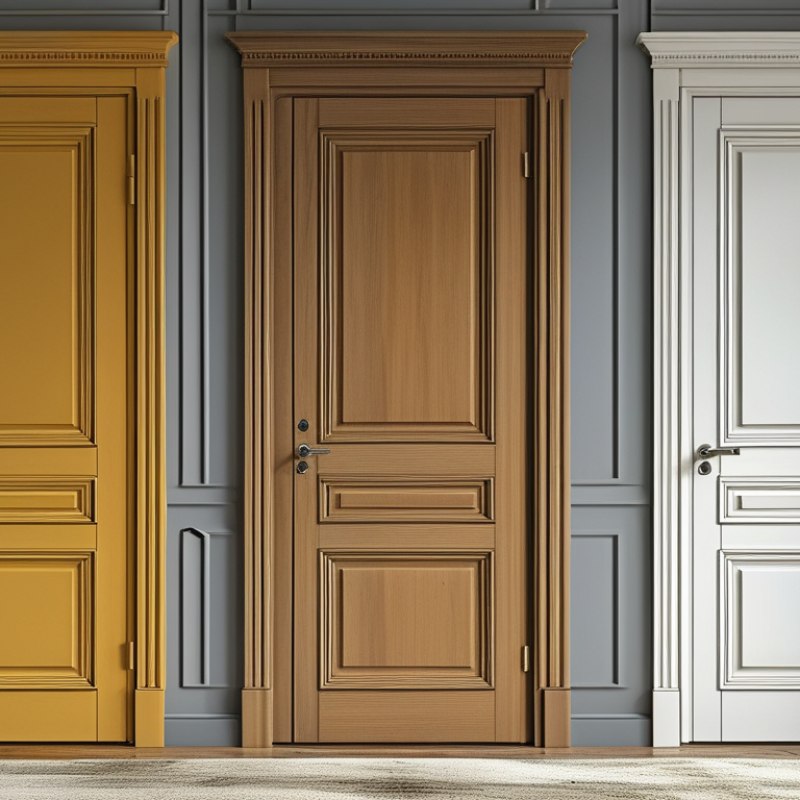
Understanding Different Types of Panel Doors for Interior Spaces
When selecting panel doors for interior spaces, it's vital to understand the various types available. Solid core doors offer durability and sound insulation. They are heavy and provide excellent privacy. Hollow core doors are lighter and more affordable. They are great for high-traffic areas where weight matters.
Another option is crafted panel doors, which add elegance. These feature detailed designs and can complement different decor styles. There are also bi-fold panel doors, perfect for closets and tight spaces. They maximize accessibility while maintaining aesthetic appeal. Visualize how each type fits in your home.
Each door type has unique characteristics. Consider the material and the finish. Wood offers warmth, while metal provides strength. Reflect on how each door will influence the light and flow in your space. Choose wisely, as functionality and aesthetics work hand in hand.
Evaluating Material Options for Panel Doors: Wood, MDF, or Composite
When choosing panel doors for interior spaces, material options play a crucial role. Wood, MDF, and composite materials each have distinct advantages. According to the National Wood Flooring Association, solid wood is preferred for its aesthetic appeal and durability. Its natural grain patterns add character to homes, but it can be costly and vulnerable to moisture damage.
MDF, or medium-density fiberboard, has gained popularity due to its versatility. It's a cost-effective option that resists warping better than solid wood. A 2021 report by Home Improvement Research Institute highlights that MDF doors can be painted easily, allowing customization. However, they are less durable and can be prone to wear over time.
Composite materials combine elements of wood and plastic. They offer good stability and resistance to environmental changes. However, their long-term durability is sometimes questioned in the industry. Some professionals note that composites can lack the warmth of natural wood, making them less appealing for certain applications.
Tips:
- Assess your environment. If humidity is a concern, opt for MDF or composite materials.
- Consider the door's visual impact. Natural wood provides unmatched beauty.
- Budget wisely. Solid wood may be an investment, but MDF could save costs in the short term.
Choosing the right material is essential. Each option has trade-offs that should be evaluated based on your specific needs and preferences.
Assessing Panel Design Styles: Traditional, Modern, and Custom Choices
Choosing the right panel doors for your interior spaces involves understanding various design styles, including traditional, modern, and custom options. Traditional panel doors often feature rich wood grains and intricate carvings. They add warmth, making them ideal for classic or cozy spaces. According to industry reports, 45% of homeowners prefer traditional designs for their living rooms.
Modern panel doors emphasize clean lines and minimalistic aesthetics. They are often made from materials like fiberglass or metal. These doors suit contemporary settings, offering sleek surfaces and innovative designs. A recent survey indicated that 35% of buyers are drawn to modern styles for their kitchens and dining areas.
When selecting a panel door, consider functionality and aesthetics. Evaluate the door’s material and whether it matches your decor theme. Here are some tips to keep in mind:
Tip 1: Measure your space accurately to ensure a proper fit. A poorly sized door can disrupt the flow of your interior.
Tip 2: Mix and match styles within the same home. This can create visual interest. Experiment with different designs in various rooms.
Tip 3: Think about sound insulation. Solid panel doors can offer better noise control compared to hollow-core options.
Each design choice reflects personal taste and space requirements. Take time to reflect on what best supports your lifestyle. Making an informed decision can lead to more satisfying results.
How to Choose the Best Panel Doors for Interior Spaces?
| Panel Style |
Description |
Pros |
Cons |
Best For |
| Traditional |
Classic panel design featuring decorative moldings and styles. |
Timeless aesthetics; enhances home value; fits vintage decor. |
May look outdated in modern spaces; often more expensive. |
Historic homes; traditional interiors. |
| Modern |
Sleek, minimalistic design often with flat panels and clean lines. |
Stylish and up-to-date; versatile; easy to maintain. |
Can be too plain for some tastes; limited customization options. |
Contemporary homes; urban apartments. |
| Custom |
Tailored designs based on specific needs and preferences. |
Unique to your style; maximum customization; specific functional needs. |
Higher cost; longer lead times; requires more planning. |
Unique interiors; personalized spaces. |
Considerations for Door Size and Fit in Your Interior Layout
When choosing panel doors for your interior spaces, door size and fit are crucial. Measure the door frame accurately. This ensures a snug fit. An ill-fitting door can lead to drafts or difficulty closing. The height and width should match the existing space well.
Consider the thickness of the door as well. A thicker door can offer better sound insulation and durability. However, it may also require adjustments to the hinges and hardware. Visual appeal is affected by how well the door fits within the space. A door that is too small may disrupt the visual balance of the room.
Think about the door swing direction. It should not obstruct furniture or foot traffic. This aspect often gets overlooked but impacts daily use. Sometimes, a door might need to be custom made to achieve the desired fit. Reflect on the existing architectural elements in your home, as they can influence your choice. A mismatched door can spoil an otherwise harmonious design.
Choosing the Best Panel Doors for Interior Spaces
Tips for Selecting Hardware and Finishes for Your Panel Doors
Choosing the right hardware and finishes for your panel doors can greatly enhance the overall aesthetic and functionality of your interior spaces. According to the American Wood Council, using high-quality materials can increase durability by 30% or more. When selecting hardware, consider both style and function. Materials such as stainless steel and brass offer longevity and timeless appeal.
The finish of your panel doors is equally crucial. Opting for a semi-gloss or satin finish can help hide fingerprints and smudges better than flat finishes. A recent survey by the National Association of Realtors revealed that 64% of buyers prefer homes with upgraded finishes. This statistic highlights the impact of quality finishes on property value.
Another factor to consider is the color palette. Light colors can make a room feel larger, while darker shades can add sophistication. Remember, inconsistencies in color or style can disrupt a cohesive design. Take time to test samples against your walls. It might take a few tries to find the perfect match, but it’s worth the effort for a polished look. Consider the long-term implications of your choices, both in maintenance and aesthetic appeal.