Top 10 Panel Doors Buyers Guide for Global Sourcing?
In the realm of construction and interior design, panel doors have emerged as a popular choice globally. According to market research by IBISWorld, the demand for panel doors is projected to grow at an annual rate of 4.5% over the next five years. This trend signifies a rising interest in aesthetic appeal and functionality among consumers.
Panel doors offer durability and style, catering to various architectural designs. The versatility of materials such as wood, fiberglass, and metal appeals to a broad audience, from homeowners to commercial developers. Industry experts highlight that energy efficiency is becoming a vital aspect of decision-making. As sustainable practices rise, suppliers are increasingly incorporating energy-efficient designs into their panel door offerings.
However, while the market is flourishing, buyers face challenges. Quality assurance and supplier reliability are persistent concerns. Selecting the right panel doors requires a thorough understanding of materials and manufacturing techniques. Buyers must also consider installation factors and maintenance requirements. This guide aims to arm global buyers with the insights needed to navigate these complexities in the panel door market effectively.
Understanding Panel Doors: Types and Features for Buyers
Panel doors are a popular choice for both residential and commercial applications. They offer aesthetic appeal and functional benefits. Understanding the types of panel doors can help buyers make informed decisions. According to market research, the global panel door market was valued at approximately $15 billion in 2022, with a projected growth rate of 5% annually.
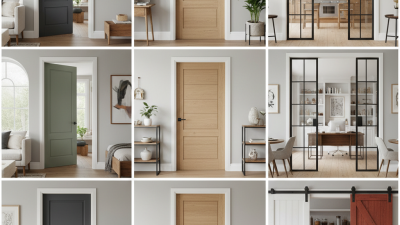
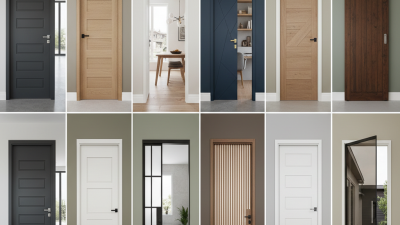
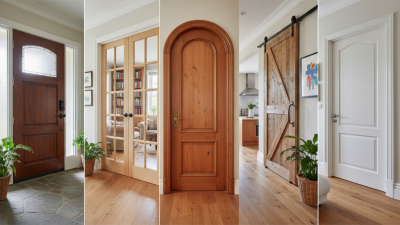
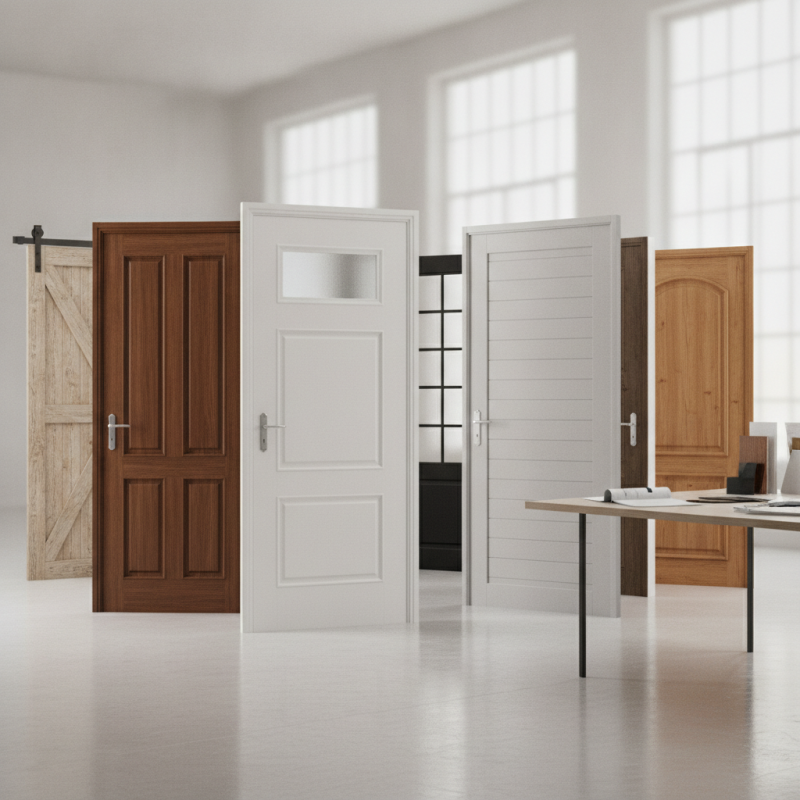
There are several types of panel doors. Solid wood, engineered wood, and fiberglass are common materials used. Solid wood doors provide a classic look and durability. On the other hand, engineered wood doors offer stability and resistance to warping. Fiberglass doors are low-maintenance and energy-efficient. Each type has its own set of features and pricing, affecting buyer choices.
Buyers should consider aspects like insulation properties and soundproofing capabilities. Energy reports indicate that door insulation can significantly reduce heating and cooling costs. However, it's crucial to assess the potential for wear over time. Not all doors are created equal. Buyers can sometimes overlook the importance of proper installation and maintenance. Understanding these factors can ensure long-term satisfaction and value.
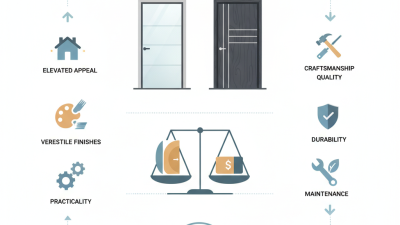
Top 10 Panel Doors Features Comparison
Key Factors to Consider When Sourcing Panel Doors Globally
When sourcing panel doors globally, various factors come into play. Material quality stands out as a primary concern. Sourcing doors made of durable wood or metal ensures longevity. The finish of the panel door also matters. A well-finished surface not only enhances aesthetics but also provides better resistance to wear and tear. Different climates can affect door performance, so understanding local conditions is vital.
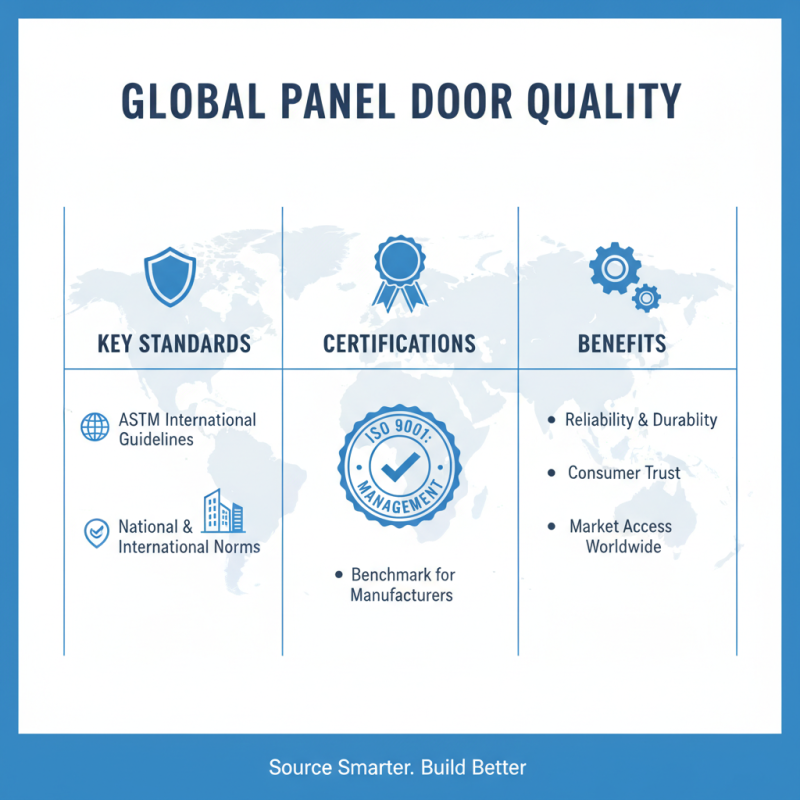
Certifications can indicate reliability. Look for doors that comply with international standards. This implies they have passed rigorous testing. Additionally, consider the supplier's reputation. A manufacturer with a good track record often delivers consistent quality. Engaging directly with factories may provide insights into their production processes and ethical practices.
Cost is always a factor. However, the cheapest option may not always be the best choice. Cutting corners can result in compromised quality. Evaluating total ownership costs is essential. This includes installation and maintenance. Each decision in the sourcing process should be well-considered, ensuring that the final choice meets all necessary standards without sacrificing quality.
Top Manufacturers and Brands in the Panel Door Industry
When sourcing panel doors, understanding the key players in the industry is essential. The panel door market features various manufacturers and brands, each with unique strengths. They offer a wide range of designs, materials, and sizes. Selecting the right manufacturer can significantly impact the quality of your purchase. Some brands are renowned for their durability, while others excel in design.
Choosing the right panel door involves more than just aesthetics. Consider the materials used. Solid wood, engineered wood, and composite materials all offer different benefits. Look for manufacturers that provide detailed specifications and product testing reports. This information boosts confidence in the product's quality.
Tip: Always request samples before making bulk purchases. A physical sample helps in assessing quality and finish. Research user reviews and testimonials to gain insights about reliability. Don't overlook second-hand reviews as they often provide honest feedback. Ultimately, being thorough in your research will lead to better sourcing decisions.
Cost Analysis: Budgeting for Global Panel Door Purchases
When considering global sourcing for panel doors, cost analysis is crucial. A thoughtful budget helps in making informed decisions. Prices can vary significantly depending on materials, design, and manufacturer. For instance, solid wood doors might cost more upfront but offer durability and aesthetic appeal. On the other hand, composite doors could be budget-friendly but may compromise on quality.
It's vital to account for shipping and customs fees. These hidden costs can inflate the initial price. When negotiating with suppliers, always inquire about potential discounts for bulk orders. Smaller manufacturers may provide competitive rates, but their reliability might be uncertain. Balancing cost with quality is key; opting for the cheapest option can lead to issues down the road.
Additionally, considering lead times is important. A lower cost might mean longer wait times for delivery. It’s wise to evaluate the trade-offs between cost and efficiency. Analyzing these factors can reveal a clearer picture of total expenses, enhancing financial planning for panel door purchases.
Top 10 Panel Doors Buyers Guide for Global Sourcing
| Rank |
Type of Panel Door |
Material |
Average Cost (USD) |
Ideal Use Case |
| 1 |
Solid Core Panel Door |
Wood |
$200 - $300 |
Residential interior |
| 2 |
Hollow Core Panel Door |
MDF |
$100 - $200 |
Cost-effective interior |
| 3 |
Bi-fold Panel Door |
Wood |
$250 - $400 |
Closets and smaller spaces |
| 4 |
Sliding Panel Door |
Glass |
$300 - $600 |
Modern interiors |
| 5 |
French Panel Door |
Wood |
$400 - $800 |
Elegant room divisions |
| 6 |
Accordion Panel Door |
Vinyl |
$150 - $250 |
Partitioning spaces |
| 7 |
Pocket Panel Door |
Wood |
$300 - $500 |
Space-saving solutions |
| 8 |
Panel Door with Window |
Wood/Glass |
$350 - $700 |
Light and visibility |
| 9 |
Louvered Panel Door |
Wood |
$200 - $350 |
Ventilation needs |
| 10 |
Steel Panel Door |
Steel |
$400 - $900 |
High security areas |