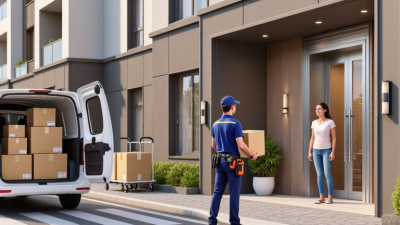
Choosing among China’s top door-to-door shipping companies takes more than comparing a price per kilogram. The service should connect pickup, export handling, international transport, customs coordination, and delivery to the final address. Jeff Bezos, Amazon’s founder and a prominent e-commerce logistics leader, once said, “We see our customers as invited guests to a party, and we are the hosts.” That customer-first idea matters when a shipment must arrive at a real home or business, not just a port.
A useful comparison should examine destination coverage, transit-time estimates, tracking updates, insurance options, and how clearly each provider explains its charges. Ask whether the quote includes pickup from a factory in Shenzhen, delivery to an apartment in London, or both. Small details matter. So does who answers when tracking stops updating. Company rankings can be useful, but service quality varies by route, shipment size, and season. A popular provider may not be the best fit for every shipment. This is easy to overlook.
This guide introduces China-based door by door shipping options and the questions worth asking before booking. It focuses on practical signs of reliability, such as written quotes, clear service terms, and responsive support. No single checklist can remove every uncertainty. Some details still need a direct question. Compare the same shipment across providers, and confirm the final delivery scope in writing.
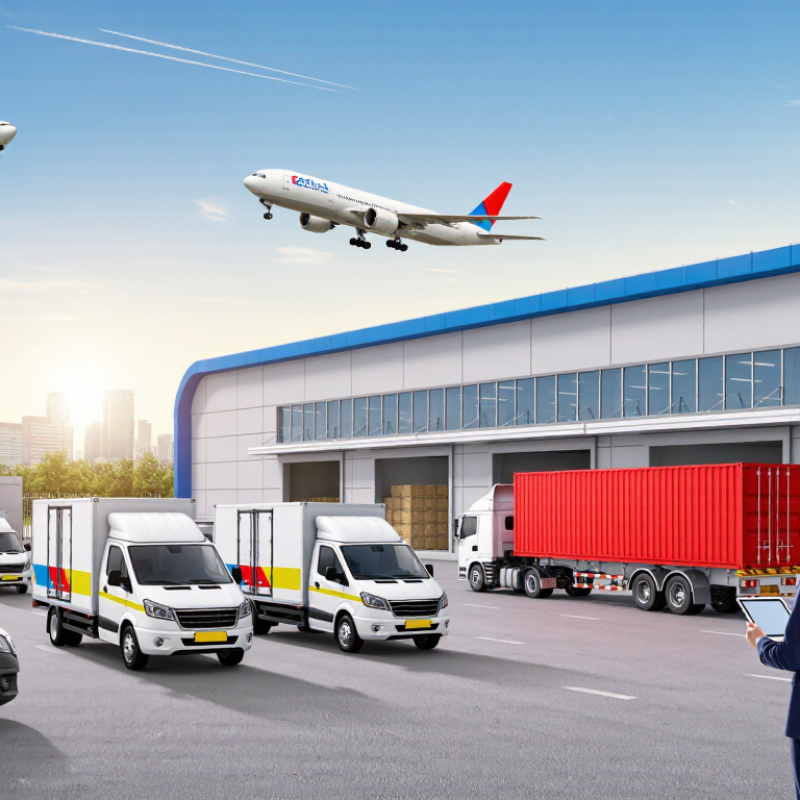
Door-to-door shipping in China means one logistics provider coordinates a shipment from the sender’s address to the receiver’s address. The service may include pickup, export handling, international transport, destination customs coordination, and final delivery. The exact scope varies: some quotes exclude duties, taxes, storage, or remote-area fees. Ask for these details in writing. Small omissions can change the final cost.
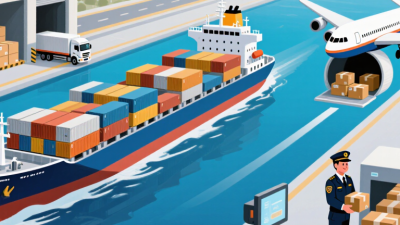
Sea freight often forms part of the route. UNCTAD’s Review of Maritime Transport 2024 reports that over 80% of world trade by volume moves by sea. For China shipments, that leg may connect factory-area trucking with port handling and delivery inland. The World Bank’s 2023 Logistics Performance Index ranked China 19th among 139 economies, assessing areas such as infrastructure and timeliness. That national score offers context, not a guarantee for one shipment. A carton delayed at a warehouse can still miss its planned sailing. That happens.
Before booking, confirm who handles customs paperwork, how tracking updates are provided, and what happens after a failed delivery attempt. Share accurate dimensions and addresses; a small measurement error can affect freight charges. Door-to-door sounds simple. The handoffs are not. Ask for a written timeline, while leaving room for inspections, weather, and congestion.
| Shipping Method | Typical Transit Time | What Door-to-Door Usually Covers | Suitable Shipments | Main Cost Factors | Important Considerations |
|---|---|---|---|---|---|
| International express | About 3–8 business days | Pickup in China, export processing, international transport, import processing, and delivery to the stated address. | Documents, samples, and small parcels that need fast delivery. | Actual or volumetric weight, destination, package dimensions, and any surcharges. | Availability and delivery time depend on the destination and customs clearance. Duties and taxes may be billed separately. |
| Air freight | About 5–12 business days | Pickup, export handling, air transport, destination handling, customs coordination, and final delivery as specified in the quote. | Time-sensitive cargo that is larger or heavier than typical parcels. | Chargeable weight, cargo dimensions, airport handling, delivery distance, and customs-related services. | Door delivery may involve separate local handling or accessorial charges. Confirm whether duties and taxes are included. |
| Rail freight | About 18–35 days | Pickup, rail transport, border and terminal handling, customs coordination, and delivery to the named address when included. | Goods that balance cost and transit time, subject to route and cargo eligibility. | Volume or weight, route, terminal fees, inland delivery, and seasonal capacity. | Transit time varies by route, border procedures, and onward transport availability. Not all destinations have suitable rail service. |
| Ocean freight — LCL | About 30–50 days | Pickup, consolidation, ocean transport, deconsolidation, customs coordination, and final delivery if listed in the service scope. | Smaller shipments that do not fill a container. | Cubic volume, minimum charges, origin and destination handling, port fees, and final-mile delivery. | Consolidation and deconsolidation add handling steps. Port congestion and customs inspections can extend transit time. |
| Ocean freight — FCL | About 25–45 days | Pickup or container loading, ocean transport, destination handling, customs coordination, and container delivery or unloading as agreed. | Large shipments suitable for a dedicated container. | Container size, route, fuel and seasonal surcharges, port fees, and inland transport. | Clarify whether the quote includes unloading, container detention or demurrage, duties, and taxes. |
| Road freight | About 7–25 days, route dependent | Pickup, cross-border road transport, customs coordination, and delivery to the stated address where available. | Shipments moving to nearby or connected regional markets. | Distance, cargo size and weight, border handling, delivery location, and route conditions. | Service coverage depends on the destination and current border arrangements; transit estimates are not guaranteed. |
Door-to-door describes the pickup-to-delivery route, but does not automatically mean that import duties and taxes are included. Under DDP (Delivered Duty Paid), the seller or service provider generally arranges delivery with import duties and taxes paid as agreed. Under DAP (Delivered at Place), the buyer generally handles import clearance and applicable duties and taxes. Transit times and inclusions are indicative; confirm the destination, delivery address, cargo details, customs terms, and all charges before booking.