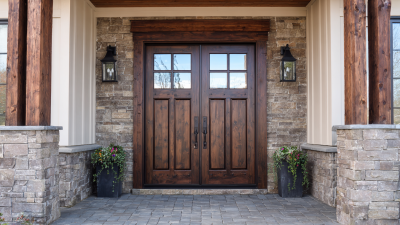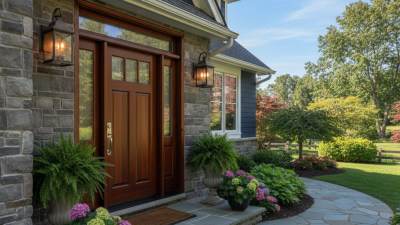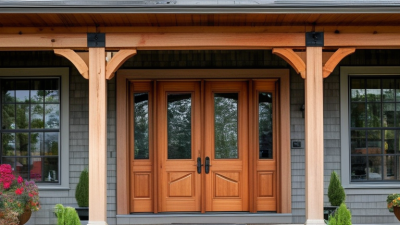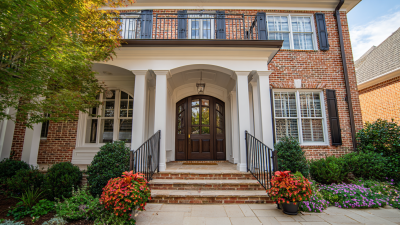
Choosing among the 10 best exterior wood doors requires more than comparing photographs and price tags. A front door faces rain, ultraviolet light, temperature changes, wind pressure, and daily impact. Wood still moves. Its performance depends on species, moisture content, joinery, finish, glazing, seals, and installation quality.
The International Energy Agency reports that buildings consume roughly 30% of global final energy. This figure does not mean a door creates most building losses. However, it shows why envelope performance deserves careful attention. A well-fitted door can limit drafts and moisture entry. Buyers should compare tested U-values, air-leakage results, weatherstripping, threshold design, and compatible hardware. ISO 10077-1 provides methods for assessing thermal transmission. EN 14351-1 also establishes performance requirements for external pedestrian doorsets in relevant markets. These standards offer useful reference points, but local codes still control final approval.
This guide evaluates exterior wood doors for different climates and purchasing conditions. It considers engineered cores, responsibly sourced timber, protective coatings, warranty terms, repairability, security features, and supplier documentation. FSC certification can help buyers verify responsible forest sourcing, although certification alone does not guarantee perfect durability. Climate changes everything. A door designed for a dry inland city may struggle beside a humid coastline. No ranking is perfect. Product data can be incomplete, and installation can change real-world results dramatically. The strongest choices combine proven construction with clear technical evidence, practical maintenance guidance, and support after delivery. Think of the details: a tight seal at the threshold, stable hinges, even finish coverage, and no visible swelling after seasonal weather changes.
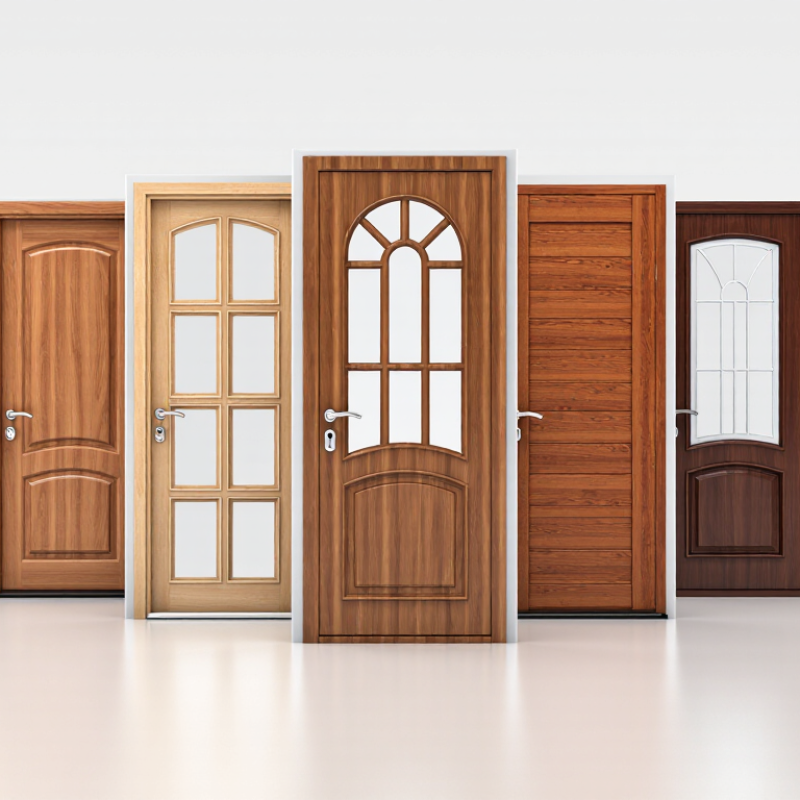
10 Best Exterior Wood Doors for Global Buyers
For global buyers, exterior wood doors should be evaluated against documented performance, not appearance alone. EN 14351-1 covers external pedestrian doorsets in the European market. It supports assessment of air permeability, watertightness, wind resistance, thermal transmittance, and acoustic performance. A compliant product normally requires a Declaration of Performance and CE marking under the Construction Products Regulation. CE is not a luxury-quality seal. It shows declared performance and regulatory conformity.
North American projects often reference WDMA standards and performance classifications. These evaluate structural strength, air infiltration, water penetration, and resistance to repeated operation. Buyers should request test reports, installation limits, and the exact performance grade. A thick oak slab may look impressive, yet poor sill drainage can still cause swelling after one wet season. Small details matter.
The 2023 Global Status Report for Buildings and Construction reports that buildings consume about 30% of global final energy. Door selection therefore affects more than curb appeal. Check the declared U-value, weather seals, threshold design, and local climate exposure. Coastal sites need careful moisture protection. Cold regions need stable cores and controlled timber moisture content. Documentation can be imperfect, too. Test conditions may not match the real installation, especially when workmanship changes the result. A serious supplier should explain those limits clearly.
| No. | Exterior Door Type | Recommended Wood Construction | Typical Glazing | Suitable Climate | Indicative Thermal Target | Key Performance Checks | Relevant Standards and Compliance Notes |
|---|---|---|---|---|---|---|---|
| 1 | Solid Engineered-Timber Entry Door | Multi-layer laminated timber core with exterior-grade wood veneers and sealed end grain. | None or small insulated glass panel. | Cold, temperate, and high-UV regions when properly coated. | Target whole-door U-value: approximately 1.0–1.6 W/m²K, subject to design. | Air permeability, watertightness, wind resistance, dimensional stability, hardware durability. | For EU/EEA markets, external pedestrian doorsets may require assessment under EN 14351-1 and CE marking under the applicable Construction Products Regulation route. |
| 2 | Wood Stile-and-Rail Panel Door | Engineered stiles and rails with floating or fixed panels to reduce seasonal movement. | Optional double-glazed decorative or clear units. | Temperate and coastal climates with protected exposure and regular finish maintenance. | Target whole-door U-value: approximately 1.2–2.0 W/m²K. | Panel movement, joint performance, water penetration, air leakage, wind load, finish adhesion. | WDMA I.S.6A is a recognized reference for architectural stile-and-rail wood doors. Project specifications should identify the required performance level and exposure conditions. |
| 3 | Insulated Wood Flush Door | Timber perimeter frame, insulated core, structural facings, and weather-resistant exterior veneer. | Usually unglazed for improved thermal performance. | Cold climates and buildings prioritizing energy efficiency. | Target whole-door U-value: approximately 0.8–1.4 W/m²K with an insulated frame and threshold. | Core insulation continuity, threshold thermal bridging, air leakage, water resistance, surface impact resistance. | WDMA I.S.1A may be relevant to architectural wood flush door construction. Fire-rated performance must be specified and tested separately; EN 14351-1 does not by itself establish fire-door classification. |
| 4 | Glazed Wood Entrance Door | Engineered timber frame with reinforced glazing aperture and drained glazing rebate. | Double or triple insulating glass; safety glass where required by location. | Temperate and cold climates requiring daylight and visibility. | Target whole-door U-value: approximately 1.0–1.8 W/m²K, depending on glass area. | Glass edge sealing, drainage, condensation control, air permeability, watertightness, solar and acoustic performance. | EN 14351-1 applies to external pedestrian doorsets within its scope. Performance classification can include EN 12207 air, EN 12208 water, and EN 12210 wind results. |
| 5 | Craftsman-Style Wood Door | Engineered timber frame, recessed panels, weather-resistant face veneers, and protected joinery. | Small upper glazing section or insulated decorative glass. | Temperate climates and covered or moderately exposed entrances. | Target whole-door U-value: approximately 1.2–2.0 W/m²K. | Panel shrinkage, corner-joint durability, finish weathering, water penetration, hardware alignment. | WDMA I.S.6A provides a useful reference for stile-and-rail construction. The required performance level should match the building height, exposure, and local wind conditions. |
| 6 | Arched or Custom-Profile Wood Door | Engineered curved components or laminated timber sections with reinforced head geometry. | Custom insulated glass or solid upper panel. | Protected entrances in temperate or dry climates; exposure design is critical. | Target whole-door U-value: approximately 1.3–2.2 W/m²K. | Curved-frame deflection, gasket continuity, drainage, air leakage, water penetration, installation tolerances. | Custom shapes should be tested or technically assessed as a complete doorset where required. EN 14351-1 performance evidence must represent the actual configuration or an allowed product family. |
| 7 | Wood Door with Sidelites | Engineered timber door leaf with structurally designed side frames and continuous weather seals. | Double or triple insulating glass in the door and sidelites. | Cold and temperate climates where increased daylight is desired. | Target whole-assembly U-value: approximately 1.1–1.9 W/m²K. | Assembly air leakage, mullion deflection, glass safety, water drainage, wind resistance, threshold continuity. | Test and declare the complete external pedestrian doorset, including sidelites, when required. EN 1026/12207, EN 1027/12208, and EN 12211/12210 are commonly used test/classification references. |
| 8 | Wood French or Double Door | Two engineered timber leaves with reinforced meeting stiles, adjustable hinges, and multipoint locking. | Insulating glass or divided-light panels. | Temperate climates and sheltered outdoor living areas. | Target whole-door U-value: approximately 1.2–2.0 W/m²K. | Meeting-stile air leakage, leaf deflection, hinge load, water penetration, locking operation, threshold drainage. | The declared performance should cover the double-leaf arrangement. CE marking, where applicable, is linked to the applicable harmonized product standard and documented performance, not simply to the use of wood. |
| 9 | Wood-Clad Exterior Door | Insulated or composite structural core with engineered timber exterior cladding and protected joints. | Optional high-performance insulating glass. | High-UV, humid, and mixed climates where reduced wood movement is preferred. | Target whole-door U-value: approximately 0.7–1.3 W/m²K. | Cladding ventilation, moisture management, thermal bridging, coating durability, air and water resistance. | Specify the actual external-face material, substrate, and finish system. WDMA references may apply to wood components, while local building regulations govern the complete assembly. |
| 10 | Traditional Solid Wood Door with Weather Screen | Solid or laminated timber leaf protected by a separate glazed storm or weather screen. | Clear or low-emissivity glass in the outer screen. | Heritage buildings and moderate climates where traditional appearance is important. | Target combined U-value: approximately 1.5–2.5 W/m²K, depending on air gap and screen design. | Ventilation between leaves, moisture accumulation, screen drainage, air leakage, door movement, finish maintenance. | Verify whether the inner door and weather screen are assessed as one doorset or separate products. Historic appearance does not remove requirements for safety, accessibility, or local energy performance. |