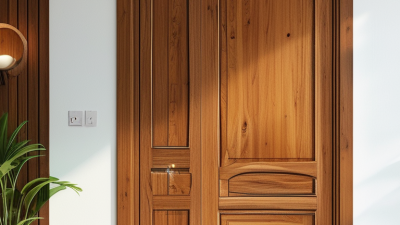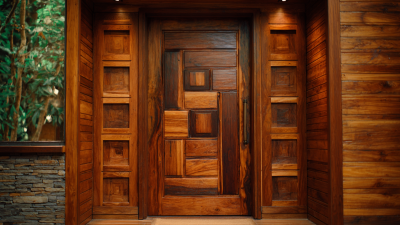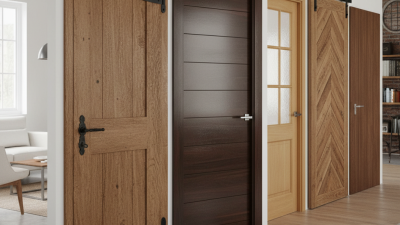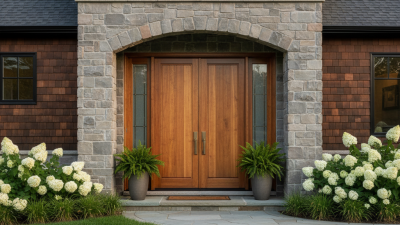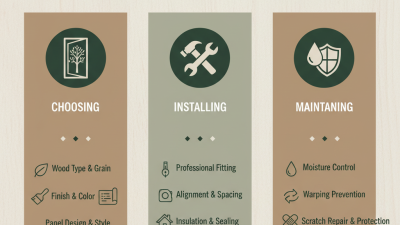
When considering home design, wood door design stands out as a timeless choice. These doors offer both functionality and aesthetic appeal. They can enhance the entrance of any home, providing warmth and elegance. Buyers around the world are increasingly drawn to unique styles that reflect personal taste.
The appeal of wood door design lies in its versatility. From rustic to modern, the choices are vast. Each design has its own character, contributing to the overall ambiance of a space. Buyers should reflect on factors like grain pattern, color, and finish. These elements can dramatically influence the door's impact on the home.
However, not all wood door designs fit every style. Some may clash with a contemporary look, while others might lack durability. It's essential for buyers to research different options and understand what each design offers. This reflection can lead to a more satisfying choice, ensuring that the selected wood door enhances the home for years to come.
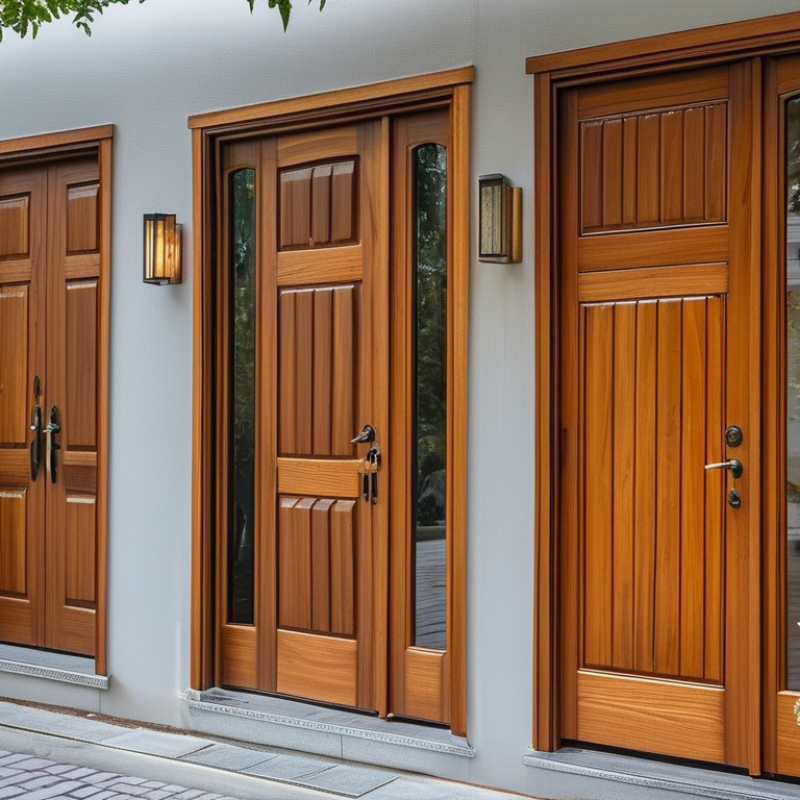
When choosing wood door designs, global buyers should focus on both aesthetics and functionality. The rich textures and colors of wood can enhance any architectural style. Consider popular options like rustic barn doors that exude charm or sleek contemporary designs for a modern touch. Each door tells a story, reflecting the craftsmanship and heritage behind it.
Selecting the right wood is crucial. Hardwoods like oak and maple offer durability, while softer woods can be more affordable yet equally appealing. Finishing options also matter; they can impact longevity and appearance. A well-finished door can resist moisture, preventing warping over time. It's important to research various finishes to find the best fit for your climate.
Quality matters, especially in door hardware. Spend time selecting the right hinges and locks to ensure functionality. Flimsy hardware can lead to door misalignment, causing future issues. An aligned door enhances security and aesthetics, creating a seamless entry.
It's essential to reflect on your needs and environment before making a purchase. Beautiful designs should not compromise practicality. Take your time exploring options; a thoughtful choice will serve you well for years. Always consider how the door will integrate into your space and lifestyle.
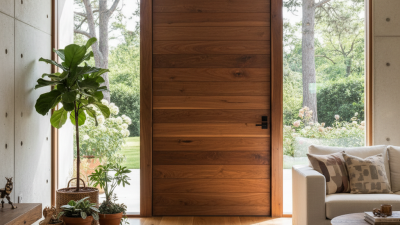
Wood doors blend aesthetic charm with functional integrity. Their visual appeal can elevate any space. A report by the American Wood Council notes that wood doors account for 50% of all residential doors sold. This statistic underscores their significance in home design. Buyers often choose wood for its durability and natural beauty. However, not all wood doors are created equal. Quality matters in design and materials.
Functionality also plays a key role. Wood doors provide excellent insulation. This helps maintain indoor temperatures. According to the U.S. Department of Energy, doors made from solid wood can reduce energy costs by up to 20%. However, they require regular maintenance to ensure longevity. Without proper care, wood can warp or crack over time.
Choosing the right wood door requires balancing aesthetics with practicality. Buyers often overlook the importance of choosing the suitable wood species. Each variety has unique properties, impacting durability and maintenance needs. Some woods resist moisture better than others, making them suitable for different climates. Reflecting on these choices can lead to a more informed decision process.
| Design Style | Material Type | Finish Type | Functionality | Aesthetic Appeal |
|---|---|---|---|---|
| Classic Panel | Solid Oak | Stained | Insulation | Elegant |
| Modern Minimalist | Birch | Natural | Easy Maintenance | Sleek |
| Rustic Barn Door | Reclaimed Wood | Distressed | Functional | Charming |
| Contemporary Glass Insert | Maple | Lacquered | Visibility | Stylish |
| Double Door | Mahogany | Vinyl Clad | Wide Entry | Grand |
| French Door | Cherry | Polished | Elegance | Sophisticated |
| Sliding Door | Pine | Natural Stain | Space Saving | Modern |
| Arched Top | Walnut | Matte Finish | Classic Look | Timeless |
| Paneled Door | Teak | Varnished | Durable | Rich |
| Bi-Fold Door | Cedar | Oiled | Passageway | Versatile |
When selecting wood for door manufacturing, buyers should consider the type of wood and its unique qualities. Hardwood like oak is popular for its durability. It provides excellent resistance to wear, making it ideal for high-traffic areas. Oak doors often have a rich, appealing grain that can elevate the aesthetics of any space.
Softwoods, such as pine, offer a different appeal. They are lighter and easier to work with. Pine doors can be stained or painted, providing versatility for design preferences. However, they may require more maintenance due to their susceptibility to scratches. This trade-off should be considered when choosing materials.
Mahogany is another excellent choice. Known for its deep color and resistance to moisture, it is often used in exterior doors. Yet, it can be more expensive and may not suit every budget. Reflect on the balance between aesthetics, durability, and cost when choosing wood types for door designs. Each option has strengths and weaknesses that influence your final decision.
When considering wood door designs, the debate between traditional and modern styles stands strong. Traditional wood doors often feature intricate carvings, solid panels, and timeless designs. According to the American Institute of Architects, 62% of new homebuyers prefer traditional aesthetics. This preference stems from a desire for warmth and classic charm, which these doors provide. Their craftsmanship often reflects a heritage that connects families and generations.
On the other hand, modern wood door styles focus on minimalism and functionality. A recent survey by the National Association of Home Builders revealed that 75% of buyers want contemporary designs that are sleek and easy to maintain. These doors often utilize materials like engineered wood and incorporate large glass panels, emphasizing natural light. However, some industry experts point out that while modern doors can be visually appealing, they may lack the character found in traditional options. It raises questions about whether less distinctive designs can truly meet the emotional needs of homeowners seeking connection to their living spaces.
Choosing the right wood door design can significantly impact your space. A well-crafted door adds elegance and warmth. According to industry research, 70% of homeowners prioritize aesthetic appeal when selecting doors. This is often influenced by design trends, functionality, and energy efficiency.
Consider the architectural style of your home. For instance, rustic designs suit cabins, while sleek, minimalistic doors work well in modern spaces. Think about the wood species, as each offers distinct visual and tactile qualities. The National Association of Home Builders notes that oak and cherry are favored for their durability and beauty. Also, consider the door’s R-value for energy efficiency, especially in regions with extreme temperatures.
Lighting can affect how a wood door's finish appears throughout the day. Test samples in various lighting conditions. It's also essential to assess your daily needs. Busy families might prefer durable finishes, while a serene setting may call for softer textures. Note that wood is prone to warping in high humidity. Understanding these factors aids in making a sound decision. Balancing aesthetic desire with practicality can be a tricky endeavor.