Top 10 Wood Door Design Ideas for Global Buyers?
Wood door design has become a focal point for homeowners and architects alike. The global door market is expected to reach USD 115 billion by 2027, with wooden doors accounting for a significant portion of this growth. As trends evolve, the demand for stylish and sustainable designs continues to rise. Buyers are increasingly drawn to unique wood door designs that combine aesthetics and functionality.
Incorporating natural materials like wood adds warmth to interiors. According to a report by the National Association of Home Builders, over 70% of home buyers prefer wooden doors for their durability and aesthetic appeal. Wood door design can reflect personal style while enhancing a property's value. However, not all designs are created equal. It’s crucial to consider the ecological impact of sourcing materials. Sustainable wood options are becoming popular, yet they require careful selection and transparency in sourcing.
Navigating the world of wooden doors can be challenging. Choices may lead to unanticipated maintenance issues or design mismatches in homes. It's essential for buyers to reflect on their long-term needs and environmental footprint. The right wood door design should not only look good but should also stand the test of time.
Exploring the Timeless Elegance of Solid Wood Doors
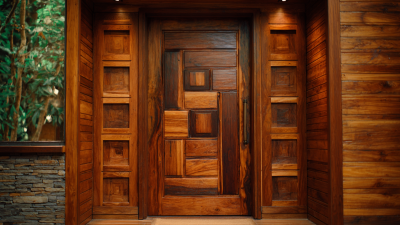
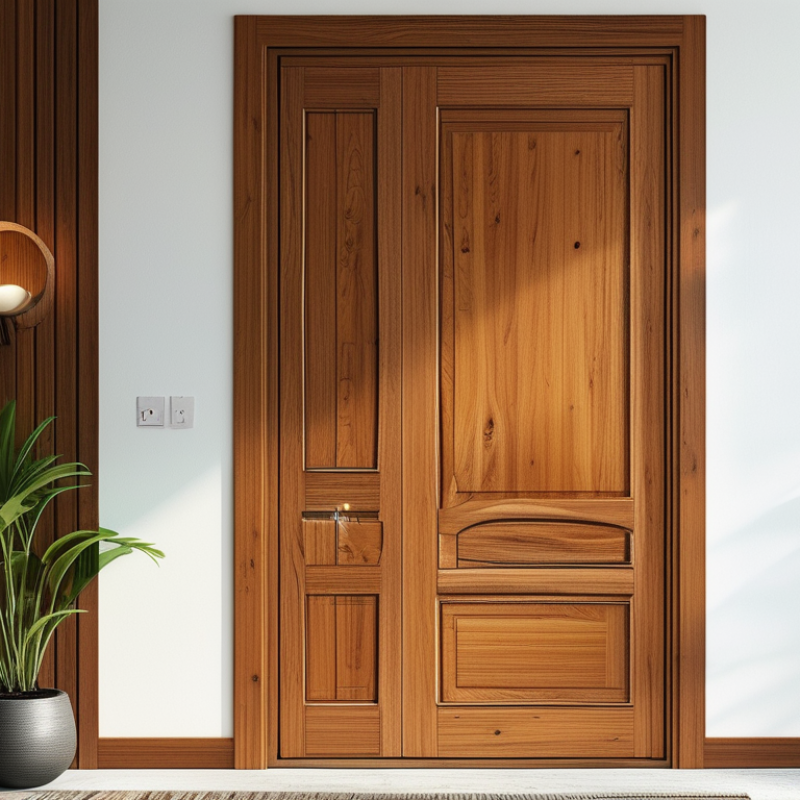
Solid wood doors have long been a hallmark of timeless elegance. Their natural beauty adds warmth to any space. With their rich textures and unique grains, these doors create a sense of authenticity that manufactured alternatives often lack. Each wooden door tells a story, showcasing the craftsmanship behind its creation. This individuality is a key reason global buyers are drawn to them.
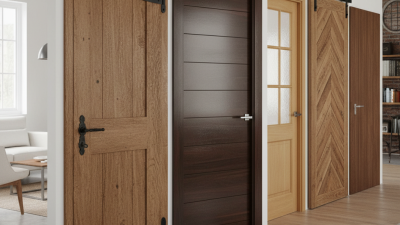
Incorporating solid wood doors into your design can elevate your home’s aesthetic. Choose styles that complement your interior decor. Classic designs often feature detailed carvings, while minimalist styles focus on sleek lines. Consider the finish as well. A rich stain enhances the wood’s grain, while a lighter hue can bring out its clarity. However, maintaining these doors requires effort. Wood is sensitive to humidity and temperature changes, which can lead to warping. Regular care is essential to preserve their beauty.
Embracing solid wood doors is not just about style; it's a commitment to sustainability. Choosing responsibly sourced wood supports eco-friendly practices. Yet, it's important to reflect on your choices. The production process may impact the environment, so seek suppliers who prioritize sustainability. By investing in these doors, you participate in a tradition that values quality and craftsmanship.
Top 10 Wood Door Design Ideas for Global Buyers
| Design Idea |
Material |
Finish |
Style |
Best For |
| Classic Raised Panel |
Oak |
Stained |
Traditional |
Historic Homes |
| Modern Flat Panel |
Maple |
Lacquered |
Contemporary |
Urban Homes |
| Sliding Barn Door |
Pine |
Natural Finish |
Rustic |
Farmhouses |
| Double Door Design |
Walnut |
Matte Finish |
Elegant |
Grand Entrances |
| Arched Top Door |
Cherry |
Painted |
Victorian |
Period Homes |
| Textured Paneled Door |
Bamboo |
Satin Finish |
Modern |
Eco-Friendly Homes |
| French Doors |
Teak |
Varnished |
Classic |
Patio and Decks |
| Flush Door |
Hickory |
Smooth Finish |
Minimalist |
Modern Offices |
| Pivot Door |
Acacia |
Oiled Finish |
Sleek |
Luxury Homes |
| Bi-fold Doors |
Cedar |
Weathered Finish |
Open Concept |
Indoor-Outdoor Living |
Modern Designs: Blending Style and Functionality in Wood Doors
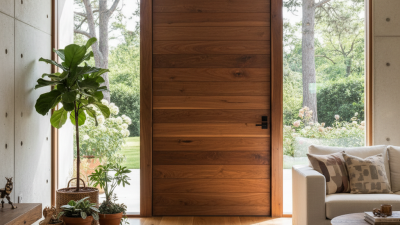
Wood doors are a vital element in modern architecture. They offer a timeless appeal that blends warmth and sophistication. The right design can elevate an entire space. Think about a sleek, minimalist door with clean lines. It can make a powerful statement.
Innovative designs often utilize mixed materials. For instance, combining glass panels with solid wood creates an eye-catching effect. This balance enhances natural light while maintaining privacy. Textured finishes can add another layer of depth. Consider a grain pattern that draws the eye and encourages touch.
However, not every design is perfect for every space. Some styles may not suit a traditional home. It’s essential to assess space dimensions and lighting before choosing. Reflecting on these elements can lead to better decisions. Ultimately, modern wood doors should cater to both aesthetic and functional needs.
Eco-Friendly Choices: Sustainable Wood Door Options for Buyers
The rising demand for eco-friendly products has significantly influenced wood door designs. Buyers today prefer sustainable options that not only look stunning but also contribute positively to the environment.
Reclaimed wood doors offer a unique charm and history, having been sourced from previously used materials. This gives each door a distinctive character while reducing waste.
Choosing bamboo doors can be another great option. Bamboo grows rapidly and absorbs more carbon dioxide than traditional hardwoods. This makes it an environmentally preferable choice.
While these options are appealing, it’s essential to consider the quality of the finish used. Some finishes may contain harmful chemicals, impacting indoor air quality.
Sourcing local woods can also reduce the carbon footprint associated with transportation. However, it is crucial to ensure that the wood is responsibly harvested.
Transparent sourcing practices help buyers make informed decisions. While the market offers many eco-friendly choices, it's important to research and choose wisely.
Each decision impacts our planet.
Craftsmanship and Customization: Tailoring Wood Doors to Individual Needs
Craftsmanship and customization play a crucial role in the wood door industry. According to a report by IBISWorld, the wood door manufacturing market in the U.S. is worth approximately $5 billion. Many consumers now seek doors that reflect their personal style and preferences. Customization allows buyers to select materials, finishes, and designs that align with their home's aesthetic.
Demand for sustainable options has grown dramatically. Research by Grand View Research indicates that eco-friendly materials are becoming predominant. Buyers increasingly prefer doors made from sustainably harvested wood. This shift doesn't just enhance aesthetics; it reflects a commitment to environmental responsibility.
However, not all manufacturers can deliver quality alongside customization. Many options may lack the durability required for long-term use. Some designs may also not fit architectural needs perfectly, leading to potential issues with installation. It's essential for buyers to communicate clearly with craftsmen about their vision. Engaging with experienced professionals can help bridge the gap between desires and feasibility.
Top 10 Wood Door Design Ideas
Cultural Influences: Traditional Wood Door Styles from Around the World
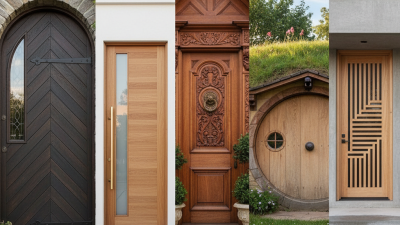
Wood doors have long been a canvas for cultural expression across the globe. Each region showcases unique styles, reflecting its traditions and history. For instance, Japanese doors often feature intricate sliding mechanisms called "fusuma," allowing flexibility in space. The minimalist designs emphasize simplicity and harmonize with nature. In contrast, Mediterranean doors boast vibrant colors and ornate carvings, symbolizing the region's rich cultural heritage.
Exploring traditional wood door styles reveals a wealth of craftsmanship. In India, artisans create elaborate doorways adorned with brass fittings and intricate patterns. These doors tell stories of dynasties and symbolize strength. Meanwhile, Scandinavian designs prioritize functionality and natural materials, often incorporating light hues and clean lines. While these styles are captivating, adapting them to modern homes can be a challenge.
Homeowners often grapple with balancing aesthetics and practicality. This blend of tradition and innovation invites personal reflection on one's space. The journey of selecting a wood door can evoke both inspiration and uncertainty, as individuals weigh cultural significance against contemporary needs.