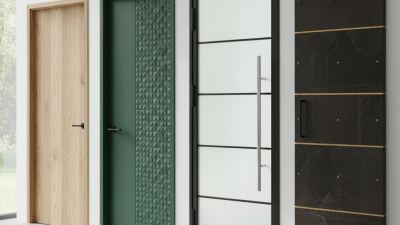
Top 10 Interior Door Types for Global Buyers
Interior doors are no longer a minor finishing detail for global buyers. They shape privacy, sound control, circulation, safety, and the visual rhythm of a room. Grand View Research estimates that the global doors market reached approximately USD 100 billion in 2023, with continued growth expected through 2030. However, many reports combine exterior and interior products, so buyers should read market figures carefully.
Sarah Susanka, an architect and author known for human-centered residential design, offers a useful principle: “It’s not how much space you have, but how you use it.” That idea fits doors interior decisions closely. A pocket door can free a narrow hallway. A solid-core hinged door can soften bedroom noise. A glazed door can carry daylight into a dark study. Small choices become visible every day.
This guide examines ten interior door types for international buyers, including hinged, sliding, pocket, barn, pivot, bi-fold, French, flush, louvered, and glass doors. Each type brings different costs, installation demands, durability levels, and maintenance needs. Product availability also varies by region, climate, and building practice. Do not assume a popular style will suit every project.
Material descriptions and performance claims should be checked against manufacturer specifications, independent testing, and relevant regional standards. The data is useful, but not perfect. Door classifications differ between research firms. A beautiful door can still fail when its frame, hinges, seals, or wall structure are poorly matched. The best decision balances appearance, function, local supply, and long-term use.
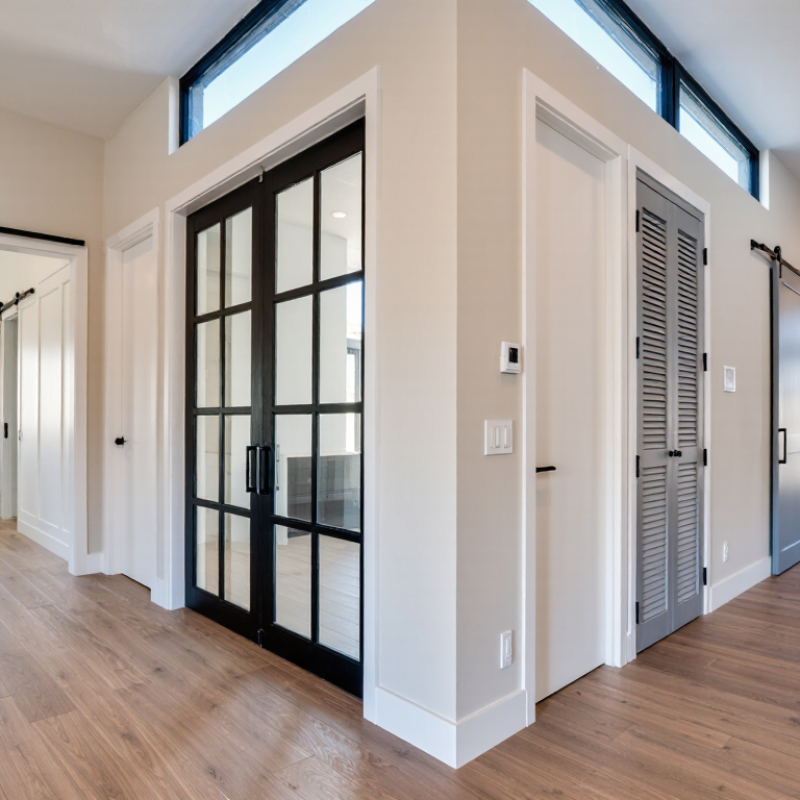
What Interior Doors Are and How They Differ
Top 10 Interior Door Types for Global Buyers
What Interior Doors Are and How They Differ
Interior doors separate rooms, control privacy, and influence movement through a home. Unlike exterior doors, they usually do not need heavy weather protection. Their design depends on room use, wall structure, climate, and local building practice.
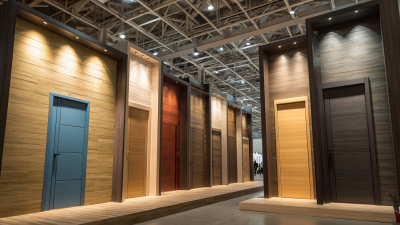
A solid-core door feels stable and reduces sound between bedrooms or offices. A hollow-core door weighs less and usually costs less, but it offers weaker acoustic performance. Glass-panel doors bring daylight into darker spaces. Flush doors create a simple surface, while panel doors add visible depth and character. Pocket doors slide inside the wall, saving floor space. Hinged doors remain the most familiar option. They are easy to repair.
Door operation also changes the buying decision. Bi-fold doors suit wardrobes and compact openings. Sliding doors work well where a swing arc would block furniture. Louvered doors allow air movement for closets and utility rooms. Double doors create a wider opening, though they need accurate alignment. I have seen attractive doors fail because the opening was measured poorly. A few millimeters matter. Moisture can also cause swelling in humid rooms, so material selection deserves careful review. Certified installers should check clearances, hinges, locks, and fire requirements before fitting. The best type is not always the most fashionable one. It is the door that matches the room’s daily demands.
Top 10 Interior Door Types for Global Buyers
What Interior Doors Are and How They Differ
Interior doors separate and connect rooms while influencing privacy, daylight, ventilation, space efficiency, and interior style.
The chart compares representative door-leaf thicknesses commonly used in residential and light-commercial interiors.
Most wood-based interior doors are approximately 35–45 mm thick, while interior glass doors are commonly much thinner.
Values are typical market ranges represented by a midpoint and may vary by construction, hardware, fire rating, and regional building standards.
The Top 10 Interior Door Types for Global Buyers
The Top 10 Interior Door Types for Global Buyers
Global buyers are not choosing doors by appearance alone. Climate, room size, privacy, maintenance, and local building rules matter. The Freedonia Group’s World Windows & Doors report identifies residential construction and remodeling as major demand drivers, supporting continued interest in practical interior door systems.
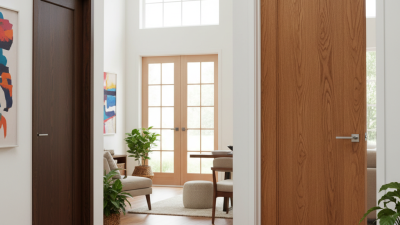
For compact apartments, pocket doors and sliding barn-style doors save floor space. Flush doors offer clean lines and easier cleaning. Panel doors suit traditional interiors, while French doors improve borrowed light between rooms.
Consider ten useful options:
Flush
Panel
Molded
Solid wood
Glass
French
Pocket
Sliding
Louvered
Acoustic doors
Solid wood feels substantial, but humidity can cause movement. Louvered doors improve airflow for closets and utility rooms. Glass doors brighten dark corridors, yet clear glazing may reduce privacy. Frosted or textured glass is often a better compromise.
Performance should be checked, not assumed. The U.S. Census Bureau recorded about 1.36 million privately owned housing completions in 2024, showing the scale of new residential demand. Meanwhile, the International Energy Agency reports that buildings account for roughly 30% of global energy demand, although interior doors are only one small factor.
Acoustic ratings, moisture resistance, fire performance, and hardware quality deserve equal attention. A beautiful door can still fail in a damp bathroom. Specifications also vary between regions, so buyers should verify local standards and installation tolerances. Mistakes happen. A sample installation is usually worth the extra time.
How to Compare Doors for Different Rooms and Uses
Top 10 Interior Door Types for Global Buyers
Choosing among the top 10 interior door types starts with the room, not appearance. In residential projects, I compare privacy, airflow, noise, clearance, and cleaning needs. Panel and flush doors suit bedrooms and studies when sound control matters. Glass, French, and Dutch doors add borrowed light, but they reduce privacy. Pocket and sliding doors save floor space. They can be less forgiving when hardware needs adjustment. Barn doors look practical, yet gaps often allow sound and light through. A beautiful door can still be awkward.
Tips:
Sketch the furniture first. Mark the door swing and walking path. Measure the finished opening, wall depth, and ceiling height. For bathrooms or humid rooms, check moisture resistance and ventilation needs. Louvered doors improve airflow, while solid doors usually provide better privacy. Bifold doors work well for closets, but their hinges need careful alignment. Small details matter.
For kitchens, utility rooms, and compact apartments, compare cleaning effort and access speed. Flush doors offer simple surfaces. Panel doors provide a more traditional appearance. In shared rooms, French or glazed doors can separate spaces without blocking daylight. Local construction rules may affect opening direction, safety glass, and accessibility, so confirm requirements with a qualified installer.
I have found that buyers often focus too heavily on style. That choice is understandable, but daily comfort deserves equal attention. Door performance can vary with climate, wall construction, and installation quality.