Top Inside Doors in China for Global Buyers to Consider?
When considering top inside doors in China, global buyers must navigate a diverse market. Inside doors play a crucial role in home aesthetics and functionality. It's essential to choose doors that reflect style while ensuring durability.
Chinese manufacturers offer a variety of designs, from traditional wooden doors to modern minimalist styles. Many doors incorporate eco-friendly materials, catering to buyers looking for sustainability. However, quality can vary significantly among suppliers.
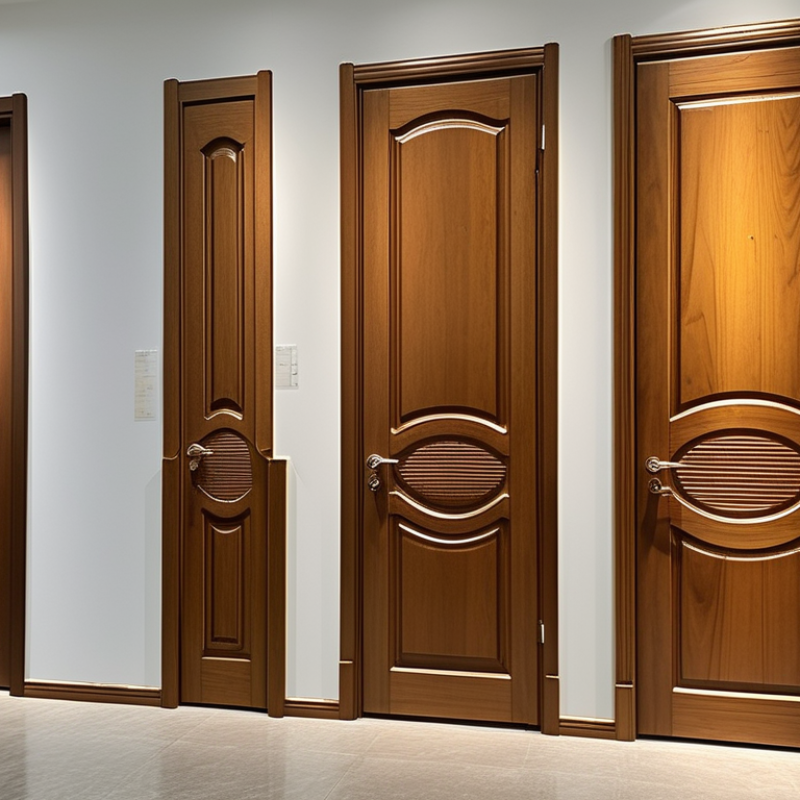
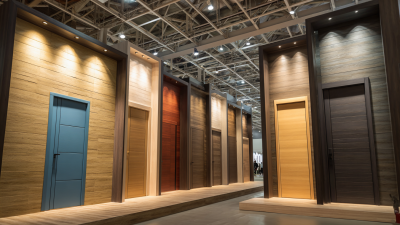
Buyers should conduct thorough research before making a purchase. Understanding the differences in materials and craftsmanship will lead to better investment decisions. Often, exploring showrooms can provide insights into the final product's appearance and feel. Making informed choices can prevent regrets later on. Selecting the right inside doors is vital for enhancing interior spaces.
Overview of the Door Industry in China
China’s door industry is a significant player in the global market. The manufacturing process here includes advanced technology and skilled labor. Numerous factories produce a variety of doors, catering to both domestic and international buyers. This diversity allows for a wide selection, including wooden, metal, and composite doors.
Sustainability is increasingly important in China’s door production. Many manufacturers are adopting eco-friendly practices. They are sourcing materials responsibly and reducing waste. However, the industry still faces challenges. Some companies may struggle with compliance and quality control. These issues can affect reliability, especially for global buyers seeking consistent quality.
Trade regulations also impact the door industry in China. Buyers must navigate tariffs and import regulations carefully. This can complicate sourcing decisions. It’s crucial to research suppliers thoroughly. Buyers should consider visiting factories to assess capabilities firsthand. Building trust with manufacturers can sometimes be challenging. Yet, establishing solid relationships is vital for long-term success.
Popular Types of Interior Doors for Global Markets
When considering interior doors for global markets, a variety of styles and materials come into play. Solid wood doors are often favored for their durability and classic appearance. They provide excellent sound insulation, making them a popular choice in residential settings. However, they can be heavy and may require substantial maintenance.
Another option is engineered wood doors, which offer a more economical solution. These doors can mimic the look of solid wood while being lighter and less expensive. They often come with added benefits such as better resistance to warping. However, their longevity can be a concern.
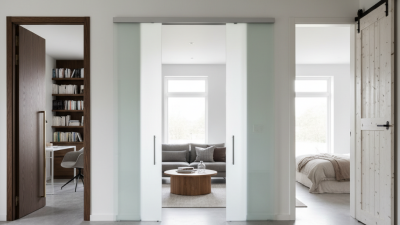
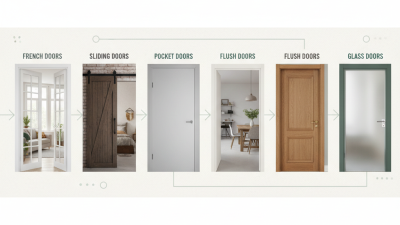
Tips for selecting the right interior door include assessing the space. Understanding the room's function can help in choosing between a sliding or hinged door. For smaller areas, sliding doors can save space while offering modern aesthetics. Additionally, pay attention to the finishing details. A well-finished door can enhance the overall decor. Always consider the ambiance you want to create.
Quality materials are crucial. Low-cost options might look attractive, but they often lack durability. It’s important to reflect on long-term use. Cheaper doors sometimes warp or chip, leading to further costs down the line. Prioritizing quality will save you money and effort in the future.
Top Inside Doors in China for Global Buyers
This chart illustrates the popularity of various types of interior doors in China based on units sold. It provides global buyers with insights into which door styles are currently favored in the market.
Key Features to Consider When Buying Doors
When selecting doors for interiors, several key features must be evaluated. Materials play a crucial role in determining durability and aesthetics. Options often include solid wood, MDF, and various engineered materials. Solid wood offers warmth and elegance but can be pricey. In contrast, MDF is cost-effective and versatile, making it a popular option.
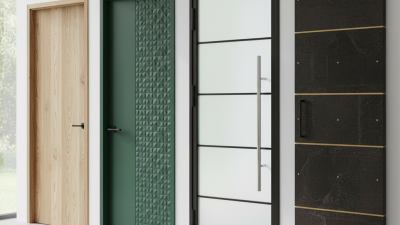
The door’s design is another consideration that should not be overlooked. From traditional panel doors to sleek contemporary styles, the design impacts the overall décor of a space. Buyers should also assess the door's insulation properties. A well-insulated door reduces energy costs, contributing to comfort and sustainability.
Lastly, hardware and security features are paramount. Hinges, locks, and handles should not only match the door's design but also provide reliable functionality. Many buyers underestimate the importance of quality hardware. In some cases, poor-quality locks can compromise home security. It's essential to choose wisely and perhaps consult with professionals to ensure the right fit and function.
Top Inside Doors in China for Global Buyers to Consider
| Door Type |
Material |
Insulation |
Durability |
Design Options |
Average Price (USD) |
| Hollow Core |
MDF/Particle Board |
Low |
Moderate |
Basic Finishes |
$50 - $100 |
| Solid Wood |
Hardwood |
High |
High |
Custom Designs |
$200 - $500 |
| Steel Door |
Steel |
Moderate |
Very High |
Industrial Style |
$150 - $300 |
| Fiberglass Door |
Fiberglass |
High |
High |
Modern Styles |
$200 - $400 |
| Interior Paneled Door |
Wood Veneer |
Moderate |
High |
Traditional Styles |
$120 - $250 |
Top Manufacturers of Interior Doors in China
When exploring the top manufacturers of interior doors in China, buyers encounter a competitive landscape. The growth rate of the interior door market in China has been significant. According to a report by Market Research Future, this market is projected to reach USD 18.5 billion by 2027, illustrating the strong demand for quality interior door solutions.
China stands out for its robust production capabilities. Leading manufacturers leverage advanced technology and sustainable materials. Many producers focus on compliance with international standards, ensuring that their products meet global expectations. Efficient supply chains facilitate timely deliveries and cost effectiveness.
**Tip**: Assess the manufacturer's certifications. Look for compliance with the ISO 9001 standard, as it indicates a commitment to quality management.
Buyers should also consider customization options. Tailored designs can better suit varying aesthetic preferences and functional needs. Many manufacturers offer bespoke solutions, which can enhance the buyer's final product.
**Tip**: Request prototypes before finalizing orders. This allows you to evaluate quality and aesthetics firsthand.
Maintaining an open dialogue with manufacturers is vital. This collaboration fosters innovation and can lead to improved product offerings. By seeking feedback and sharing insights, buyers can influence designs that cater to their markets better.
Trends Shaping the Future of Door Design and Production
The door design and production industry in China is evolving rapidly. Recent trends emphasize sustainability and customization. According to a report by the China Building Materials Federation, around 40% of new doors sold in 2023 are made from eco-friendly materials. Buyers are increasingly concerned about the environmental impact of their purchases.
Moreover, technology integration is pushing the limits of door design. Smart doors with integrated security features are now in demand. A survey conducted by research firm Statista indicates that 30% of consumers prefer smart options. However, those features often lead to higher prices. This creates a challenge for manufacturers to balance innovation with affordability.
As consumer preferences shift, the industry faces pressure to innovate continually. A significant gap exists between luxury and budget segments. Many brands struggle to maintain quality while meeting diverse market needs. This presents an opportunity for emerging players to capture niche markets. Yet, the challenge remains in mastering advanced production methods without compromising quality.