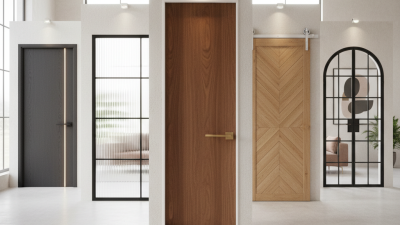
Who Are the Top Door Suppliers in China for USA Buyers?

For USA buyers, choosing a Chinese door supplier is not just a price comparison. It is a decision about specifications, communication, shipping, and performance after installation. The U.S. Census Bureau reported approximately 1.42 million housing starts in 2023, in its New Residential Construction data. That figure signals a large construction market, but it does not measure door imports or prove demand for any particular supplier.

Details matter. Buyers should compare construction materials, test documentation, finish consistency, packaging, production capacity, and replacement-part support. Ask for drawings and sample specifications before approving a production run. A low quotation can look attractive beside a warehouse sample; the real test comes when the delivered doors match the approved details. There is no single “top” factory for every project.

Architect Carl Elefante, a recognized voice in sustainable building, famously said, “The greenest building is the one that is already built.” His point is broader than door purchasing, but it offers a useful lens: durable, well-specified products can support longer building life. For doors usa projects, buyers should also verify that product claims and test reports apply to the exact model being purchased. A report for one configuration may not cover another.

This guide compares Chinese suppliers through practical criteria, including product range, export experience, customization, and quality controls. It is not a substitute for independent checks. Some supplier details can change quickly, and that deserves a second look. The best choice is the one that can document its promises—and deliver the same door that was approved.
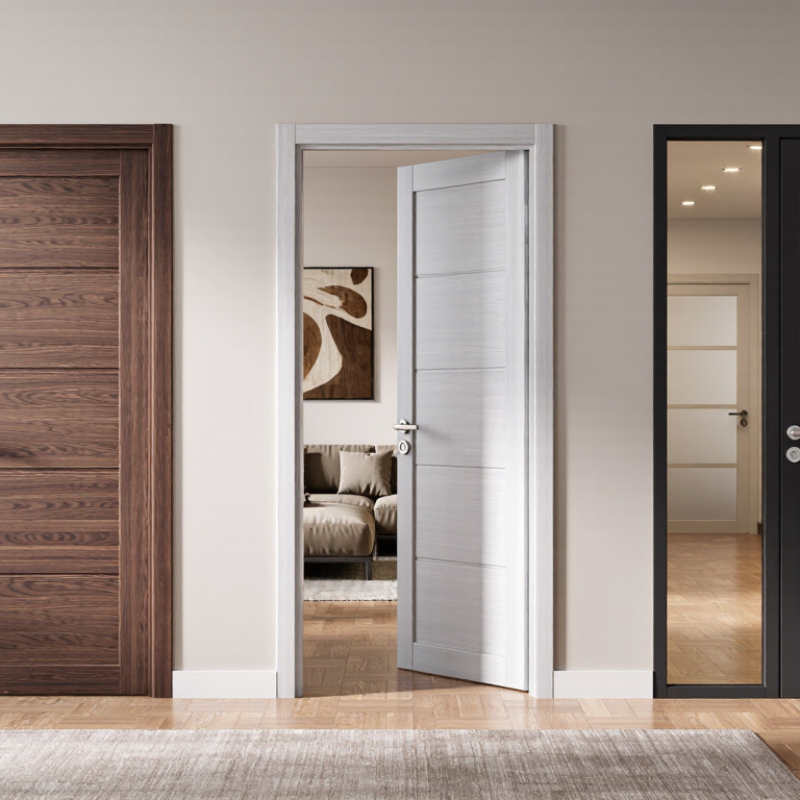
Who Are the Top Door Suppliers in China for USA Buyers?

China’s Door Manufacturing Landscape for U.S. Buyers

China’s door manufacturing landscape is broad, with factories focused on wooden interior doors, steel entry doors, aluminum systems, and custom projects. Some suppliers handle design, production, and packaging in one facility; others rely on outside workshops. The difference matters. A polished catalog does not show who controls the final inspection.

U.S. buyers should compare more than unit price. Ask for drawings with inch-based dimensions, core construction, finish samples, hardware details, and packaging photos. Check whether reported test results apply to the exact door configuration being quoted. A fire-rated assembly, for example, needs documentation for its tested components and installation conditions. Details matter. Also confirm lead times, minimum order quantities, spare-part availability, and how damage claims are handled.

A sample can reveal uneven paint near an edge, a loose hinge, or a door that feels heavier than expected. These small checks help, but they do not replace a factory audit or a written quality plan. Video calls are useful, yet they can miss production bottlenecks. I would not assume the largest supplier is automatically the safest choice; a smaller specialist may communicate better, though its capacity needs careful verification.

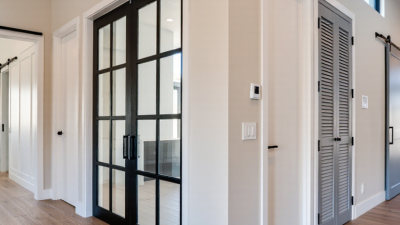
Key Criteria for Comparing Chinese Door Suppliers

For USA buyers, comparing Chinese door suppliers starts with the product, not the catalog. Match door type, core material, thickness, finish, and hardware to the project. Ask for drawings with exact dimensions and tolerances. A clear answer matters. Confirm whether quoted prices include frames, locks, glazing, and export packaging. Small omissions can change the landed cost.

Request recent test reports and check that they cover the same construction and configuration you plan to order. Verify applicable US project requirements with your architect or code professional; a supplier’s general claim is not enough. Inspect a sample for edge quality, finish consistency, hinge alignment, and how smoothly it closes. Samples are useful, but one sample cannot prove consistent production. Ask how the factory checks full orders and handles defects.

Look beyond the lowest quote. Compare production capacity, realistic lead times, payment milestones, warranty terms, and response speed. Ask for packing photos and details such as corner guards, moisture protection, and pallet dimensions. These details matter after a long shipment. Keep specifications and approved changes in writing. No scorecard is perfect. A polished presentation can still leave unanswered questions, so note what remains uncertain before placing an order.

Who Are the Top Door Suppliers in China for USA Buyers? - Key Criteria for Comparing Chinese Door Suppliers

Use this checklist to compare suppliers against your project requirements. It does not rank individual companies; requirements can vary by door type, application, building code, and location.

Comparison criterion What to compare Evidence to request Why it matters to USA buyers
Product and project fit Door type, material, dimensions, handing, finish, glazing, frame, and intended use. A written specification, dimensioned drawings, finish samples, and a confirmation of included components. A product suitable for one application may not meet the performance or installation needs of another.
Code and listing requirements Whether the specified assembly meets the project’s locally adopted building and fire codes. Applicable test reports and, where required, a verifiable listing and label for the complete assembly. Confirm acceptance with the project design professional or authority having jurisdiction. Code adoption and approval requirements vary by jurisdiction. For fire doors, ratings and permitted components apply to the tested or listed assembly, not just the door leaf.
Performance documentation Relevant performance for the application, such as air and water resistance, structural performance, thermal performance, or acoustic performance. Test reports that identify the tested product configuration, test method, laboratory, and results; compare like-for-like configurations. Performance claims are meaningful only when they apply to the specified product and test conditions.
Materials and environmental compliance Material composition, coatings, and whether regulated composite wood is used in the finished product. Material declarations and applicable compliance documentation. For products containing regulated composite wood, verify TSCA Title VI requirements, including applicable labeling and records. US requirements depend on the materials and product. Composite-wood rules can apply to covered products and finished goods.
Hardware and compatibility Hinges, locks, closers, panic hardware, seals, and compatibility with the specified door, frame, and access-control system. Hardware schedules, product data, preparation drawings, and required listings or ratings for the intended assembly. Mismatched hardware or preparation can affect installation, operation, security, and compliance.
Quality control and traceability Incoming-material checks, production inspections, final inspection, batch identification, and handling of defects. A documented inspection plan, sample inspection records, production photos, and a written corrective-action process. Clear checks and traceability make it easier to identify and resolve quality issues before shipment.
Samples and pre-shipment inspection Whether production samples can be approved and whether an independent inspection can be arranged before shipment. An approved reference sample, inspection checklist, acceptance criteria, and written agreement on inspection timing. Agreeing on appearance, dimensions, and workmanship before mass production helps reduce avoidable disputes.
Packaging and transport Protection against moisture, impact, abrasion, and movement during handling and ocean or domestic transport. Packaging specifications, loading photos, carton or crate markings, and instructions for storage and handling. Door slabs, finishes, and glazing can be damaged if packaging and handling are not suited to the shipment.
Commercial terms and landed cost Unit price, tooling, packaging, shipping terms, payment schedule, lead time, and any excluded costs. A line-item quotation with the named delivery term, shipment assumptions, and a clear list of inclusions and exclusions. A comparable landed-cost estimate needs consistent assumptions. Import duties and other charges depend on classification and current trade measures.
Lead time and communication Sample, production, inspection, and shipping schedules; response process; and handling of design changes. A milestone-based schedule, designated project contact, change-order process, and written update frequency. A clear schedule supports coordination with construction, installation, and delivery deadlines.
Warranty and after-sales support Warranty duration, exclusions, remedy for defects, replacement-part availability, and support after delivery. A written warranty, claims procedure, response-time expectations, and confirmation of who pays applicable replacement and freight costs. Written terms clarify the practical remedy if a product arrives damaged or develops a covered defect.

Comparison tip: Evaluate suppliers using the same drawings, specifications, compliance requirements, inspection plan, and delivery assumptions. Verify current requirements for the exact product and project before placing an order.

Leading Suppliers by Door Type and Manufacturing Specialty

For USA buyers, the best door supplier depends on the opening, performance needs, and installation conditions. Interior door specialists often produce solid-core, hollow-core, and engineered wood doors for homes and hotels. Ask about core construction, veneer matching, and moisture control. A sample can reveal uneven edges or color shifts that a catalog photo hides.

Steel-door manufacturers typically serve commercial projects, where frame fit, hardware preparation, and documented performance matter. Buyers should confirm that test reports and product specifications match the intended application; a supplier’s general claim is not enough. Aluminum and glass specialists are often better suited to storefronts and modern office entrances. Check glass thickness, finish consistency, drainage details, and packing protection.

Some factories focus on custom sizes, carved panels, or coordinated door-and-frame sets, while others rely on repeatable production runs. Details matter. Compare drawings, tolerances, lead times, and inspection records before approving an order. Request clear photos of corner joints and packaging, not only finished door faces. A small sample may still differ from a full production run, so keep that limitation in mind and agree on how defects will be recorded and handled.

U.S. Standards, Certifications, and Import Requirements

For U.S. buyers, a supplier’s test reports matter more than a broad claim of “American-standard quality.” Ask for the exact door model, materials, dimensions, and test configuration. For exterior units, check whether performance was evaluated under AAMA/WDMA/CSA 101/I.S.2/A440, where applicable, and request air, water, and structural test results. Energy performance should be supported by an NFRC label or certified rating when required by the project. The U.S. Energy Information Administration’s 2020 Residential Energy Consumption Survey reports that space heating used about 42% of household site energy. A door’s U-factor can therefore affect comfort and energy use, but ratings must match the actual glazing and frame. Details matter.

Import planning needs equal care. Confirm the correct HTS classification, country-of-origin marking, commercial invoice, packing list, and any applicable wood-packaging documentation with a customs broker. Building-code acceptance can vary by state, city, climate zone, and intended use; a certificate alone does not guarantee approval. Ask for English installation instructions, care guidance, and traceable production records. Check that the nameplate and test documents describe the shipment, not merely a similar sample. Some paperwork may look complete and still leave gaps. Reflect on those gaps before placing a deposit.

U.S. Door Requirements: ADA Clear Opening Width

How to read this chart: Under the U.S. ADA Standards, doors on accessible routes generally need at least 32 inches of clear opening width. Where the opening depth exceeds 24 inches, the minimum increases to 36 inches. These accessibility requirements apply where the ADA applies; they are not a universal specification for every imported door. Buyers should also verify applicable building, fire, energy, and local code requirements for the project.

How to Verify and Shortlist Potential Suppliers

Shortlist Chinese door suppliers by evidence, not showroom polish. Ask each candidate for its registered company name, factory address, export references, and a live video walk-through. Match those details across its business documents, invoice, bank account, and sample labels. Mismatches deserve a pause. The World Bank’s 2023 Logistics Performance Index ranked China 19th among 139 economies. That measures national logistics, not factory reliability.

Request third-party test reports for the exact door configuration, including frame, glass, hardware, and size. Check the test date, laboratory details, and whether the tested specimen matches your order; a report for a similar model proves little. The U.S. Department of Energy estimates that heat gain and loss through windows accounts for 25–30% of residential heating and cooling energy use. That figure concerns windows, not every door, so ask for relevant product-specific performance ratings. Request quality-control records, protective packaging details, and a pre-shipment inspection plan. I would approve a paid sample before a container order, though samples cannot reveal every production defect. Keep it practical. Record tolerances, finish, packaging, lead time, and remedies in the purchase specification. If answers stay vague, compare two suppliers against the same checklist.