How to Choose the Best Exterior Doors?

Choosing the best exterior doors is not merely a design decision. It affects comfort, security, moisture control, energy use, and long-term maintenance. The International Energy Agency reports that buildings consume about 30% of global final energy. The U.S. Department of Energy also notes that window-related heat gain and loss can represent 25% to 30% of household heating and cooling energy use. Doors form part of the same building envelope. Their performance deserves equal attention.

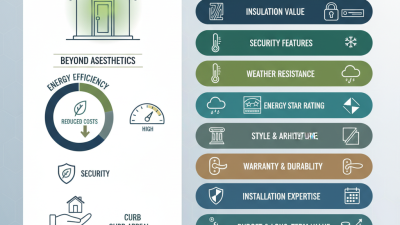
Look beyond color and price. Compare U-factor, air-leakage ratings, weather resistance, threshold design, and material durability. ENERGY STAR and NFRC guidance can help homeowners read performance information more accurately. A solid door may feel substantial, yet poor installation can still create drafts beneath the threshold. Small gaps matter. So does drainage.

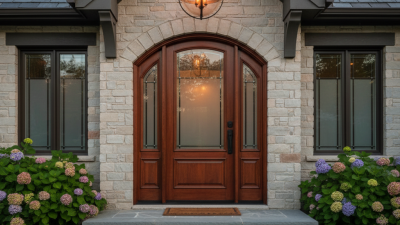
Building scientist Joseph Lstiburek is widely associated with a practical principle: “Buildings should be designed to dry.” That idea applies directly to exterior doors. A protected overhang, correctly sloped sill, sealed frame, and carefully integrated flashing can prevent hidden moisture damage. The best exterior doors should also match the local climate. Fiberglass may suit humid conditions, while insulated steel can offer strong thermal performance at a lower cost. Wood remains attractive, but it needs disciplined maintenance.

There is no perfect door for every home. A beautiful model can fail when its frame is poorly fitted. Even published ratings cannot replace skilled installation. Evaluate the complete system, not just the slab. That is where many buying guides become too simple.
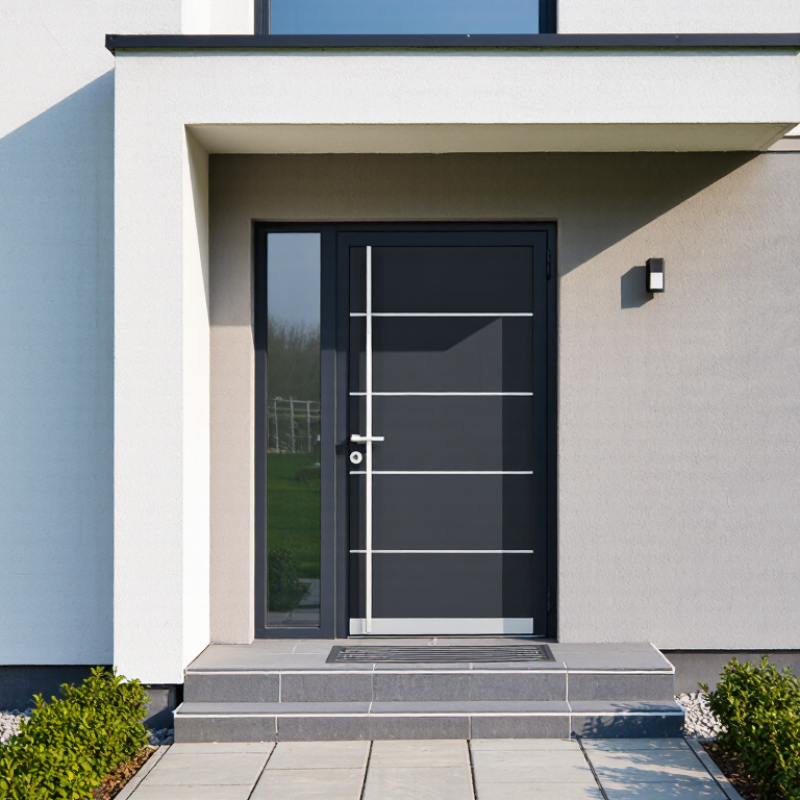
How to Choose the Best Exterior Doors?

Assess Your Home’s Exterior Door Requirements

How to Choose the Best Exterior Doors?

Assess Your Home’s Exterior Door Requirements

Start with the doorway and the weather it faces. Measure the frame’s width, height, and depth, including the threshold. A door that looks close in size may still leave gaps or require costly adjustments. Note whether the entrance gets direct afternoon sun, driving rain, or cold drafts. These details affect material choice, finish, and insulation needs. Also consider daily use: a busy family entrance may need a durable surface that is easy to clean, while a shaded side door may have different priorities.

Tips: Stand near the closed door on a windy day and check for drafts around its edges. Look for swelling, peeling paint, or water marks on the frame. These clues may point to installation or drainage issues, not just a door problem. I once assumed a sticky door needed replacing; humidity and a misaligned latch were part of the trouble. It’s worth checking.

Think about security, daylight, privacy, and accessibility together. Glass panels can brighten a dim entry, but their placement should suit your privacy needs. Check that locks, hinges, and the frame work as a complete system. If the opening is unusually shaped or the threshold needs modification, ask a qualified installer to assess it before ordering. Measurements are easy to underestimate. A little caution here can prevent an expensive mismatch.
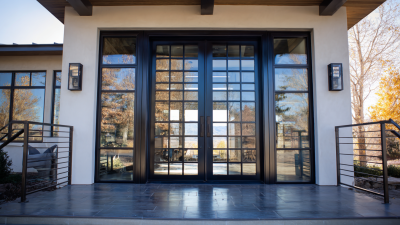
Compare Door Materials, Construction, and Energy Efficiency

How to Choose the Best Exterior Doors?

Choosing an exterior door starts with your climate, not its appearance. A solid wood door feels warm and substantial, but it may swell during wet seasons. Fiberglass resists moisture and offers a stable surface. Steel provides strong security and usually costs less, though scratches can expose it to rust. I once inspected a steel door with a small lower-edge gap. Cold air entered there all winter.

Construction matters as much as the material. Check whether the door has a reinforced frame, adjustable hinges, and a tight-fitting threshold. Multi-point locking hardware can reduce movement around the edges. Glass panels need careful attention. Double-pane low-emissivity glass usually insulates better than single-pane glass. However, large glass areas can still increase heat loss, even with efficient glazing.

Energy performance should be measured, not guessed. Look for a certified U-factor, which indicates heat transfer through the door assembly. Lower numbers generally mean better insulation. Also check air leakage ratings and the quality of the weatherstripping. Run your hand around the closed door on a windy day. A visible draft signals a fitting or seal problem. Local climate and building requirements may change the best choice. A highly insulated door can disappoint if the frame is poorly installed. Even experienced homeowners sometimes focus on the slab and overlook that detail.

Choose the Right Door Style, Size, and Opening Configuration

Choosing an exterior door starts with the opening, not the catalog image. Measure width, height, jamb depth, and swing direction from the finished floor. The 2024 International Residential Code commonly requires 32 inches of clear width for required egress doors, but local adoption can differ. Leave installation tolerance for shims and insulation.

Style should support the building’s proportions. A solid door suits privacy and busy streets, while glass panels bring daylight into a dim hallway. According to the U.S. Department of Energy, controlled air leakage improves comfort and reduces energy waste. Weatherstripping and a properly adjusted threshold matter more than decorative glass alone. I have seen beautiful doors perform poorly because the frame was slightly twisted.

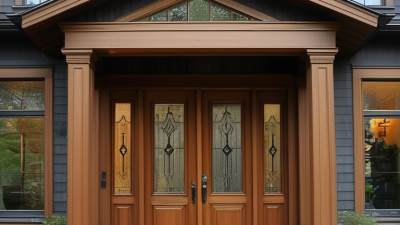
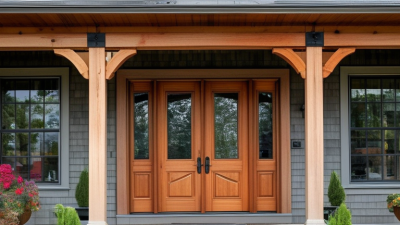
Opening configuration also affects daily use. A single hinged door works well in narrow entries. Double doors create a generous passage, but their meeting edge needs careful sealing. A sidelight can brighten the foyer without consuming floor space. The National Fenestration Rating Council recommends comparing tested performance values, including air leakage and U-factor, rather than relying on appearance. Do not guess the handing. Stand outside, face the door, and note where the hinges sit. Small mistakes become expensive after delivery.

Evaluate Security Features, Weather Resistance, and Maintenance

Choosing an exterior door starts with security, not decoration. The FBI’s 2023 Crime Data Explorer recorded 847,522 burglary offenses in the United States. A solid core, reinforced frame, and multi-point lock can reduce weak spots. Check the strike plate screws, too. Short screws often fail under force. A door viewer, laminated glass, and properly fitted hinges add useful resistance without making the entry feel severe.

Weather performance deserves equal attention. NOAA’s National Centers for Environmental Information reported 28 U.S. billion-dollar weather and climate disasters in 2023. That record makes wind, rain, and temperature changes practical concerns. Look for tested water penetration, wind-load, and air-leakage ratings. The National Fenestration Rating Council uses U-factor and solar heat gain coefficient values to compare thermal performance. Lower U-factor generally means less heat moves through the assembly. However, installation matters just as much. A well-rated door can still leak around an uneven threshold.

Maintenance should be visible and manageable. Inspect weatherstripping each season, especially after a cold winter. Replace cracked seals before drafts become obvious. Fiberglass and properly finished steel usually need less frequent attention than exposed wood, but no material is maintenance-free. Hinges may need light lubrication, while drainage channels must remain clear. The honest caveat: security hardware can be excellent, yet a neglected frame still undermines the whole system. Check the fit twice. Small gaps often reveal bigger problems.

Plan Your Budget, Installation, and Long-Term Care

Choosing an exterior door starts with a realistic budget, not a showroom finish. The 2023 Cost vs. Value Report placed average steel entry-door replacement costs at $2,214, with an estimated resale value of $4,430. Regional labor and structural repairs can change those figures sharply. Reserve money for framing, disposal, trim, and unexpected water damage.

Installation affects performance as much as the door itself. The U.S. Department of Energy estimates air leakage may represent 5% to 30% of household energy use. A poorly sealed threshold can waste comfort and invite moisture. Measure twice. Check the rough opening, sill slope, wall condition, and door swing before ordering. The National Fenestration Rating Council label helps compare U-factor and solar heat gain, but ratings do not replace careful installation.

Long-term care should enter the budget on day one. Inspect weatherstripping each year, tighten loose hardware, clear weep holes, and renew exposed sealant when it cracks. Fiberglass and steel surfaces still need washing; neglect is not maintenance-free. A perfect payback calculation is impossible because climate, traffic, and workmanship vary. That is an uncomfortable limitation. Still, documenting installation photos, product ratings, and service dates makes future repairs easier and supports a more reliable decision.