Top 10 Dutch Doors for Global Buyers in 2026?
In recent years, the demand for dutch doors has surged, capturing the interest of global buyers. According to a 2022 market research report by Global Door Insights, the dutch doors segment is projected to grow by 15% annually. This trend is driven by rising interest in unique, functional home designs. Experts in the industry emphasize the versatility of these doors for both aesthetic and practical purposes.
Renowned architect and designer, Emily Hart, states, “Dutch doors blend style with functionality, making them ideal for modern homes.” These doors offer a perfect solution for homeowners seeking to enhance indoor-outdoor connectivity. They can be used in various settings, from kitchens to gardens. However, not all dutch doors are created equal. Buyers should consider factors like material quality and insulation properties carefully.
The market is filled with options, making choices overwhelming. Potential buyers need to reflect on their specific needs and the style of their homes. Quality varies widely, and there are mistakes to avoid. Investing in the right dutch doors could dramatically enhance a home's aesthetic and utility. With the right approach, homeowners can make informed decisions in this evolving market.
Overview of Dutch Doors: History and Functionality
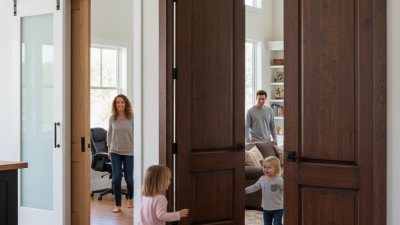
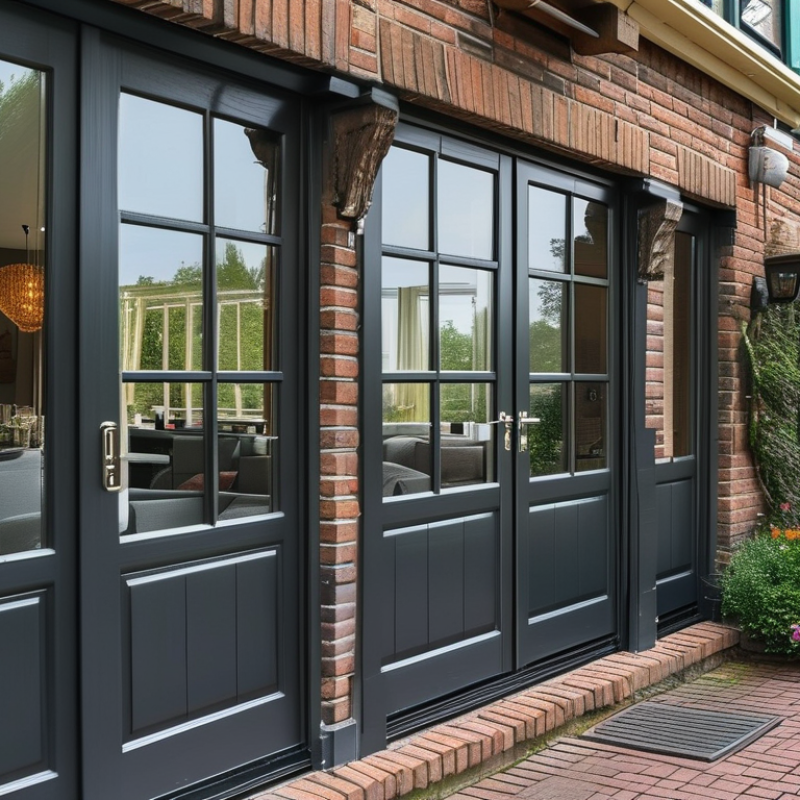
Dutch doors have a rich history, originating in the Netherlands. They were designed to keep animals in while allowing fresh air and light into homes. The unique two-part door design allows for versatile use. The top half can open independently, offering ventilation without compromising security. This functionality has made them popular in various architectural styles, especially in rural and farmhouse settings.
While Dutch doors are charming, their practicality can vary. Some homeowners find them less secure than traditional doors. The gap between the sections might raise concerns about safety. Additionally, they may require more maintenance. Wooden doors can warp over time, and proper sealing is essential to prevent drafts. They can be attractive but also need thoughtful placement. In areas with harsh weather, they might not perform optimally. Each home has unique needs, making it vital to evaluate if a Dutch door fits well.
Top 10 Dutch Doors for Global Buyers in 2026
| Door Model |
Material |
Dimensions (H x W) |
Color Options |
Price Range |
| Classic Oak |
Oak Wood |
80" x 36" |
Natural Oak, Stained Brown |
$600 - $800 |
| Modern Glass |
Aluminum & Glass |
84" x 40" |
Clear, Frosted |
$1000 - $1200 |
| Rustic Pine |
Pine Wood |
76" x 32" |
Weathered Grey, White |
$450 - $600 |
| Vintage White |
Composite Wood |
80" x 36" |
Pure White, Pastel Colors |
$700 - $900 |
| Contemporary Black |
Steel |
84" x 36" |
Matte Black |
$850 - $1100 |
| Country Charm |
Cedar Wood |
78" x 34" |
Rustic Red, Green |
$550 - $750 |
| Eco-Friendly |
Reclaimed Wood |
82" x 38" |
Earth Tones |
$700 - $900 |
| Artisan Handcrafted |
Hardwood |
80" x 36" |
Custom Stains |
$1200 - $1500 |
| Urban Style |
Fiberglass |
84" x 40" |
Colors Available |
$900 - $1100 |
| Classic Blue |
Wood |
76" x 34" |
Blue, Yellow |
$500 - $700 |
Key Features to Consider When Choosing Dutch Doors
When selecting Dutch doors, various features require attention to ensure the ideal fit for your space. One key aspect is material. Options vary from wood to fiberglass. Wood offers warmth but necessitates regular maintenance. Conversely, fiberglass is durable and low-maintenance, appealing for busy households.
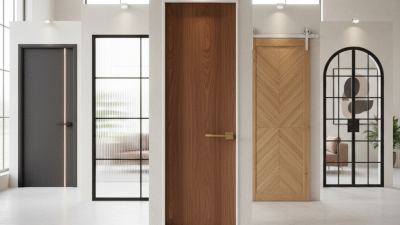
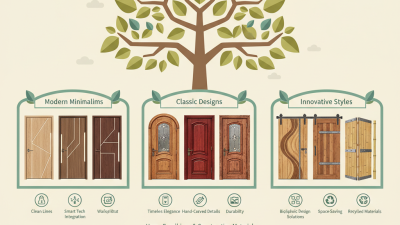
Another crucial feature is design. Consider your home's architectural style. Traditional homes may benefit from classic styles, while modern homes may suit sleek designs. The color choice also matters. A well-chosen hue can enhance curb appeal. Think about how the door’s appearance aligns with your outdoor decor.
Functionality is paramount. Consider the door’s usage. Will it serve as an entryway or a garden view? Adjustable heights can encourage flexible use. Safety is essential—look for secure locking mechanisms. Reflecting on these features can ensure the Dutch door you choose enhances your home’s character while marrying aesthetics with practicality.
Top 10 Dutch Door Designs for 2026: A Buyer’s Guide
As global buyers look towards 2026, Dutch doors are making a significant impact in the home design market. A recent industry report predicts a steady growth of 4.5% in the residential door segment. This growth is driven by increasing home renovations and a desire for unique architectural elements. Dutch doors, which feature a split design, allow for flexible use, connecting indoor and outdoor spaces effectively.
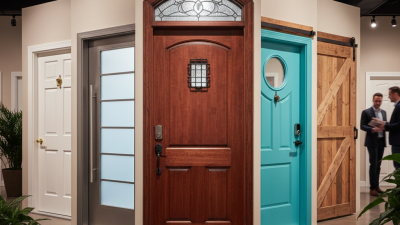
Creating a stylish entryway with a Dutch door can transform your home's aesthetic. Consider designs featuring vibrant colors or decorative glass panels. A report by the National Association of Home Builders highlights the appeal of customization in modern door designs. Many homeowners are seeking energy-efficient options too, reflecting a trend towards sustainability.
Tips: When choosing a Dutch door, consider the climate. Selecting materials that withstand local weather conditions is crucial. Additionally, think about the door's function – will it serve as an entryway or a garden access point? Reflect on how to balance functionality with style. Evaluating these aspects will ensure you invest wisely.
Materials and Sustainability: Best Options for Dutch Doors
When considering Dutch doors for 2026, materials matter significantly. Wood, a classic choice, brings warmth and charm. However, it requires regular maintenance to prevent weather damage. Many homeowners enjoy the aesthetic appeal of wood, but its sustainability can vary. Look for responsibly sourced options to ensure environmental integrity.
Fiberglass and steel are alternatives gaining traction. They offer durability and low maintenance, making them suitable for various climates. Fiberglass, in particular, can mimic the look of wood. Still, some users find it lacks the authentic feel of natural materials. Steel can be energy-efficient but may suffer from rust if not properly treated.
Recycled materials also present innovative choices. They reduce waste and appeal to eco-conscious buyers. While these options can be sustainable, their performance may not always match traditional materials. It’s essential for buyers to consider their needs versus potential compromises. Each material presents unique benefits and drawbacks, urging consumers to reflect on their preferences and values.
Top 10 Dutch Doors for Global Buyers in 2026
Global Trends in Dutch Door Customization and Style
Dutch doors are becoming increasingly popular among global buyers in 2026. These charming doors blend functionality and style. The customization options cater to diverse tastes. Homeowners can choose different materials, colors, and finishes. Each door can reflect personal style, adding character to any space.
The trend also leans towards sustainability. Many buyers prefer eco-friendly materials for their Dutch doors. This shift reflects a growing awareness of environmental impact. While aesthetics matter, durability and energy efficiency are also key considerations. Striking a balance between style and practicality remains a challenge.
Interestingly, the practicality of Dutch doors shines in various settings. They are ideal for homes, cafes, and boutiques. However, customization can sometimes feel overwhelming. Homeowners might question which features best suit their needs. Exploring different combinations can lead to second guesses. Ultimately, choosing the perfect Dutch door can be a reflective journey.