Wpc Decking Price Philippines Insights from Canton Fair 2026
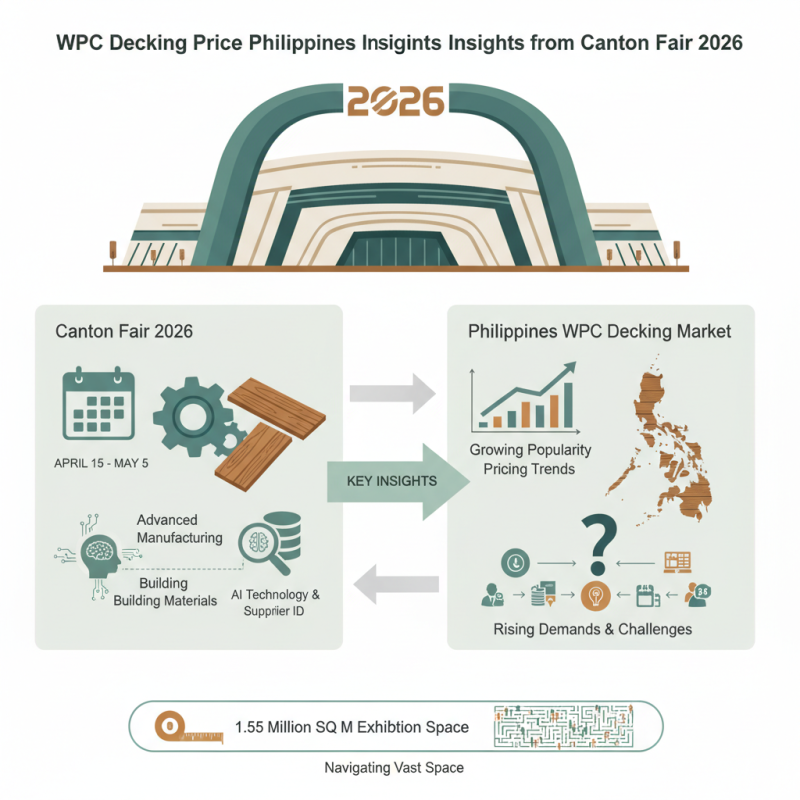
The 2026 Canton Fair offers key insights into the Wpc Decking Price Philippines. Scheduled from April 15 to May 5, this fair emphasizes various sectors. The showcase includes advanced manufacturing and building materials.
Wpc decking is gaining popularity in the Philippines. Many buyers are eager to learn about pricing trends. The fair incorporates AI technology to enhance decision-making. This advancement allows for swift identification of certified suppliers.
Attendees must navigate a vast exhibition space. It spans 1.55 million square meters. As buyers seek specific products, the efficiency of the fair becomes critical. Reflecting on these developments, the Wpc decking market may grow, yet challenges remain. How will businesses meet rising demands in a competitive landscape?
WPC Decking Market Overview in the Philippines in 2026
The WPC decking market in the Philippines is evolving rapidly as of 2026. More builders are considering this material due to its durability and aesthetic appeal. Many see it as a viable alternative to traditional wood decking. However, the pricing landscape remains a bit uncertain.
At the Canton Fair 2026, various suppliers showcased their products. Prices vary significantly based on quality and design. Some attendees noted that while some options are budget-friendly, others are quite expensive. It's essential for buyers to weigh their options carefully. For instance, low-cost products might compromise on quality.
A few contractors expressed concern about long-term maintenance costs. While initial prices for WPC decking can be attractive, ongoing care must also be considered. This creates a dilemma for potential buyers. Balancing upfront costs with future needs can be challenging. Making an informed decision in this market requires thoughtful consideration.
Key Factors Influencing WPC Decking Prices at Canton Fair 2026
WPC decking prices at the Canton Fair 2026 are influenced by numerous factors. One crucial element is material availability. The fair showcases various suppliers from around the world. This increases competition and can lower prices. However, if supplies decrease, prices may surge.
Another factor is the quality of the products. Premium WPC decking often comes at a higher price. Buyers should carefully consider the long-term benefits of investing in quality materials. Cheaper options might require frequent replacements or repairs. It’s important to analyze the overall value rather than just the upfront costs.
**Tips:** Always compare different suppliers. Look for reviews on material durability. Attend workshops to better understand what's best for your project. Education can lead you to smarter purchasing choices.
Local trends also play a role. If certain designs or colors become popular, prices may rise. It reflects the demand in the Philippines market. Buyers need to remain adaptable to shifting trends and price fluctuations. Keep an eye on your budget while shopping. Sometimes, a little compromise can lead to great savings.
Comparative Analysis of WPC Decking Prices: Philippines vs. Global Markets
The WPC decking market is evolving. Observations from the Canton Fair 2026 reveal significant differences in pricing. In the Philippines, WPC prices are competitive compared to global standards. However, the local market faces unique challenges. High shipping costs increase overall expense. Additionally, fluctuating currency rates can influence final prices.
Global markets offer a variety of prices for WPC decking. In Europe, prices can be much higher. Much of that is due to increased demand and stringent regulations. In contrast, the Philippines benefits from lower production costs. However, quality variations can pose issues. Many companies must navigate these quality concerns as they seek to remain competitive.
A comparative analysis shows that while the Philippines has an emerging market, improvements are needed. Quality control and consistency are vital for sustainable pricing. Learning from global practices may help local producers enhance their offerings. Creating a balance between cost and quality could establish a stronger foothold.
Projected Growth Trends for WPC Decking in the Philippine Construction Sector
The WPC decking market in the Philippines is poised for significant growth. Emerging trends from the Canton Fair 2026 indicate a rise in demand for eco-friendly building materials. WPC, or wood-plastic composite, offers durability and sustainability, aligning well with current consumer preferences. The construction sector is increasingly leaning towards these materials due to their versatility.
When considering WPC decking, it’s essential to assess long-term costs. While the initial investment may be higher, maintenance is generally lower than traditional wood. Installation processes may require specialized skills. This could lead to unexpected costs if not planned properly. Ensure that your contractor is experienced with WPC products.
Tips: Always compare several suppliers before making a decision. Look for quality certifications to avoid subpar materials. Understand the local climate as it can affect the longevity of your deck. Ensure that you are informed about different grades of WPC while making your choice. Mistakes in selection can lead to dissatisfaction down the line.
WPC Decking Price Trends in the Philippines
This bar chart illustrates the projected growth of WPC decking prices in the Philippines from 2019 to 2026. The data indicates a steady increase in market price per square meter, reflecting the rising demand and adoption of WPC materials in the construction sector. By 2026, the price is projected to reach approximately PHP 2000 per square meter.
Sustainable Material Trends: The Rise of WPC Decking Demand in the Philippines
The demand for Wood Plastic Composite (WPC) decking is on the rise in the Philippines. According to a recent market report, the WPC decking industry is anticipated to grow by over 10% annually. This growth reflects an increasing preference for sustainable building materials, especially in construction. WPC offers durability and resistance to environmental factors, which is ideal for the tropical climate of the Philippines.
One crucial insight from the Canton Fair 2026 highlights the ongoing transition towards eco-friendly products. Many businesses are shifting focus to sustainable materials. WPC, being a blend of wood fibers and recycled plastic, stands out as a viable alternative. It not only reduces waste but also minimizes reliance on traditional timber. This shift responds to a growing consumer awareness about sustainability.
While WPC decking is gaining popularity, challenges still exist. Some products struggle with quality variations. Unsustainable sourcing of raw materials remains an issue. There is a need for clearer standards and certifications to assure customers. As the WPC market develops, consumers and manufacturers must work together to address these challenges. The future of WPC decking in the Philippines looks promising, but ongoing reflection and improvement are crucial.