Top Wood Door Design Ideas for Your Home Interior?
Wood door design can vastly enhance the aesthetic of your home. Choosing the right design is crucial. It’s not just about functionality; it's about creating a welcoming environment.
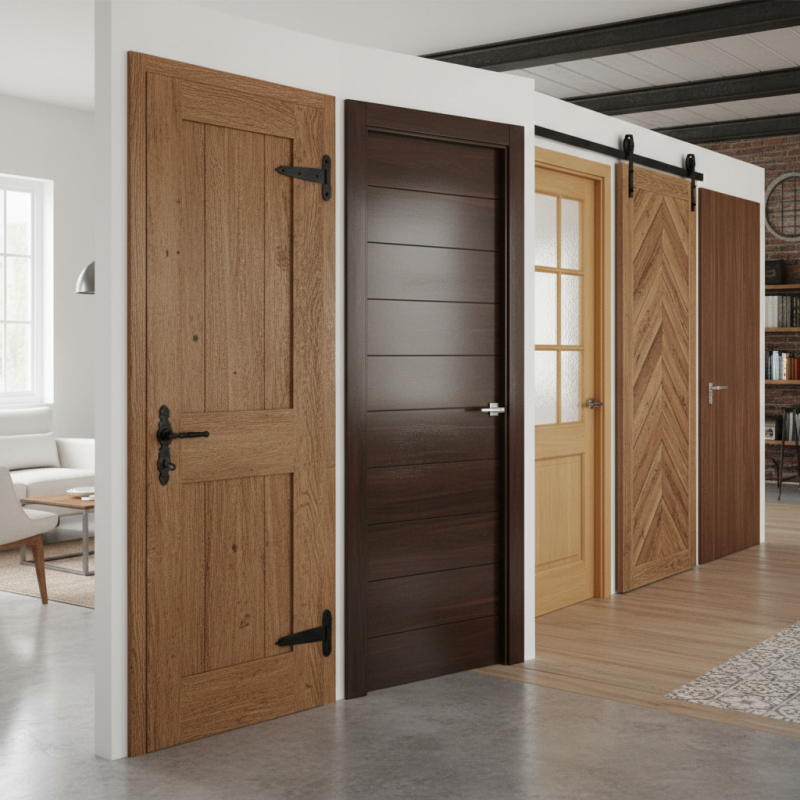
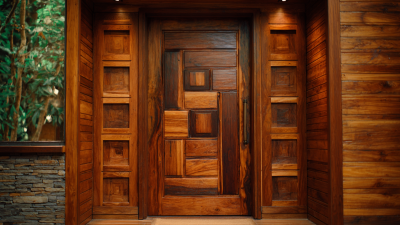
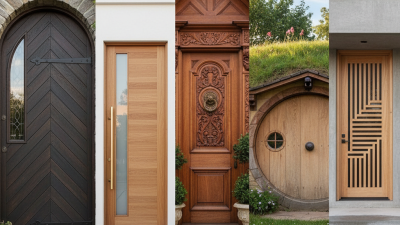
Many styles exist, from rustic to modern. Each wood door design offers unique characteristics. A rustic door may add warmth, while a sleek, contemporary design can impart elegance. The material and finish also play significant roles. They can reflect your personality and taste.
It's easy to feel overwhelmed by choices. You may question what suits your space best. Consider your interior style and color palette. Remember, the door is a focal point. It should harmonize with your room. Though options are plentiful, sometimes a simpler design works wonders. Reflect on your preferences and the mood you want to create.
Top Wood Door Styles for Modern Home Interiors
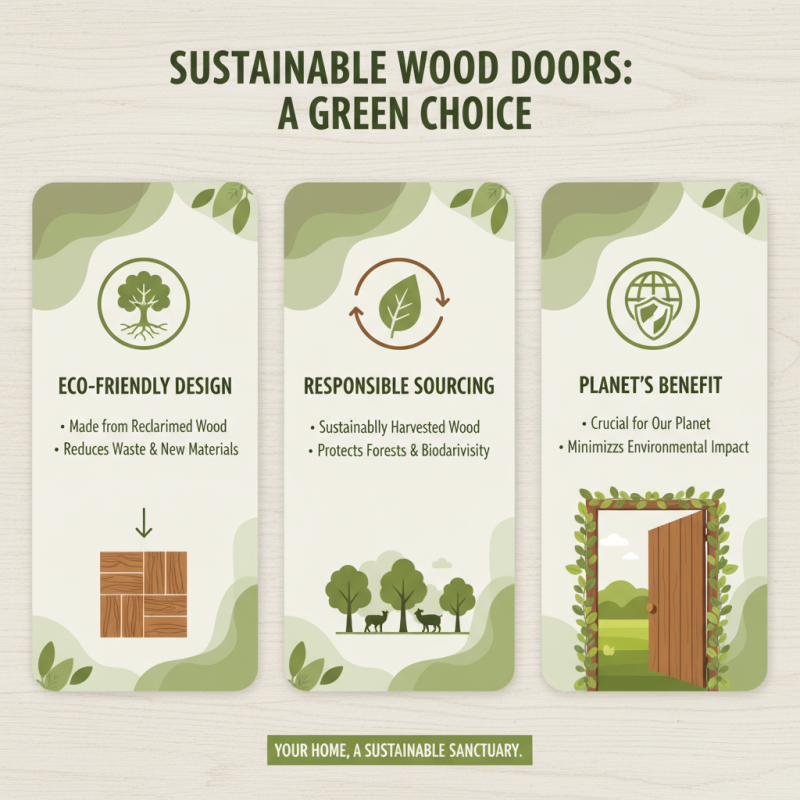
When considering wood door styles for modern home interiors, the options are as varied as personal preferences. Wood doors can add charm and warmth to any space. In fact, according to a report by the National Association of Home Builders, over 65% of new homes feature solid wood doors due to their aesthetic appeal and durability.
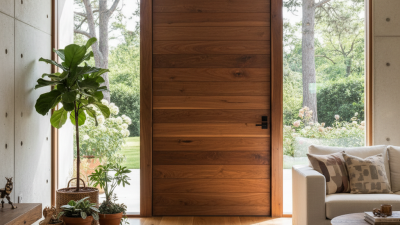
Popular styles include minimalist designs, which emphasize clean lines and natural finishes. This approach resonates particularly with the growing trend of sustainable living. Many homeowners seek unfinished wood doors to ensure a unique, rustic look. Additionally, bi-fold and pocket doors are becoming favored choices in urban settings, maximizing space while maintaining style.
Still, not all wood doors are created equal. Some may warp or fade over time, leading to frustration. Modern design requires an understanding of both aesthetics and functionality. A recent survey indicated that nearly 25% of homeowners reported issues with their wood doors, highlighting the importance of choosing quality materials. Observing these details can enhance a home’s overall appeal.
Choosing the Right Wood Type for Your Interior Doors
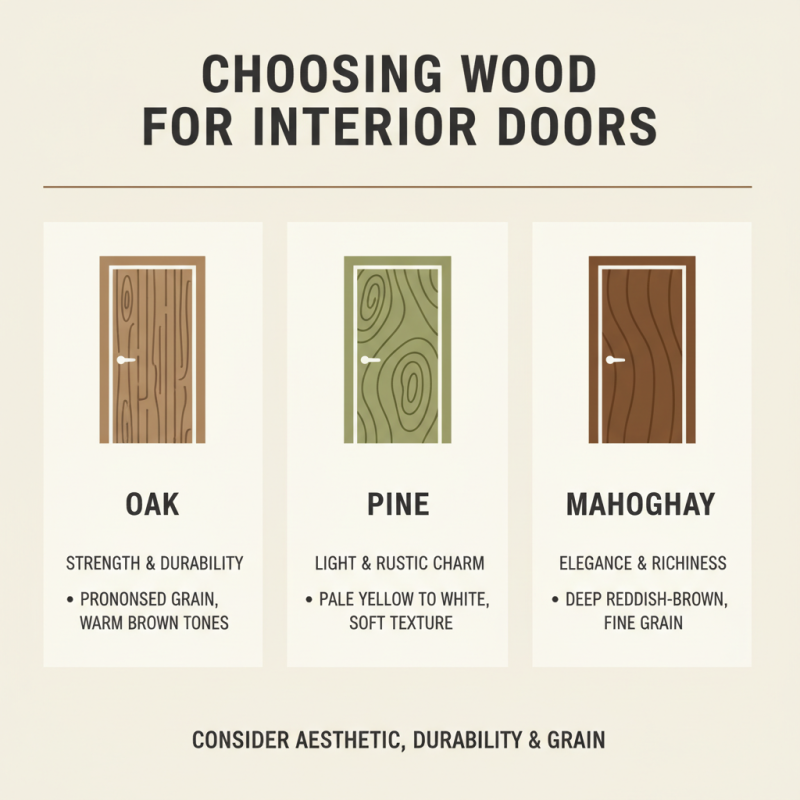
Choosing the right wood type for your interior doors can significantly impact your home’s aesthetic. Different types of wood bring unique textures and visual warmth. For example, oak exudes strength and durability, while pine offers a lighter, more rustic charm. Each species varies in color and grain, affecting overall ambiance.
Hardwoods like cherry and walnut are often favored for their rich tones and fine grain. They stand out beautifully but might be pricey. Softer woods, like fir or cedar, can be economical options but may dent or scratch more easily. It’s essential to weigh the visual appeal against practicality.
Consider the style of your home when selecting wood. A modern space might benefit from sleek, minimalist doors made of birch. In contrast, a traditional setting may call for the elegance of mahogany. Remember that each choice carries its imperfections. Wood can warp over time or may require regular treatment to maintain its luster. Reflecting on these aspects will guide you towards the perfect selection for your interior doors.
Incorporating Color and Finish in Wood Door Design
Wood doors can elevate any interior space. The right color and finish can make a significant difference in the overall design. Consider warm tones like walnut or cherry for a cozy feel. Alternatively, cooler shades such as oak or ash can bring a modern touch.
Tips: Think about the room's style. A rustic area may favor stained finishes, while a contemporary space might benefit from sleek paint. A bold color can stand out, but subtle hues add elegance. Remember to take sample swatches home. Test them against your walls and furniture before deciding.
Different finishes also help achieve varied appearances. Matte finishes offer a more understated look. Glossy options reflect light and create a striking visual effect. Each finish has its pros and cons. For instance, gloss can show fingerprints easily. Conversely, matte finishes might hide imperfections but can be harder to clean. Finding the right balance takes time and reflection.
Unique Hardware and Accents for Wood Doors
When designing wood doors, unique hardware and accents can make a significant difference. According to a recent survey from the National Association of Home Builders, about 70% of homeowners consider door hardware a major design element. It's not just functional; it enhances the door's aesthetic. Options like vintage knobs, sleek handles, and intricate hinges add personality.
Choosing the right hardware is crucial but often overlooked. Distressed finishes or ornate designs might clash with modern decor. A well-chosen piece can enhance the door’s design, while a poor choice can detract from it. Characteristics like material and texture should also be considered. For instance, brushed metals or matte black finishes can complement natural wood beautifully.
Accents like
transom windows or decorative moldings also define the door's character. These elements can provide depth and visual interest. However, many homeowners forget that too many accents may overwhelm the space.
Balance is key. Combining simplicity with unique touches requires careful thought. Finding that harmony can elevate your interior design.