Why Choose Panel Wood for Your Next Project?
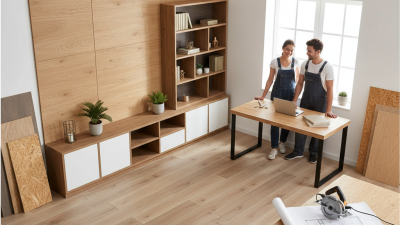
When embarking on a new project, choosing the right materials is crucial. One excellent option is panel wood. This versatile material offers numerous benefits for various applications. Its adaptability makes it suitable for both design and durability. Panel wood can be used in furniture, cabinetry, and flooring, appealing to both aesthetics and functionality.
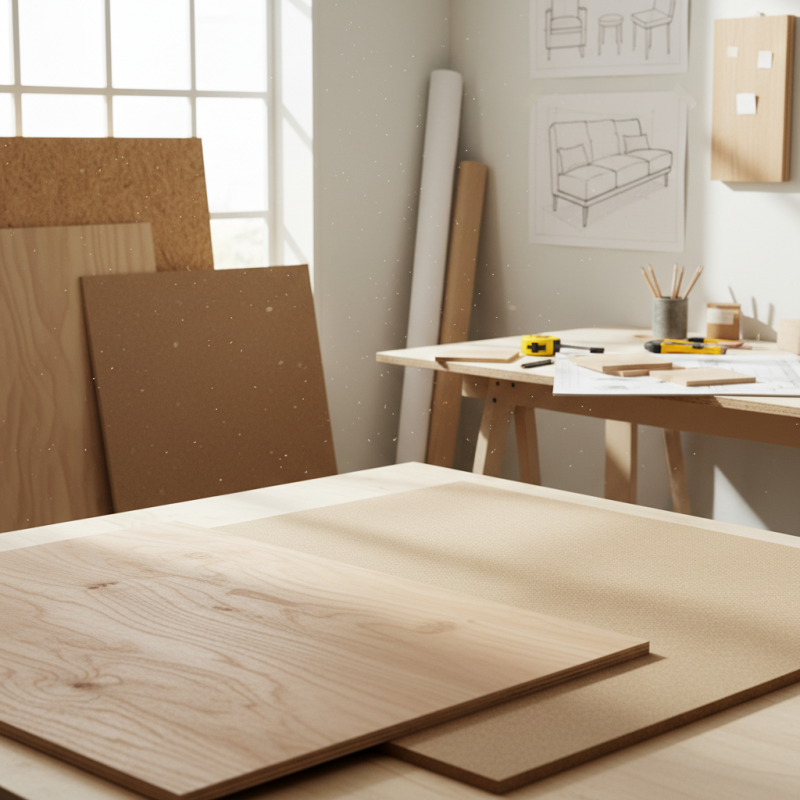
The choices in panel wood types, such as plywood, particleboard, and MDF, bring unique characteristics to your project. Each type has its strengths and weaknesses. While plywood is strong, MDF provides a smoother finish. It’s essential to weigh these factors carefully. Understanding the properties of panel wood will guide you in making informed decisions.
Mistakes can happen. Sometimes, the wrong type might be chosen due to a lack of knowledge. Conducting thorough research is vital. Look at recent trends and innovations in panel wood. These insights contribute to a more reliable choice. As you consider panel wood, remember its potential and limitations. Embrace the process of discovery as you create something remarkable.
Benefits of Using Panel Wood in Construction Projects
Panel wood is becoming a popular choice in construction projects due to its versatility and cost-effectiveness. This material offers a range of benefits, making it ideal for various applications. Panel wood is lightweight, making it easier to handle and transport. This characteristic can significantly reduce labor costs on projects.
One of the key benefits of panel wood is its durability. Properly treated, it can withstand environmental factors, such as moisture and pests. This reliability makes it suitable for both indoor and outdoor use. Additionally, panel wood can be customized easily. You can find a range of finishes and styles, ensuring that it meets specific design requirements.
Tips for using panel wood effectively include ensuring proper storage to avoid warping. Always keep panels flat and dry before installation. This practice helps maintain their structural integrity. Another tip is to use the right adhesives and fasteners. Choosing the proper materials can enhance the strength of the wooden panels. While panel wood is often a wise choice, be mindful of potential limitations like aesthetic appeal in high-end projects. Being aware of these factors allows for better decision-making.
Cost-Effectiveness: Comparing Panel Wood to Traditional Materials
When considering materials for your next project, panel wood stands out as a cost-effective option. It provides a unique balance of affordability and quality. Compared to traditional materials like solid wood or metal, panel wood is generally more budget-friendly. Many contractors find it easy to source and work with, reducing labor costs.
Panel wood also offers versatility in design. It can mimic the look of solid wood without the hefty price tag. For example, it can be finished in various ways to match different aesthetics. Yet, it is important to note that panel wood may not have the same durability as traditional materials. This can lead to long-term maintenance concerns. A project that looks fantastic initially might require more upkeep over time.
Ultimately, while panel wood can save money upfront, consider its limitations. It may not withstand wear and tear as well as solid options. Therefore, carefully weighing your project's needs against these factors is essential. You might find that the savings justify the choice, or perhaps you will opt for a more durable alternative.
Environmental Impact: Sustainability of Panel Wood Options
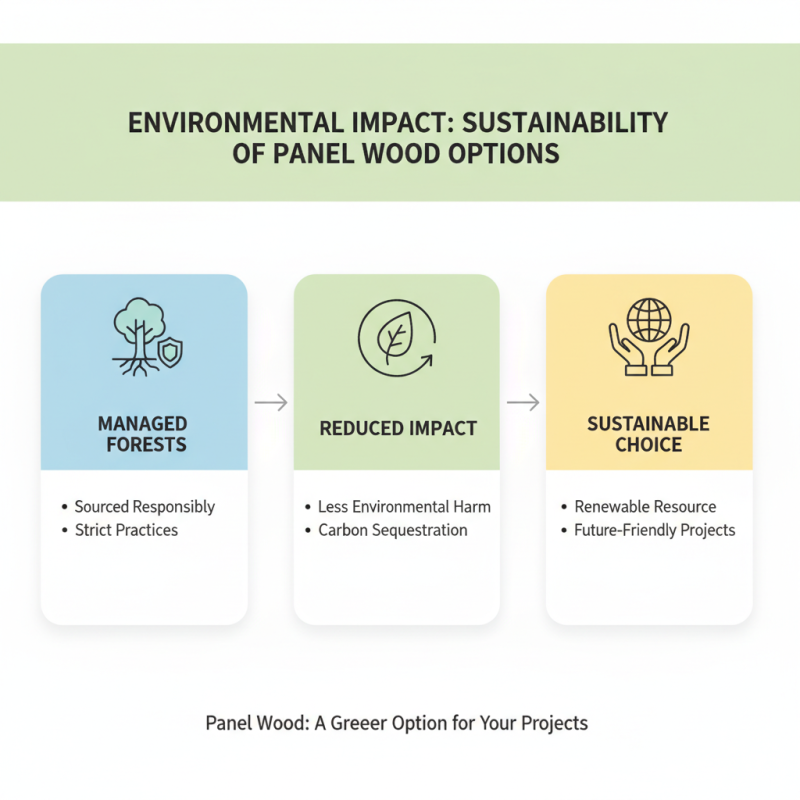
When considering the sustainability of your next project, panel wood offers an intriguing option. Many forms of panel wood are sourced from managed forests. These forests adhere to strict sustainability practices. Using panel wood can significantly reduce the impact on the environment.
However, not all panel wood is created equal. Some options may come from less sustainable sources. It is crucial to understand the origin of the wood. Knowing where your materials come from can help make responsible choices. Additionally, panel wood composites can be made from recycled materials, which decreases waste.
Choosing the right panel wood requires careful thought. Assessing the carbon footprint and environmental policies of suppliers is vital. While panel wood presents many advantages, each choice should reflect a commitment to sustainability. This reflection can lead to more informed and responsible project decisions.
Versatility of Panel Wood in Various Design Aesthetics
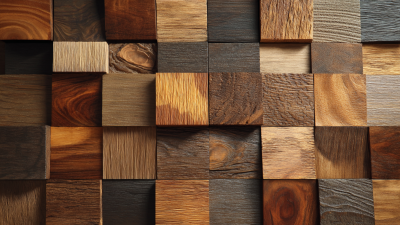
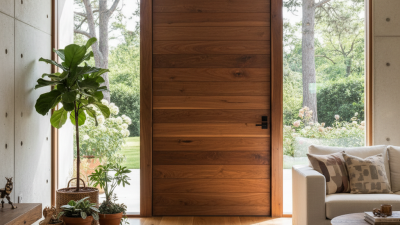
Panel wood is a versatile material that fits seamlessly into various design aesthetics. It offers a wide range of textures, colors, and patterns. Whether you aim for a rustic farmhouse vibe or a sleek modern look, panel wood can adapt to your vision. Its natural grain can enhance warmth in a space. Alternatively, a smooth finish lends a contemporary touch.
Using panel wood allows designers to experiment with scale and layout. Large panels can create dramatic feature walls. Smaller pieces can be used for intricate details, like trim or cabinetry. However, consistent quality is essential. Not all panel woods are created equal. Some may warp or wear poorly over time. It’s crucial to select reliable sources for your project.
The beauty of panel wood lies in its imperfections. Knots, splits, and variations can add character. These elements remind us that nature is not uniform. Embracing these quirks can elevate a design. They tell a story and connect a space to the environment. Balancing aesthetic appeal with practical considerations elevates any project.
Durability and Performance Metrics of Panel Wood Products
Panel wood has gained popularity due to its impressive durability and performance metrics. This engineered material consists of layers of wood, providing strength and stability. Unlike solid wood, panel wood resists warping and shrinking. This makes it a reliable choice for various applications, from furniture to cabinetry.
One notable aspect is its resistance to moisture. Many panel wood products undergo treatment to enhance their durability against water damage. This treatment allows them to be used in kitchens and bathrooms, areas typically prone to humidity. However, not all panel woods perform equally. It's crucial to investigate the specific material properties before selection.
Additionally, the sustainability of panel wood is a growing concern. While these products often come from renewable resources, the methods of production can vary significantly. Ensuring that your panel wood is sourced responsibly is necessary for any eco-conscious project. This complexity prompts reflection on our choices and their broader impact on the environment.