Top Types of Doors and Doors for Every Home Style?
In every home, doors and doors play a crucial role in defining spaces. They offer security and style simultaneously. Think of the front door that greets guests. Its color and design can set a tone for your entire home.
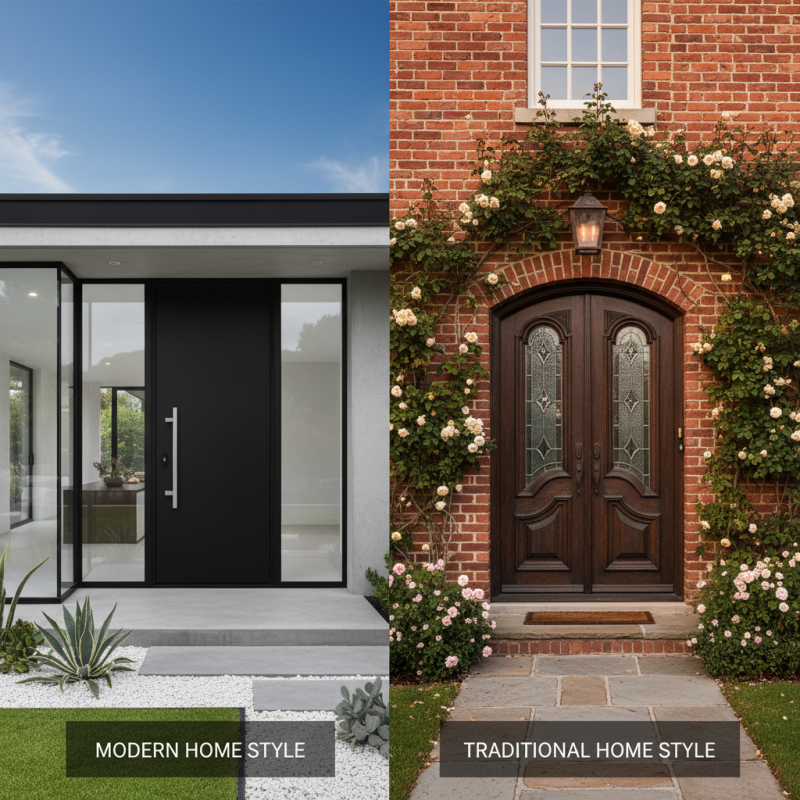
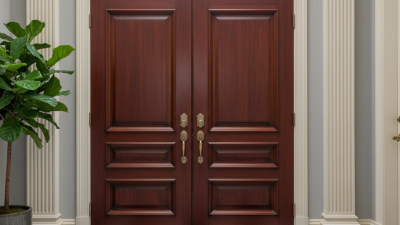
Different home styles require specific types of doors and doors that complement them. For modern homes, sleek, minimalistic doors serve as a hallmark. In contrast, traditional homes benefit from classic wooden doors that evoke nostalgia. Have you ever noticed how a door can change the entire ambiance of a house?
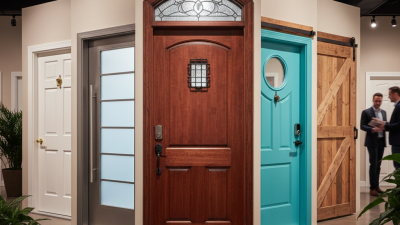
Choosing the right doors and doors can be overwhelming. There are so many options available. From sliding doors to ornate double doors, each serves a purpose. Reflecting on your choices is essential. What impact do you want to achieve? The decisions you make should align with your home's personality.
Top Types of Doors: An Overview of Materials and Styles
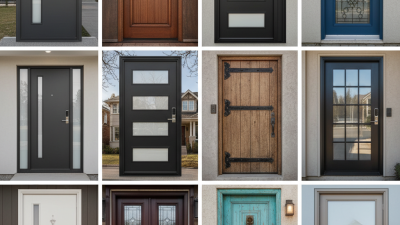
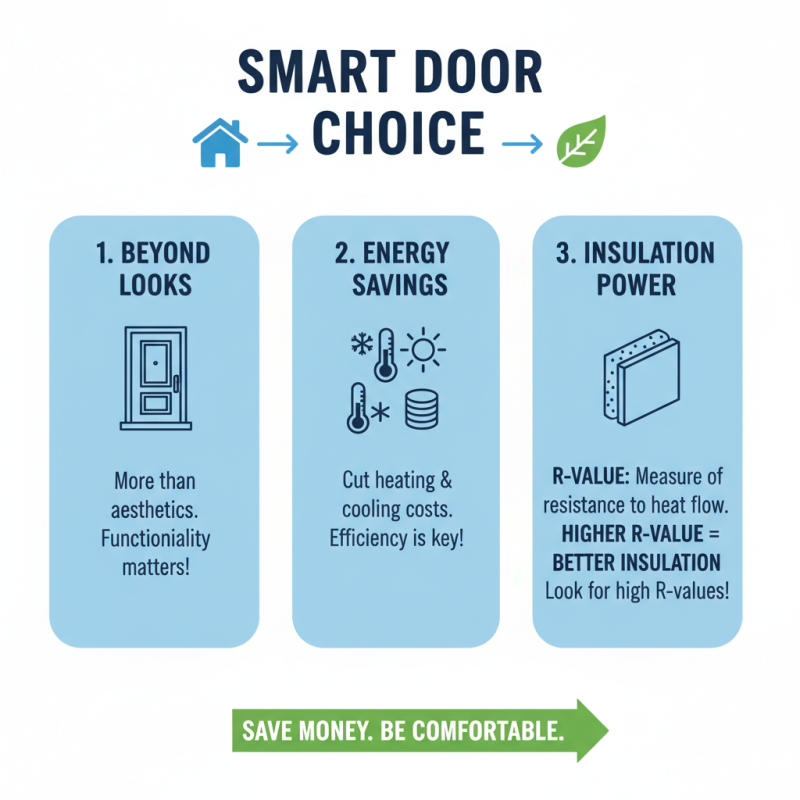
When choosing doors, consider materials and styles that fit your home. Wood offers warmth and character but requires maintenance. Metal doors are durable and secure. Fiberglass is low-maintenance and energy-efficient. Glass doors provide elegance but need privacy solutions.
Tips: Think about your climate. Wood can warp in humid areas. Metal may rust in coastal regions. Also, consider the door's purpose. A sturdy entry door enhances security. In contrast, interior doors can be lighter and stylish.
Different home styles call for different doors. A modern home might suit sleek metal or glass options. A traditional style often pairs well with classic wooden doors. Don't overlook functionality. A beautiful door should also work well. Measure correctly and imagine how it will fit into your daily life.
Top Types of Doors and Doors for Every Home Style
| Door Type |
Material |
Style |
Ideal For |
| Panel Door |
Wood |
Traditional |
Classic Homes |
| Sliding Door |
Glass |
Modern |
Contemporary Homes |
| French Door |
Wood/Glass |
Elegant |
Rural and Country Homes |
| Bi-Fold Door |
Aluminum/Glass |
Contemporary |
Open Concept Spaces |
| Hinged Door |
Steel/Wood |
Classic |
Any Style Home |
The Role of Doors in Architectural Design for Various Home Styles
Doors play a vital role in architectural design, influencing the overall look and feel of a home. They provide not just function but also style. A well-chosen door can enhance aesthetics, making a bold statement or blending seamlessly with the surroundings. For example, a rustic wooden door can evoke warmth, complementing a country-style home. In contrast, sleek glass doors are perfect for modern designs, creating an airy and open atmosphere.
Different home styles call for different door types. Traditional homes may benefit from ornate doors with classic carvings. Meanwhile, industrial-style homes often showcase steel or reclaimed wood doors. Each choice tells a story about the house’s character. Yet, many homeowners overlook this aspect. They may prioritize cost over design, leading to choices that clash with their home’s style. A door should serve as a transition, not just a barrier. It must reflect the homeowner’s personality and match the architectural lines of the home.
Comparative Analysis of Door Security Features Across Types and Brands
When it comes to door security, not all types provide the same level of protection. For instance, solid wood doors typically offer better resistance to forced entry compared to hollow-core doors. According to the National Institute of Standards and Technology, nearly 75% of break-ins involve doors as the entry point, highlighting the importance of choosing the right door type.
Additionally, the security features vary significantly among door types. Steel doors often include reinforced frames, providing superior protection. Conversely, some fiberglass doors may not have the same strength but can be equipped with additional security features, such as multi-point locking systems. This can make them a viable option for homeowners seeking both aesthetic appeal and security.
However, the market is not without its shortcomings. Manufacturers sometimes overlook essential testing for security ratings. A report from the International Association of Certified Home Inspectors indicates that 30% of doors fail to meet recommended security standards. Homeowners should conduct thorough research and consider testing results before making a purchase. Ultimately, understanding the specific security features of different door types is critical for informed decisions.
Trends in Door Design: Functional Aesthetics for Modern Homes
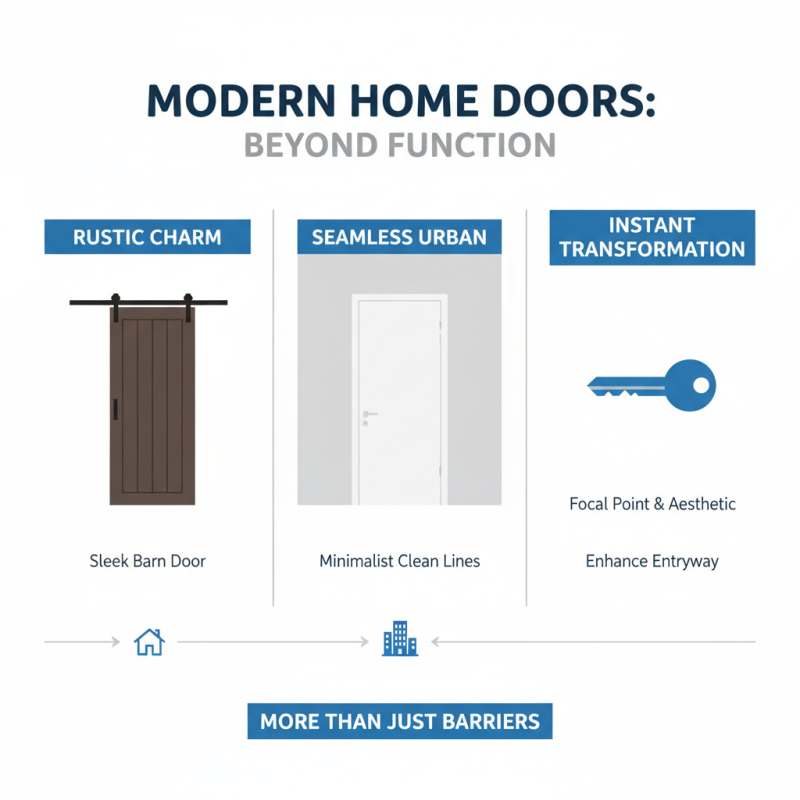
In modern home design, doors are more than just functional barriers. They serve as a focal point and enhance the overall aesthetic. A sleek barn door adds rustic charm to contemporary spaces. Meanwhile, minimalist doors with clean lines can create a seamless look in urban homes. Choosing the right door can transform an entryway instantly.
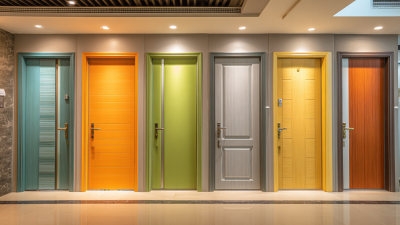
Color and texture play crucial roles in door design. Bold hues can establish a striking entrance, while natural wood finishes provide warmth. Glass inserts can offer an elegant touch. Sometimes, people overlook how these choices impact the home’s vibe. A poorly chosen door might clash with the surrounding style. This oversight can undermine the room’s entire aesthetic.
Functionality should also guide door selections. Pocket doors save space in tight areas, creating a sleek appearance. However, some might find them challenging to maintain. Weather-resistant doors are essential in storm-prone areas, yet they might not always match the desired style. Balancing these factors can be tricky. Homeowners must reflect on what truly matters in their living spaces.