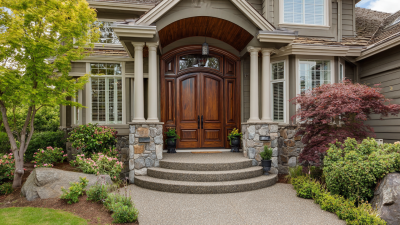
In today's global market, selecting quality front doors is essential for homeowners and builders alike. Renowned expert Mark Stevens, a veteran in architectural design, once stated, "A front door is not just an entrance; it's the first impression." This highlights the significance of choosing the right door. Quality front doors serve as a barrier against the elements and enhance a home's aesthetic appeal.
Many buyers overlook the importance of material and craftsmanship. Quality front doors come in various types, including wood, fiberglass, and steel. Each material has unique benefits and drawbacks. Buyers must consider not only durability but also insulation properties. A door that fails to meet these criteria can lead to energy loss and increased bills.
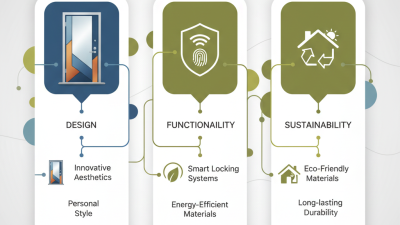
Moreover, security features must not be neglected. Many stylish options lack adequate protection. It's crucial to balance elegance with functionality. As homeowners aim for beauty, they must reflect on whether their choices truly serve their long-term needs. Quality front doors are not merely decorative; they embody safety, efficiency, and style.
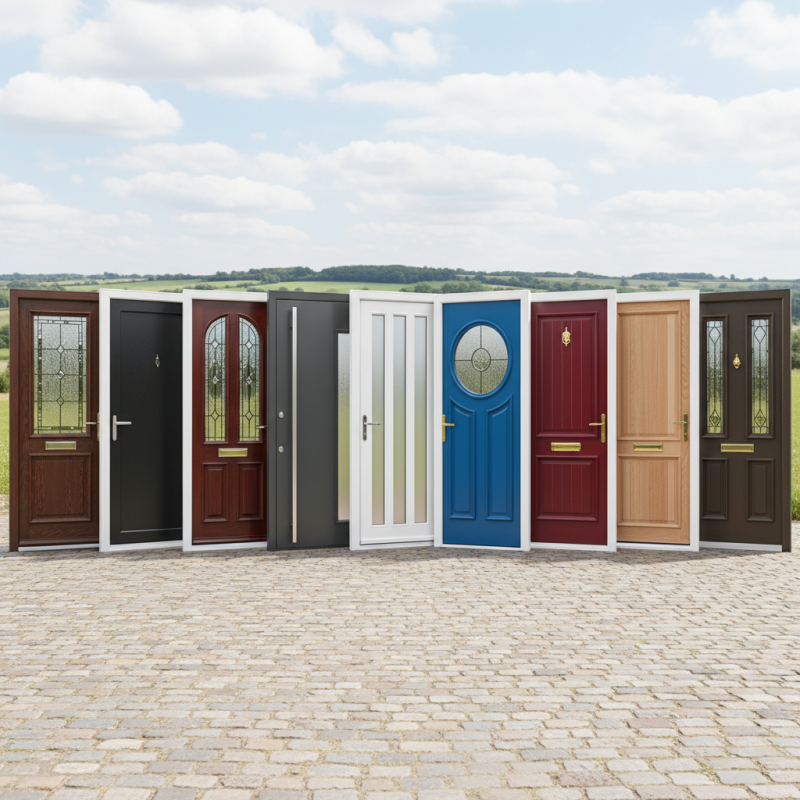
When choosing a front door, material plays a crucial role in durability and aesthetics. Wood, fiberglass, and steel rank among the top choices. According to the American Architectural Manufacturers Association, 70% of homeowners favor fiberglass doors for their energy efficiency and minimal maintenance. These doors resist warping, cracking, and fading for years. However, they may not exude the same warmth as wood.
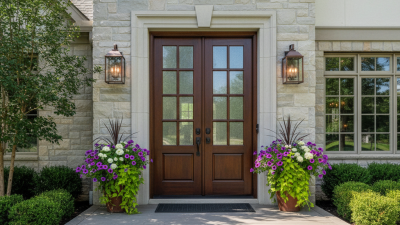
Wood doors are classic and provide a unique charm. Statistics from the National Association of Home Builders reveal that wood doors offer superior insulation, with an R-value that often exceeds 6. Yet, their susceptibility to weather damage means they require regular maintenance. Many homeowners struggle with the decision—invest in a beautiful wood door or opt for longevity with fiberglass?
Steel doors, on the other hand, provide impressive strength. They resist dents and vandalism, making them a solid choice for security-conscious buyers. The International Door Association notes that steel doors can last up to 30 years with proper care. Still, a major drawback is their tendency to rust if not adequately protected. Homeowners must weigh these factors carefully, reflecting on what best suits their lifestyle and environment.
| Material | Durability Rating | Energy Efficiency | Style Variety | Average Cost |
|---|---|---|---|---|
| Fiberglass | High | Excellent | Modern, Contemporary | $1,500 - $3,000 |
| Wood | Medium to High | Good | Traditional, Rustic | $1,000 - $2,500 |
| Steel | High | Fair | Industrial, Modern | $500 - $1,200 |
| Vinyl | Medium | Excellent | Contemporary, Modern | $800 - $1,500 |
| Aluminium | High | Good | Modern | $1,000 - $2,000 |
| Composite | Medium to High | Excellent | Traditional, Contemporary | $1,200 - $2,300 |
| Glass | Low to Medium | Poor | Modern, Contemporary | $1,500 - $3,500 |
| Fiberglass with Wood Grain | High | Excellent | Traditional, Rustic | $2,000 - $4,000 |
| Hollow Core | Medium | Fair | Basic | $300 - $800 |
| Solid Core | High | Good | Traditional, Classic | $800 - $1,700 |
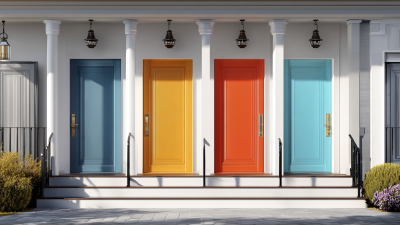
When selecting a quality front door, energy efficiency is paramount. According to the U.S. Department of Energy, 30% of a home's heating and cooling energy can be lost through doors. An energy-efficient front door reduces this loss significantly. Look for doors with an R-value of 5 or higher. An R-value measures the door's insulation effectiveness. The higher the R-value, the better the door will maintain your home’s temperature, leading to lower energy bills.
Additionally, consider the door's weatherstripping. High-quality seals can minimize air leaks. A study from the National Renewable Energy Laboratory identified that proper weather sealing can increase a door's overall efficiency by up to 20%. This can lead to substantial savings on heating and cooling costs over time. Furthermore, energy-efficient doors often feature double or triple glazing, which enhances insulation.
A door’s material also plays a crucial role. Fiberglass and steel doors typically offer better insulation than wood. However, they may require more reflective coatings to deal with sun exposure effectively. It’s essential to weigh these options based on your climate needs. While energy-efficient doors often come at a higher initial cost, their long-term benefits should be carefully evaluated. Reflecting on whether the investment aligns with your energy conservation goals is essential.
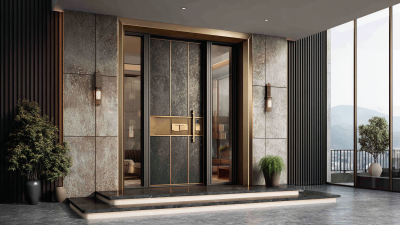
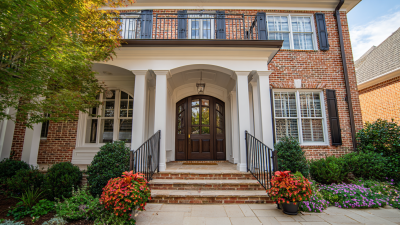
Choosing the right design style for a front door is crucial. A front door sets the first impression for a home. Professional reports highlight that about 70% of homebuyers consider curb appeal essential. Aesthetic qualities impact not just looks but perceived value as well.
Popular design styles include traditional, modern, and rustic. Traditional doors often feature intricate moldings and classic materials like wood. In contrast, modern designs emphasize sleek lines and minimalistic features. Reports indicate that modern styles are favored by 50% of younger buyers. However, some people find these designs too stark and impersonal.
Rustic doors evoke warmth and charm. They often use reclaimed wood or wrought iron details, appealing to those who prefer a cozy atmosphere. Yet, while embracing a rustic look, one must ensure energy efficiency. According to recent studies, energy-efficient doors can save homeowners 10-20% on energy bills. It's essential to balance aesthetic desires with practical needs. The right door should reflect personal style while maintaining functionality.
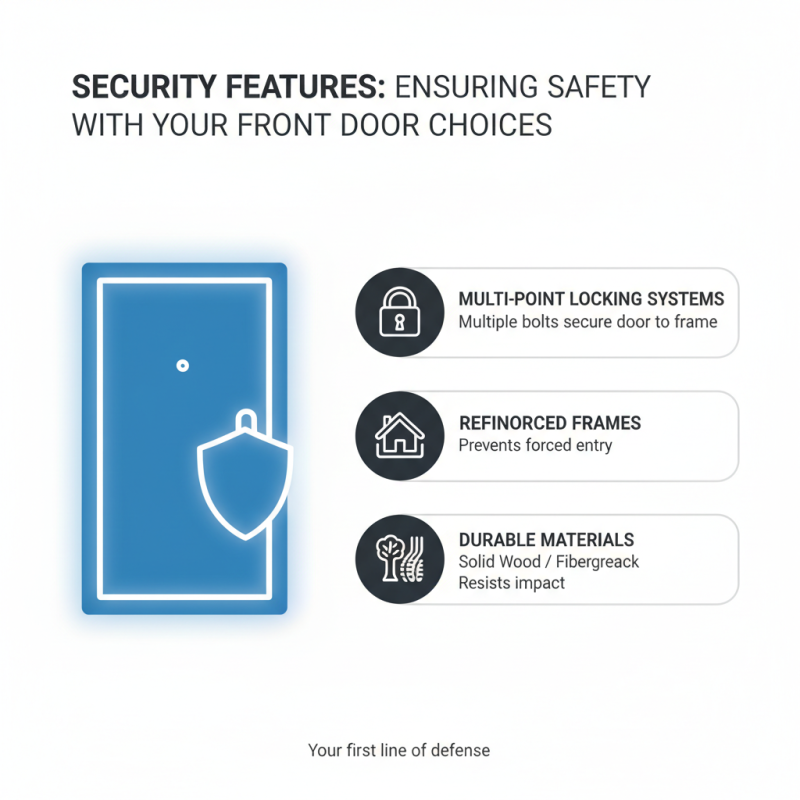
When choosing a front door, security features should be a priority. A top-notch front door serves as the first line of defense for your home. Reinforced frames and multi-point locking systems can significantly enhance safety. They deter break-ins effectively, improving your peace of mind. Don’t overlook the importance of materials either; solid wood or fiberglass offers better resistance compared to hollow cores.
Additionally, consider the visibility of your door. Doors with small windows may look attractive but can pose security risks. Intruders might exploit these windows to reach locking mechanisms. Opting for doors that are difficult to break into is key. Look for features like smart locks and security cameras that integrate with your home system. These features not only provide security but also add convenience to your entryway.
However, it's essential to analyze your specific needs. Each home has unique vulnerabilities that may require different solutions. Reflect on the security history of your neighborhood. It might be worth investing in additional measures such as alarms or motion-activated lights. Prioritize your safety with a thoughtful approach to your front door selection.
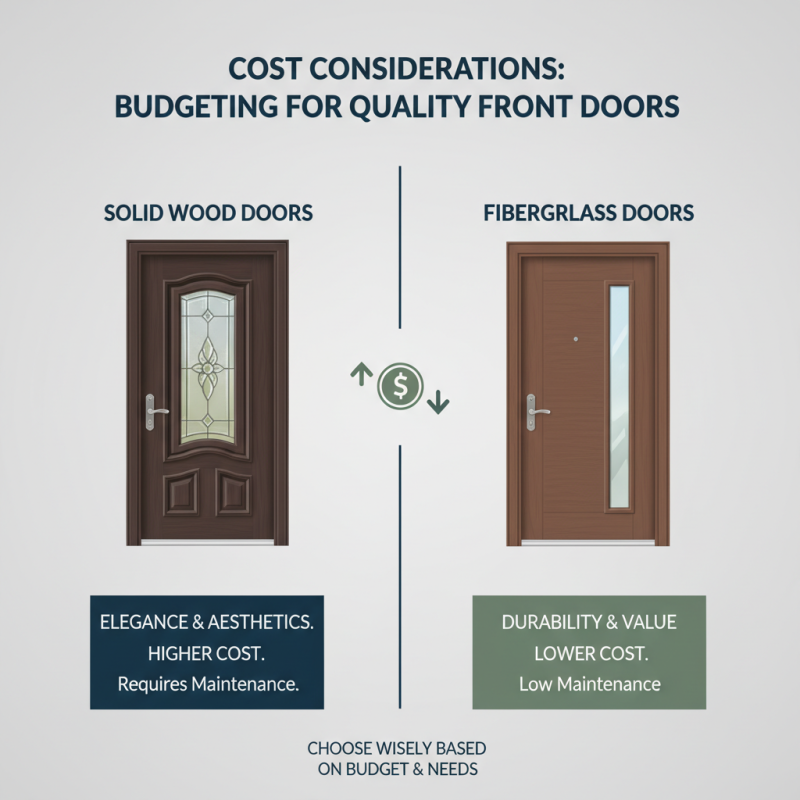
When selecting a quality front door, budgeting is essential. Quality doors come in various materials. Each material has a different price point. Solid wood doors often exude elegance but can be costly. On the other hand, fiberglass doors provide durability at a lower cost.
Consider long-term savings when budgeting. Investing in a high-quality door can reduce maintenance costs. Cheaper options may require frequent repairs or replacements. Ensure that you account for installation expenses. These can add a significant amount to your budget.
Think about energy efficiency as well. Quality doors can enhance insulation. This leads to savings on energy bills. Research local and regional market prices. Sometimes, seasonal promotions can provide excellent deals. Reflect on your priorities to strike a balance between quality and cost.