What is Solid Wood Doors Benefits Features and Buying Guide
When it comes to enhancing the aesthetic appeal and functionality of a home, few choices are as impactful as solid wood doors. These doors not only serve as an entry point but also play a crucial role in insulation, security, and style. According to renowned architect and wood expert, Dr. Samuel Carter, "Solid wood doors are not just a luxury; they are an investment in the longevity and beauty of your home." This encapsulates the essence of why homeowners and builders alike gravitate towards this natural material.
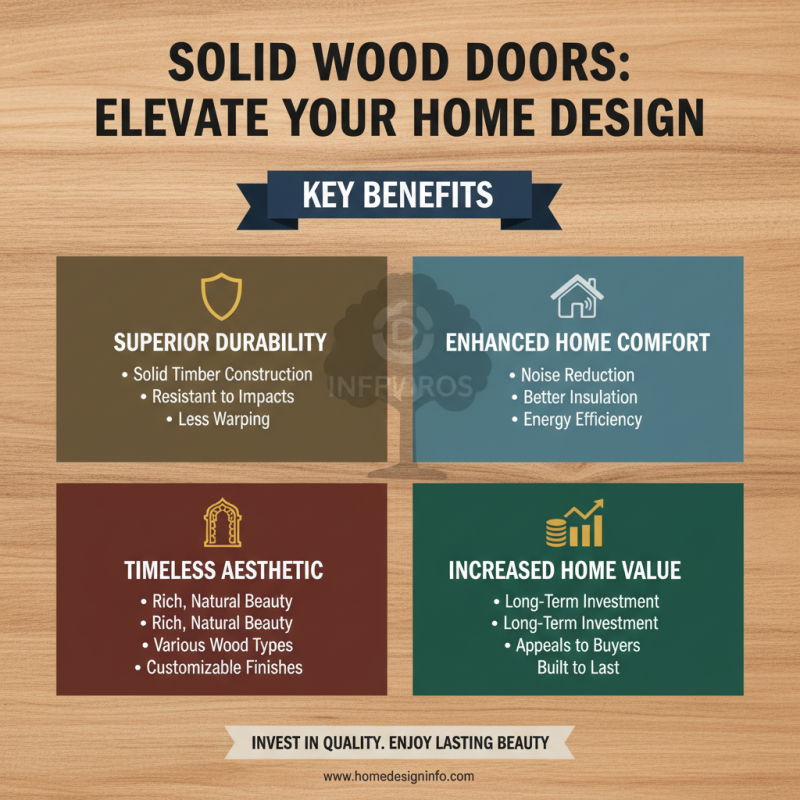
Solid wood doors offer a range of benefits, from their durability and energy efficiency to their ability to provide a timeless look that complements various architectural styles. The rich texture and grain of solid wood can elevate any space, making it feel warm and inviting. However, choosing the right solid wood door requires careful consideration of features and specifications, making it essential to understand the options available in the market.
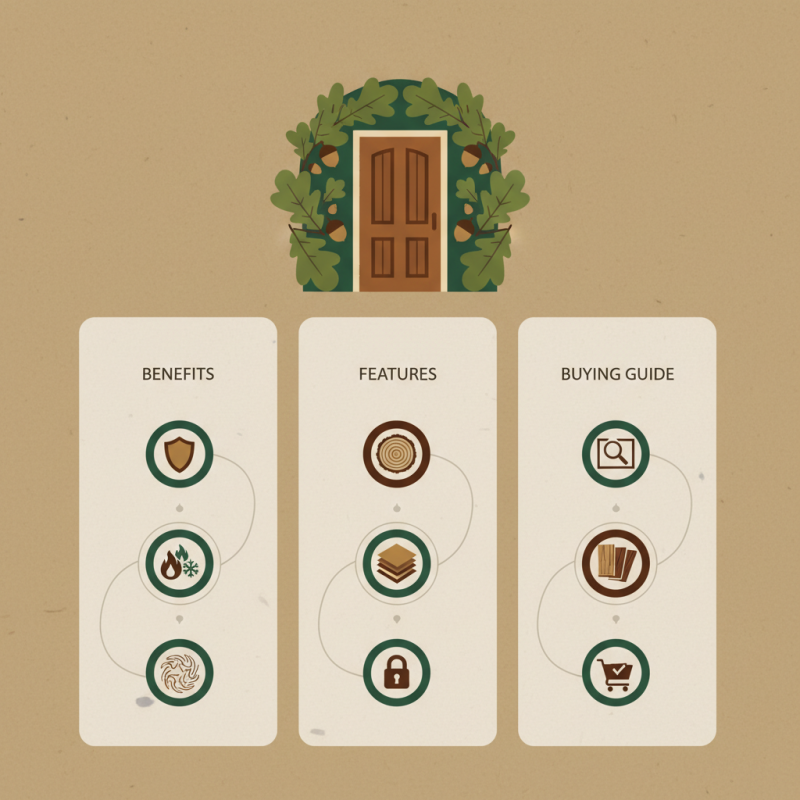
In this comprehensive guide, we will explore the numerous benefits of solid wood doors, their distinctive features, and key factors to consider when purchasing. By understanding the true value of solid wood doors, you can make an informed decision that not only enhances your home’s value but also brings lasting satisfaction for years to come.
Benefits of Solid Wood Doors in Home Design
Solid wood doors not only enhance the aesthetic appeal of your home but also offer a range of benefits that contribute significantly to overall home design. One of the primary advantages of solid wood doors is their durability. Unlike hollow core doors, solid wood doors are made from solid timber, which makes them more resistant to wear and tear. They can withstand significant impact and are less likely to warp over time, ensuring they maintain their form and function for many years.
Another important feature is their sound insulation properties. Solid wood naturally absorbs sound, making these doors an excellent choice for rooms where privacy is paramount, such as bedrooms and home offices. This quality ensures that noise from outside or other parts of the house is minimized, contributing to a more serene living environment.
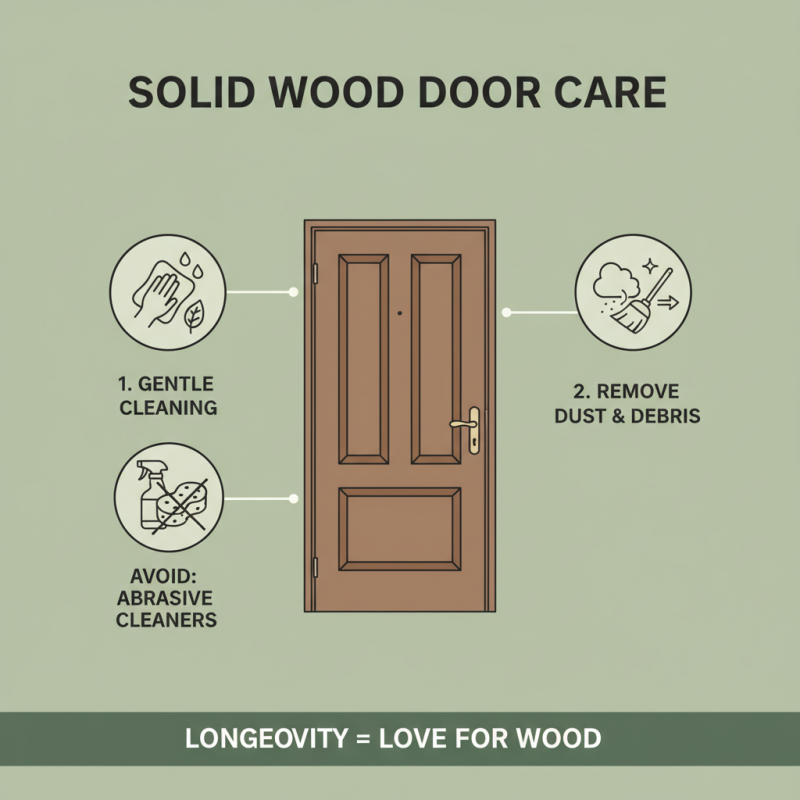
**Tips:** When selecting solid wood doors, consider the type of wood that aligns with your home's style and climate. Additionally, proper maintenance, including regular sealing and refinishing, can prolong the life and beauty of your doors. Always consult with a knowledgeable expert to ensure you choose a door that fits both your functional needs and design aesthetic perfectly.
Key Features of Solid Wood Doors to Consider
When considering solid wood doors, several key features set them apart from other types of doors. First and foremost, durability is a significant advantage. According to a report by the American Wood Council, solid wood doors can last up to 50 years or more with proper maintenance, making them a long-term investment for homeowners. This longevity stems from the natural strength of solid wood, which is less likely to warp or crack compared to engineered materials.
Another important feature is sound insulation. Solid wood doors provide superior soundproofing capabilities due to their density, which can significantly enhance privacy within a home. A study by the National Association of Home Builders highlights that solid wood doors can reduce noise transmission by up to 30%, making them an ideal choice for bedrooms and home offices. Additionally, the aesthetic appeal of solid wood is unmatched, offering a timeless beauty that complements various architectural styles. Homeowners can choose from a wide range of finishes and grains to suit their personal tastes, creating a warm and inviting atmosphere.
What is Solid Wood Doors Benefits Features and Buying Guide - Key Features of Solid Wood Doors to Consider
| Feature |
Description |
Benefits |
Considerations |
| Material |
Made from solid wood species such as oak, maple, or cherry. |
Durability and strength compared to hollow-core doors. |
Higher cost than synthetic materials; may require more maintenance. |
| Aesthetic Appeal |
Natural wood grain enhances home decor. |
Adds value and beauty to any space. |
May not suit every design style; requires a color match. |
| Insulation |
Provides sound and thermal insulation properties. |
Improves energy efficiency and noise reduction. |
Heavy weight may require sturdy frames. |
| Customization |
Available in various styles, sizes, and finishes. |
Tailored to specific design requirements. |
Longer lead time for custom products. |
| Sustainability |
Many solid wood doors sourced from sustainable forests. |
Environmentally friendly options are available. |
Need to verify sourcing and certifications. |
Comparing Solid Wood Doors with Other Door Materials
When comparing solid wood doors with other door materials, it’s essential to consider their unique attributes and overall value. Solid wood doors are renowned for their durability and structural integrity, making them a popular choice for both interior and exterior applications. Unlike hollow core or composite doors, solid wood doors offer superior sound insulation and thermal performance, which can contribute to a more comfortable living environment. Their inherent strength also means they are less prone to dents and damage from everyday use.
In contrast, other materials like fiberglass or metal may be easier to maintain and offer better resistance to the elements. Fiberglass doors, for example, can mimic the appearance of wood while being impervious to moisture, making them suitable for harsh climates. However, these alternatives often lack the warmth and classic appeal that solid wood doors provide. Furthermore, solid wood doors can be refinished and repaired, extending their life significantly, whereas synthetic options may require complete replacement upon wear or damage. Thus, understanding these differences is crucial for homeowners looking to make an informed choice that aligns with their aesthetic preferences and practical needs.
Guide to Buying Solid Wood Doors: What to Look For
When considering the purchase of solid wood doors, it's essential to understand the key features and benefits that can influence your decision. First, examine the type of wood used; different species have unique characteristics in terms of durability, appearance, and cost. For instance, hardwoods tend to be more robust and resistant to wear compared to softer woods. Look for doors that are well-constructed, with solid cores rather than hollow ones, as they provide better insulation and soundproofing.
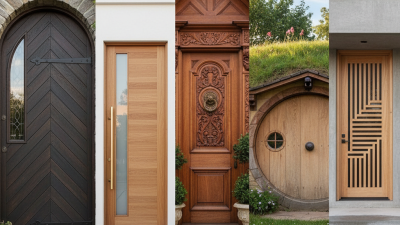
Next, think about the style and finish that complements your home design. Solid wood doors come in various designs, from traditional panel doors to modern minimalist styles. Ensure the door's finish is suitable for your environment; for example, exterior doors should have weather-resistant finishes to endure the elements. Lastly, consider the door's dimensions and how they fit within your existing frame, ensuring proper sealing for energy efficiency. This careful attention to detail will help you choose a solid wood door that enhances both the aesthetic and functional aspects of your space.
Benefits of Solid Wood Doors
This bar chart illustrates the benefits of solid wood doors based on several key factors. Each benefit is scored out of 10, indicating its importance in choosing solid wood doors.