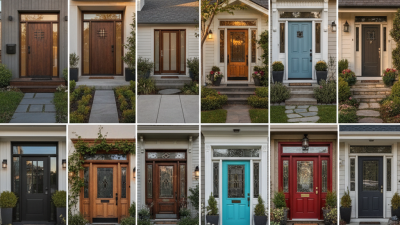
Top Tips for Choosing Quality Exterior Doors for Your Home?
When selecting quality exterior doors for your home, expert advice can make a significant difference. According to John Smith, a seasoned door specialist, "A good exterior door should blend beauty, durability, and energy efficiency." This statement captures the essence of what every homeowner should consider.
Quality exterior doors not only enhance the aesthetic appeal of a house but also provide essential security features. Many homeowners overlook the materials used in these doors. Wood, fiberglass, and steel each offer unique benefits. Even the best products may fall short if installation and maintenance are not properly considered.
Adding depth to your choice means thinking about colors and styles. A door that complements your home’s architecture creates a harmonious look. Reflecting on your needs is crucial. Some doors may not be the right fit for high-traffic areas or extreme weather conditions. Consider the long-term implications of your choice. It’s an investment that invites guests and protects your home.
Understanding Different Types of Exterior Doors Available for Homes
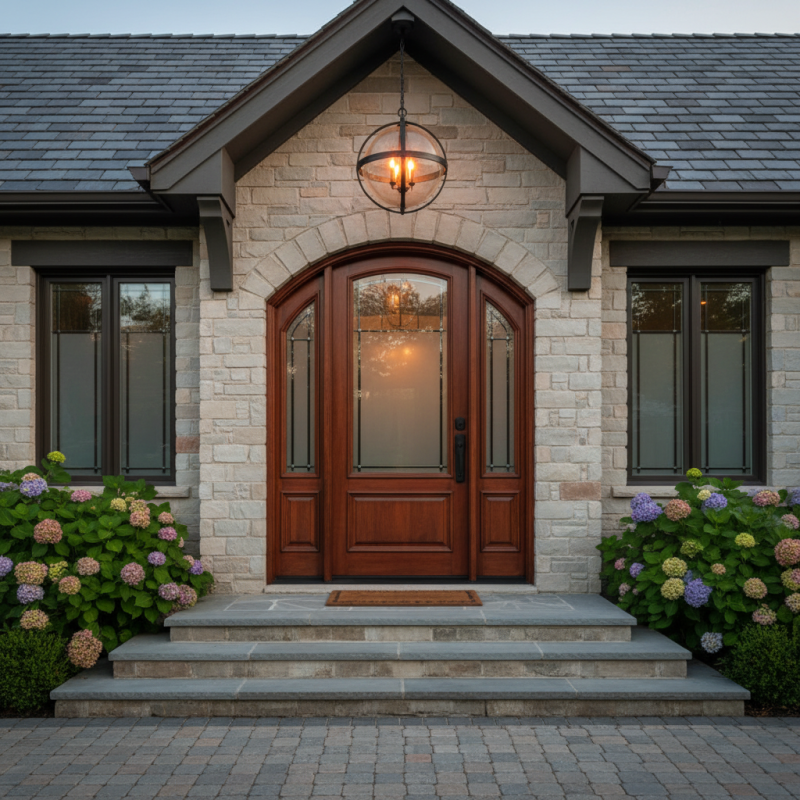
When choosing exterior doors, it's essential to understand the variety available. Each type serves different needs and aesthetics. Popular options include wood, fiberglass, and steel doors. Wood doors offer a classic look but may require regular maintenance. They can warp or rot if not cared for properly. On the other hand, fiberglass doors are durable and resistant to weather. They mimic the appearance of wood without the upkeep. Steel doors provide security but can be prone to dents or rust.
Another factor to consider is insulation. Look for doors that come with good energy efficiency ratings. These can help maintain indoor temperatures and reduce energy costs. Some exterior doors also feature multi-point locking systems for added security. Customization options are available too. You can choose different colors, finishes, and styles.
However, don’t overlook the practicality of your choice. Consider how the door matches your home’s design. A mismatched door can stand out for the wrong reasons. Think about your climate as well. Doors need to withstand local weather conditions. Poor choices can lead to future regrets. What looks good now might not function well later. Always reconsider your options carefully.
Evaluating Materials: Wood, Fiberglass, Steel, and Their Benefits
Choosing the right exterior door is crucial for home security and energy efficiency. The material matters. Wood doors exude warmth and can enhance curb appeal. They are sturdy but require maintenance. A survey indicated that 20% of homeowners find wood doors to be high-maintenance.
Fiberglass doors offer durability and insulation. They resist warping and can mimic wood's appearance. According to industry reports, they can improve energy efficiency by up to 15%. This makes them a strong contender. However, some homeowners feel fiberglass lacks character compared to real wood.
Steel doors are known for their strength and security. They are often the choice for those looking for peace of mind. Yet, while they excel in security, they can dent easily. Some users find this frustrating. Steel doors also require insulation to meet energy efficiency standards, which can vary by region. Each material has its pros and cons, making the decision personal and reflective of one's needs.
Assessing Energy Efficiency Ratings for Exterior Doors
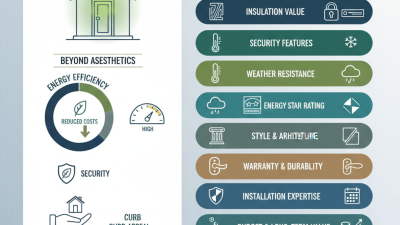
When selecting exterior doors, energy efficiency is a key factor. Look for doors with a high energy efficiency rating. These ratings often come from recognized agencies. They can indicate how well a door insulates your home. A quality door will save you money on heating and cooling costs.
Understand the materials used in the construction of doors. Fiberglass and steel are often good choices because they provide better insulation. Wood might look appealing but can require more maintenance. Choose doors that have a solid core. This will contribute to better energy efficiency.
Don't overlook the importance of weather stripping. Proper sealing can drastically improve performance. Over time, seals may wear out. Regular checks can save energy and money. Remember, investing in energy-efficient doors does not just cut costs; it enhances comfort as well. Consider various options, and make informed choices.
Top Tips for Choosing Quality Exterior Doors for Your Home - Assessing Energy Efficiency Ratings for Exterior Doors
| Door Type |
Material |
Energy Efficiency Rating |
Insulation R-Value |
Price Range |
| Fiberglass |
Fiberglass |
Energy Star Certified |
R-5 to R-6 |
$800 - $1,500 |
| Steel |
Steel |
Energy Star Certified |
R-4.5 to R-5 |
$500 - $1,200 |
| Wood |
Wood |
Not Always Certified |
R-2 to R-4 |
$600 - $2,000 |
| Composite |
Composite Materials |
Energy Star Certified |
R-3.5 to R-5 |
$700 - $1,800 |
Importance of Security Features in Choosing Exterior Doors
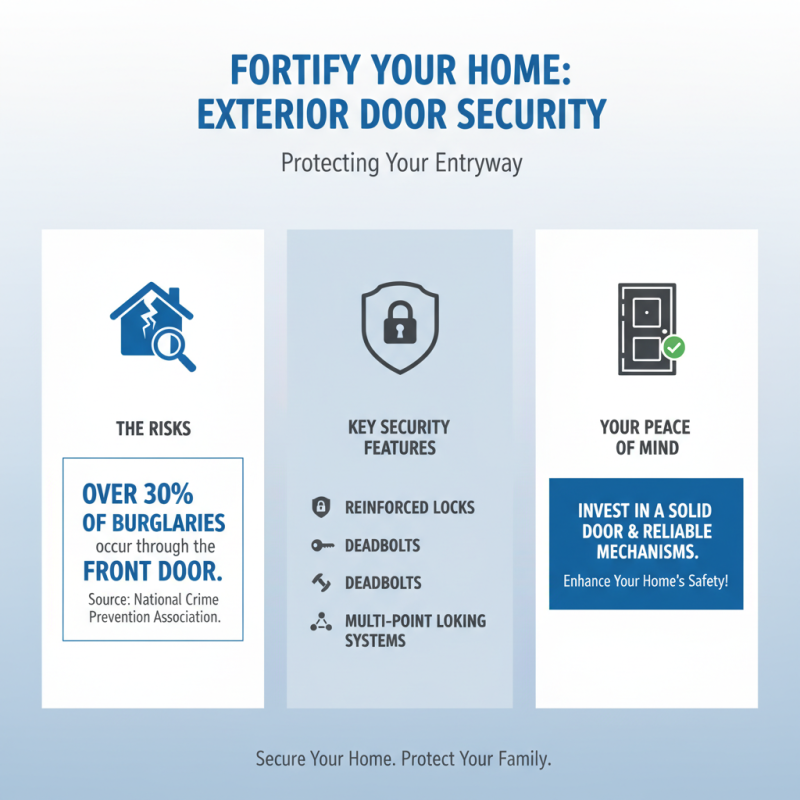
When selecting exterior doors, security features are critical. According to a report from the National Crime Prevention Association, over 30% of residential burglaries occur through the front door. This statistic highlights the importance of investing in a solid door with reliable locking mechanisms. Reinforced locks, deadbolts, and multi-point locking systems can significantly enhance your home's security.
Choosing the right materials also matters. Steel doors provide better resistance to forced entry compared to wooden ones. A study published by the Home Security Research Institute found that homes with steel doors experience 60% fewer break-ins. However, many homeowners overlook the door frame's strength. A weak frame can compromise even the best door.
Pay attention to additional features like smart locks and security cameras. These innovations offer peace of mind. However, remember that having advanced systems doesn't mean neglecting basic security measures. Many people assume their home is safe with technology alone. Regularly assess and maintain all aspects of your exterior door security.
Aesthetic Considerations: Style and Design to Match Your Home
When choosing exterior doors, aesthetic considerations are crucial.
The door is the first impression of your home. A stylish entrance can elevate your home's overall appeal. Think about architectural style.
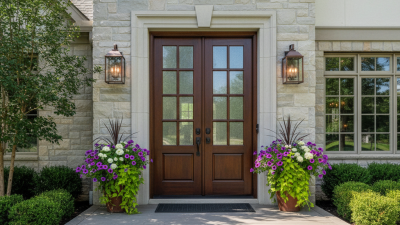
Is your home modern, traditional, or rustic? The door should complement that style. For a classic look, consider paneled doors.
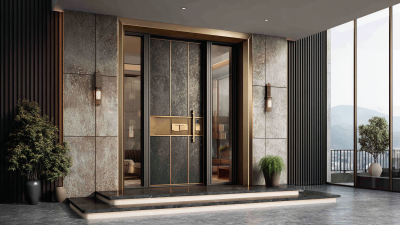
Sleek designs work well for contemporary homes.
Material influences design too. Wood offers warmth and richness. Steel can provide a minimalist vibe.
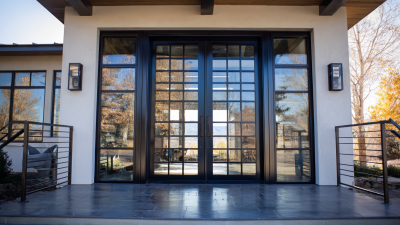
Glass inserts can enhance light and visibility. However, ensure they maintain privacy. The color of your door is important as well.
Bold hues can make a statement. Subtle tones blend more with the surroundings. Choose colors that reflect your personal style.
Details matter too. Patterns, textures, and hardware can create a unique look. Adding decorative elements like sidelights or transoms
can enrich the design. Reflecting on your choices is necessary. Sometimes, a door that looks good may not suit your lifestyle or climate.
Balance aesthetics with functionality for the best outcome.