What is the Purpose of Stile Doors in Modern Architecture?
In modern architecture, stile doors play a crucial role in design and functionality. Renowned architect Jane Carter emphasizes, “Stile doors are not just functional; they define spaces.” This highlights their significance beyond mere utility.
Stile doors embody a blend of tradition and contemporary aesthetics. Crafted from various materials, they enhance both interior and exterior spaces. The way light filters through them can create unique atmospheres. Yet, some may overlook their importance in the overall design.
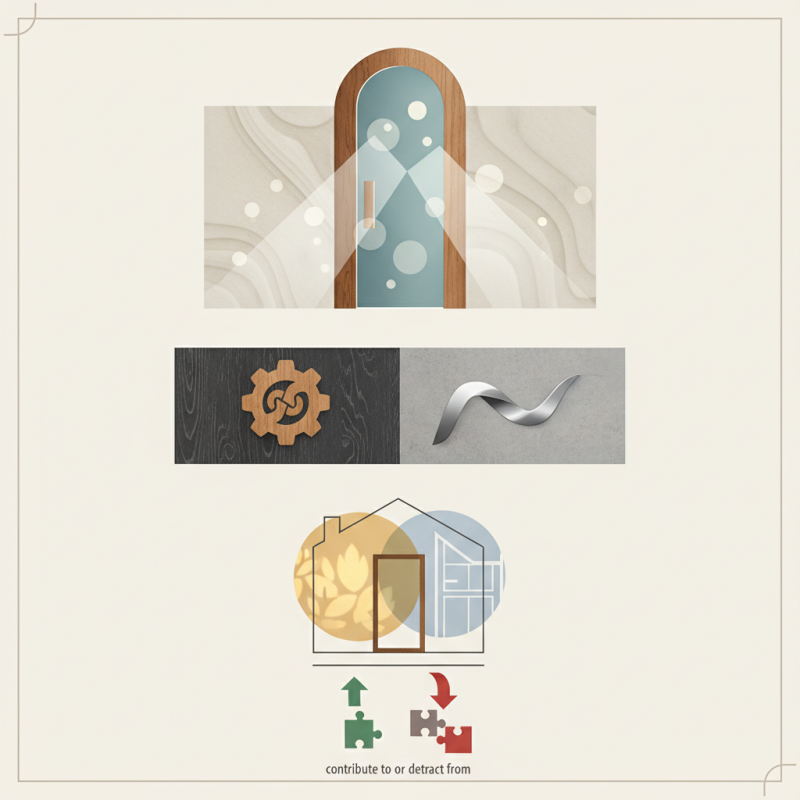
It's easy to see stile doors as mere entrances. However, their impact on ambiance and character is profound. Often, the design choices made with stile doors can make or break a project. Reflecting carefully on their placement and style is essential for architects. Each decision can either contribute to or detract from the intended vision.
Functions of Stile Doors in Contemporary Building Design
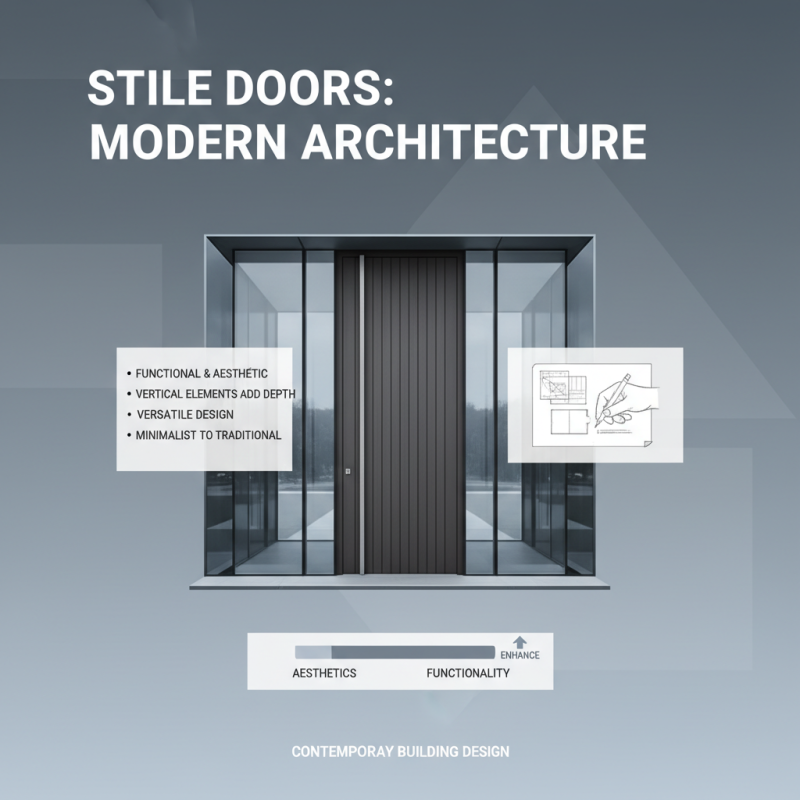
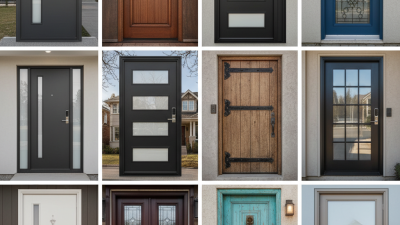
Stile doors play a crucial role in contemporary building design. These doors are not just functional; they enhance aesthetics. Their vertical elements add visual interest and depth to any entryway. With various designs, they can fit both minimalist and traditional styles. This versatility makes them appealing in modern architecture.
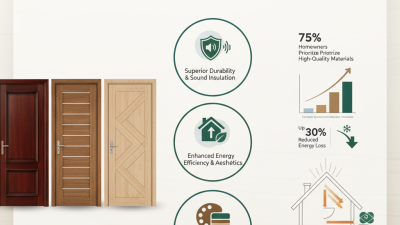
Moreover, stile doors offer practicality. They can be insulated, preventing energy loss. Many feature solid cores, providing enhanced soundproofing. This is especially beneficial in urban areas where noise pollution is a concern. However, the maintenance of these doors can sometimes be tricky. They require regular care to retain their appearance and functionality.
Incorporating stile doors into designs invites reflection on balance. The harmony between style and utility can be difficult. Designers often struggle with materials and finishes that align with their vision. Choosing the right door can be daunting. Each decision influences the overall environment, making it essential to consider every element.
Historical Evolution of Stile Doors in Modern Architecture
Stile doors have a rich history in modern architecture. They evolved from traditional designs to meet contemporary needs. Early styles were simple and functional. They often featured intricate carvings and embellishments. Over time, functionality became key. This shift allowed for diverse applications across various building types.
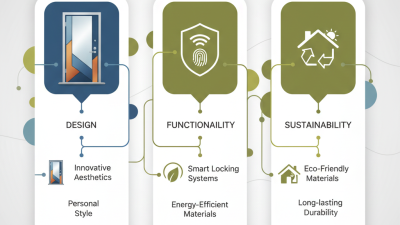
In modern contexts, stile doors bridge the gap between aesthetics and utility. Designers incorporate materials like glass and metals, enhancing light and space. Yet, some designs prioritize style over practicality. This can lead to issues like poor insulation or security concerns. The challenge lies in maintaining the balance between visual appeal and effective design.
Despite advancements, some stile doors still reflect outdated practices. Developers may overlook energy efficiency or modern materials. This raises questions about sustainability. As architecture evolves, so must our understanding of style and function. Every design choice carries weight and significance. It's essential to reflect on what truly adds value in modern spaces.
Material Choices for Stile Doors and Their Impact on Design
Stile doors are integral to modern architecture. Their design significantly hinges on material choices. Wood is popular, lending warmth and elegance. However, it requires careful maintenance. Metal offers durability but can feel cold and uninviting. Each material shapes the aesthetic and mood of spaces.
Composite materials are gaining traction. They combine the advantages of both wood and metal. These doors are often lighter yet strong. They can mimic natural textures, creating a cozy atmosphere. However, some worry about sustainability. Not all composites are eco-friendly, raising questions about their long-term impact.
Glass doors convey openness and light. They can visually expand a room. Yet, they lack privacy. This trade-off can be challenging for homeowners. Ultimately, selecting the right material for stile doors involves balancing beauty and functionality. Each choice reflects personal values and lifestyle needs.
Aesthetic Contributions of Stile Doors in Interior Spaces
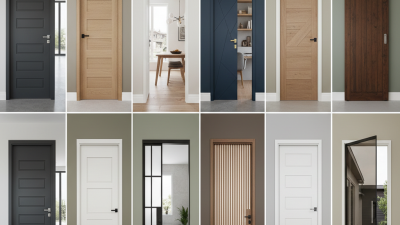
Stile doors play a significant role in modern interior design. Their aesthetic contributions cannot be overlooked. These doors serve as both functional and decorative elements. The clean lines and minimalistic designs enhance the overall look of a space. They can create a feeling of openness while offering privacy.
When placed strategically, stile doors draw the eye. A well-chosen door can define an area or act as a focal point. Textures and finishes add depth to the space. However, it’s essential to consider how these elements work with the surrounding decor. A mismatched style can disrupt harmony. Sometimes, the choice of color may clash, leading to an unintended effect.
Many designers overlook the importance of scale. A door that is too large or too small can affect a room's proportion. The aim is to achieve balance. It might take several attempts to find the perfect fit. Reflections, shadows, and light play can dramatically change a room. Understanding this can lead to thoughtful choices when selecting stile doors.
Energy Efficiency and Security Features of Stile Doors in Architecture
Stile doors are becoming popular in modern architecture due to their energy efficiency and security features. Recent studies show that well-insulated doors can reduce energy loss by up to 30%. That’s significant for homeowners looking to cut energy bills. These doors often have advanced weather stripping, preventing drafts and heat loss. They also come with thermal cores, enhancing insulation.
Security is another crucial aspect. A report by the National Institute of Standards and Technology highlighted that sturdy stile doors deter break-ins effectively. They often feature reinforced frames, making them resistant to forced entry. Many designs now include smart locking mechanisms, adding another layer of protection. However, not all installations meet the desired standards. Proper installation is vital for maximizing these security benefits.
Some might question the aesthetic appeal of stile doors. While they excel in function, achieving a perfect balance with beauty can be challenging. The materials used can affect appearance and efficiency. Finding the right combination is essential. Additionally, maintenance can be a drawback. Frequent checks may be necessary to maintain their integrity. Balancing functionality and aesthetics requires thoughtful consideration.
Energy Efficiency and Security Features of Stile Doors in Modern Architecture