2026 How to Choose the Best Basin Bridge Mixer Tap?
Choosing the right Basin Bridge Mixer Tap can significantly enhance your bathroom experience. A well-designed mixer tap not only serves a functional purpose but also adds aesthetic appeal. The market is flooded with options, making the selection process quite overwhelming. How do you determine which tap is best for your needs?
It is essential to consider various factors. These include the tap’s material, finish, and reliable mechanisms. High-quality taps often feature durable brass construction. This ensures longevity and prevents rust. A good mixer tap should also offer smooth operation. However, keep in mind that price does not always indicate quality. Sometimes, even expensive options can disappoint.
Reflect on your unique preferences. Do you favor a modern or classic design? Is ease of cleaning a priority? Take your time to research. User reviews can offer valuable insights. A Basin Bridge Mixer Tap should not only meet your needs but also instill confidence in its quality and performance.
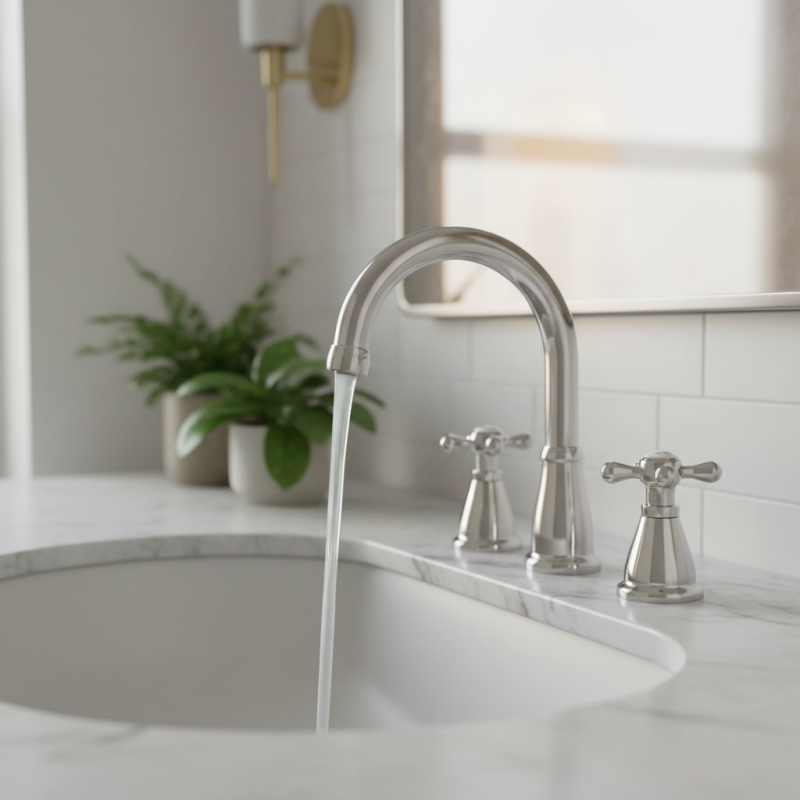
Understanding the Functionality of Basin Bridge Mixer Taps
Basin bridge mixer taps are vital for modern bathrooms. They combine hot and cold water, offering comfort and convenience. Understanding their functionality helps in making an informed choice.
These taps usually have a single lever. You can control temperature and flow easily. Look closely at the design. An ergonomic handle improves ease of use. Some mixers have a pop-up waste feature. This can be useful, but check for reliability. Not all designs stand the test of time.
Consider the materials used. High-quality finishes resist tarnishing. However, cheaper options may wear out quickly. It's essential to balance aesthetics with durability. Often, people focus only on looks. Yet, a beautiful tap isn’t worth it if it breaks easily. Aim for choices that reflect both style and functionality.
Key Features to Consider When Selecting a Basin Bridge Mixer Tap
When choosing a basin bridge mixer tap, it’s essential to consider several key features. First, look at the design compatibility. A well-matched tap enhances the overall aesthetic of your bathroom. Identify the materials as well. Quality materials like brass or stainless steel ensure longevity and resistance to corrosion. These elements contribute to the efficiency and style of your bathroom space.
Another feature to focus on is the water flow rate. A tap with an optimal flow rate saves water and reduces your utility bills. Test the handle operation as well. A smooth and comfortable operation often reflects the mixer tap's quality. The type of installation should be considered too. Make sure your current plumbing setup can accommodate your new tap without extensive modifications.
Tips: Always check user reviews for real-life usage experiences. Sometimes, a stylish tap may not function well. Don’t overlook maintenance needs; some models may require more effort to clean. It’s helpful to visualize how the tap complements your sink. Before finalizing your choice, reflect on the long-term impact on your daily routine. A small change can lead to bigger benefits or problems down the line.
Materials and Finishes: What to Look for in a Mixer Tap
When choosing a mixer tap for your basin bridge, materials and finishes matter significantly. Stainless steel is a top choice for durability and resistance to rust. It’s easy to clean and offers a sleek, modern look. However, not all stainless steel is the same; the grade can vary. Higher grades promise better resilience but tend to be pricier.
Consider brass as another option. It has a timeless appeal and is known for its robustness. Yet, some finishes may tarnish over time. Chrome finishes can provide a shiny aesthetic, making them popular. But they require regular maintenance to keep them looking their best. You may find that the cheaper options do not offer the same quality. This aspect requires careful thought when making your decision.
Remember also that the surface texture affects how a tap feels in your hand. Matte finishes can add a contemporary touch, yet they might show water spots more readily. It’s crucial to balance aesthetics with practicality. Your choice should reflect your lifestyle while considering the tap’s long-term maintenance. This isn’t just a purchase; it’s an investment in your home.
Installation Requirements for Basin Bridge Mixer Taps
When installing a basin bridge mixer tap, several key requirements must be addressed. First, ensure you have the appropriate water supply connections. The tap needs both hot and cold water supplies. Often, these pipes are located under the sink. Measure their distance from the tap location to avoid complications.
Next, focus on the space around the sink. Limited space can restrict your ability to install the tap effectively. The sink should have adequate depth to accommodate the tap base. Ensure there's enough clearance for any spouts. Crowded spaces can lead to awkward installation angles that could cause leaks.
Tip: Always check the water pressure in your home. Low water pressure can affect the tap’s performance. A pressure gauge can help measure this accurately. Regular maintenance is important too. Look for signs of wear or leaks after installation.
Lastly, verify the compatibility of the basin bridge mixer with your sink. Some models work better with specific designs. Mismatched styles can lead to aesthetic issues or operational challenges. Take time to review the installation manual for details on required tools and components. This step is crucial for a successful setup.
Comparative Analysis of Popular Basin Bridge Mixer Tap Brands
When selecting a basin bridge mixer tap, it's important to compare various brands. Consumer reviews often spotlight key features like durability and ease of use. Popular choices typically excel in design and functionality. However, not all models deliver the same level of performance. Some taps may falter in reliability over time, leading to user dissatisfaction.
Tips: Always check the materials used in the tap. Brass and stainless steel are strong and long-lasting. Avoid devices made from plastic, as they tend to wear out quickly.
Additionally, the installation process can vary widely. Some products offer easy DIY installation, while others may require professional help. This can impact your overall satisfaction. Remember to read user testimonials. These insights can reveal potential issues that might not be apparent at first glance.
Sometimes, the most costly options do not guarantee the best quality. A mid-range tap may surprise you with excellent features and longevity. Evaluating different options will lead you to a tap that suits both your needs and your budget. Keep an open mind and stay informed for the best choice.
2026 How to Choose the Best Basin Bridge Mixer Tap? - Comparative Analysis of Popular Basin Bridge Mixer Tap Brands
| Feature | Option 1 | Option 2 | Option 3 | Option 4 |
| Flow Rate (L/min) | 5.5 | 6.0 | 4.8 | 5.0 |
| Material | Brass | Stainless Steel | Brass | Zinc Alloy |
| User Rating (out of 5) | 4.5 | 4.2 | 4.8 | 4.0 |
| Warranty (Years) | 5 | 3 | 5 | 2 |
| Price ($) | 129.99 | 99.99 | 159.99 | 75.00 |