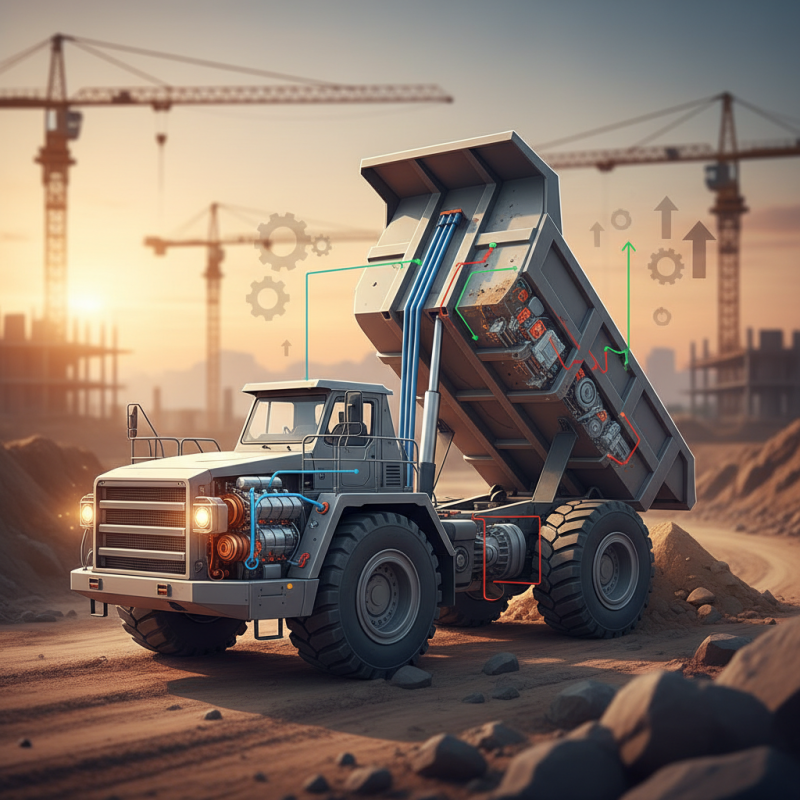
What is a Construction Truck and How Does it Work?
A Construction Truck is an essential vehicle in the construction industry. It plays a vital role in transporting materials and equipment. These trucks come in various sizes and types, each designed for specific tasks. Understanding how a Construction Truck works can enhance efficiency on job sites.
The operation of a Construction Truck involves various systems. These trucks often feature powerful engines and specialized designs. They can handle heavy loads and navigate rough terrains. In addition, their hydraulic systems allow for quick unloading and smooth operation.
While Construction Trucks are incredibly useful, their complexities can be challenging. Maintenance is crucial to avoid breakdowns. Drivers must be trained to operate them safely. Overall, a Construction Truck is indispensable. Despite its reliability, constant attention is needed to ensure top performance.
Definition and Types of Construction Trucks
Construction trucks play a vital role in the building industry. These vehicles are specially designed to transport heavy materials and equipment. Key types of construction trucks include dump trucks, cement mixers, and flatbed trucks. Each type serves a distinct purpose, making them essential for various construction tasks.
According to a report by the Global Construction Equipment Market, the demand for construction trucks is projected to reach $22 billion by 2025. This growth reflects rising construction activities worldwide. Dump trucks are especially important, known for their ability to unload materials quickly at sites. In contrast, concrete mixers are crucial for road and building construction, ensuring strong foundations.
However, not all aspects of construction trucks are flawless. Maintenance is a significant challenge, often requiring specialized knowledge. Many trucks experience downtime due to mechanical issues, impacting project timelines. Additionally, operator training can vary, leading to inefficiencies on the job site. These factors highlight the complexities involved in utilizing construction trucks effectively in the industry.
Key Components and Features of Construction Trucks
Construction trucks are vital in the construction industry, equipped with specialized components. One key feature is the robust chassis, designed to withstand heavy loads. According to industry reports, the average construction truck can carry loads ranging from 10,000 to 50,000 pounds.
The hydraulic system plays a crucial role. It allows for lifting and lowering various attachments. This system can generate pressures up to 3,000 PSI, greatly enhancing the truck's versatility. Additionally, many trucks include advanced onboard technology, which monitors performance and provides real-time data to operators.
Despite their efficiency, some construction trucks face challenges. Maintenance is essential, as wear and tear can affect performance. Regular inspections help avoid costly repairs. Statistics show that preventative maintenance can reduce downtime by over 20%. The complexity of these trucks means operators must be well-trained to optimize their potential.
Mechanics of How Construction Trucks Operate
Construction trucks are vital for various projects. They assist in transporting materials, equipment, and debris. Understanding their mechanics helps in optimizing their use on job sites.
Construction trucks traditionally operate via diesel engines. These engines convert fuel into power, enabling heavy lifting and movement. The hydraulic systems in these trucks play a crucial role. They lift and lower loads more efficiently than mechanical systems. Operators can control these functions from the cabin, ensuring precise movements. However, hydraulic systems require regular maintenance to prevent leaks and malfunctions.
The transmission systems in these trucks are also noteworthy. They affect speed and torque based on the load. Sometimes, the gears can slip, causing delays in work. Drivers must pay attention to these issues, as they can hinder operations. Moreover, it’s essential to educate drivers about the vehicle's features. Training helps in maximizing efficiency while minimizing risks. Overall, the mechanics behind construction trucks are complex yet fascinating, requiring a blend of skill and knowledge for effective operation.
Common Uses and Applications in the Construction Industry
Construction trucks play a vital role in the construction industry. They are essential for transporting materials like concrete, sand, and gravel. According to the Construction Equipment Market Report, truck transport can reduce project timelines by 15-20%. This efficiency highlights their importance in project management.
Commonly, these trucks are utilized for site preparation. They move heavy loads across job sites, facilitating tasks that require precision. Dump trucks, for instance, can unload materials directly where needed, minimizing handling time. In dense urban areas, smaller trucks are preferred. They navigate narrow streets better, ensuring timely deliveries despite space constraints.
Tip: Always assess the load capacity of your truck. Overloading can lead to accidents and equipment damage.
Additionally, construction trucks are vital for waste management. They transport debris for disposal, ensuring sites remain safe and organized. The Construction Industry Council noted that good waste management can improve site safety by 40%. This emphasizes the need for well-planned logistics in construction projects, highlighting areas for improvement.
Tip: Regular maintenance of trucks is crucial. It prevents breakdowns and ensures operational efficiency.
What is a Construction Truck and How Does it Work? - Common Uses and Applications in the Construction Industry
| Type of Construction Truck | Main Functions | Common Applications | Load Capacity |
| Dump Truck | Transport and unload materials | Earthmoving, construction sites | Up to 15 tons |
| Concrete Mixer Truck | Mix and transport concrete | Road construction, large building projects | Up to 10 cubic meters |
| Flatbed Truck | Transport large and heavy materials | Building materials, heavy machinery | Up to 30 tons |
| Crane Truck | Lift and move heavy materials | Construction sites, loading/unloading tasks | Varies widely, up to 50 tons |
| Water Truck | Provide water for dust control and compaction | Dust suppression on construction sites | Up to 10,000 liters |
Maintenance and Safety Tips for Construction Trucks
Maintaining construction trucks is crucial for safety and efficiency. Regular inspections are essential. Check the brakes, tires, and lights before every job. Issues can arise suddenly, turning a routine drive into a dangerous situation. A worn tire may cause handling problems, while faulty brakes can lead to accidents.
Cleaning is often overlooked but vital. Dirt and debris can affect truck performance. Inspect the engine compartment and clear out any buildup. Regular washing keeps the truck visible and reduces rust. Knowledge of basic repairs can also save time. Understanding how to change a tire or check oil levels empowers operators.
Safety tips should never be ignored. Using seatbelts is a must. Operators should be aware of their surroundings. Blind spots may hide potential hazards. Training sessions can enhance awareness and improve skills. However, even with training, mistakes happen. Reflecting on past incidents can lead to better practices. Learning from errors is key in preventing future mishaps.
Construction Truck Load Capacity Comparison
This chart illustrates the load capacity of different types of construction trucks, demonstrating the various capabilities they possess in handling materials.