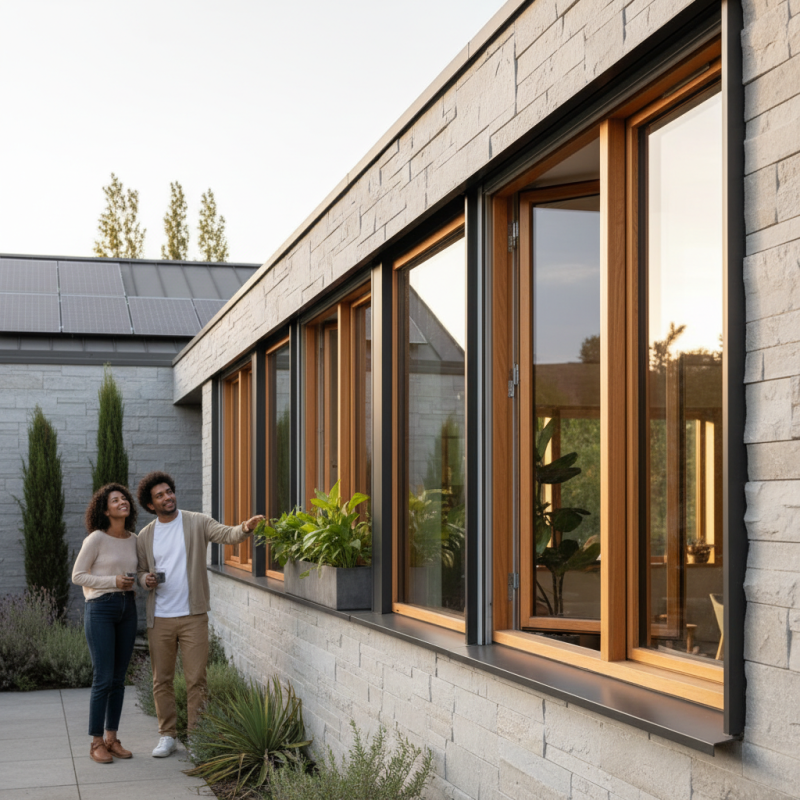
Clad Wood Windows Benefits for Global Buyers and Trends?
Clad Wood Windows represent a unique fusion of aesthetics and functionality. These windows combine the beauty of natural wood with a durable exterior. This trend is gaining traction among global buyers, fueled by growing demands for sustainable building materials.
The eco-friendly appeal of Clad Wood Windows cannot be ignored. Many homeowners appreciate their energy efficiency and long-lasting performance. However, there are concerns about the initial cost and maintenance. Buyers must weigh these aspects carefully. It's vital to consider how these windows will fit into diverse architectural styles and climates.
As the market evolves, awareness of Clad Wood Windows' benefits continues to rise. Professionals highlight their ability to enhance property value. Still, potential buyers should reflect on their personal preferences and local building regulations. Understanding these factors is essential in making an informed decision.
Overview of Clad Wood Windows and Their Rising Popularity
Clad wood windows are becoming increasingly popular among homeowners. These windows combine the warmth of wood with the durability of aluminum or vinyl. This unique combination appeals to buyers seeking both aesthetic and functional benefits. Many homeowners appreciate the rich, natural look of wood on the interior, while also valuing the weather-resistant exterior.
Recent trends show a growing preference for energy-efficient solutions. Clad wood windows excel in insulation, reducing energy costs. However, some may worry about the initial investment. The long-term savings can outweigh upfront pricing. Many buyers notice that the style options available suit various architectural designs, enhancing curb appeal.
A potential drawback is maintenance. While the exterior is low-maintenance, wood interiors may require occasional upkeep. Buyers should consider their lifestyle before committing. It's essential to weigh benefits against maintenance needs. Overall, the rising popularity of clad wood windows reflects a blend of style, durability, and energy efficiency, catering to a diverse range of homeowner preferences.
Key Benefits of Clad Wood Windows for Global Consumers
Clad wood windows have gained popularity among global consumers due to their unique combination of beauty and durability. These windows feature a wooden interior encased in a protective exterior, typically made from vinyl or aluminum. This design offers an attractive look while minimizing maintenance needs. Homeowners appreciate the sleek appearance of wood, which can be easily customized in various finishes.
One standout benefit of clad wood windows is their energy efficiency. They help maintain consistent indoor temperatures, reducing heating and cooling costs. Consumers are increasingly focused on sustainability, and clad wood windows align with eco-friendly building practices. The wood used can often be sourced from responsibly managed forests. However, not all wood selections are equal in sustainability, which consumers need to consider.
While clad wood windows provide many advantages, they are not without challenges. The upfront cost can be higher compared to traditional vinyl windows. Additionally, improper installation can lead to issues like moisture penetration. It's crucial for buyers to ensure they work with skilled professionals. Understanding these aspects can lead to more informed choices, enhancing the purchasing experience.
Sustainability and Energy Efficiency Trends in Clad Wood Windows
Clad wood windows are gaining attention for their sustainability and energy efficiency. These windows combine the natural beauty of wood with protective cladding, often in materials like vinyl or aluminum. This design not only enhances durability but also offers better insulation, reducing energy costs.
The trend towards sustainability is evident in the materials used. Many manufacturers now source timber from managed forests, ensuring that operations are environmentally friendly. However, there are concerns about the carbon footprint associated with the production of cladding materials. Proper recycling of these components is still a challenge, leading to some inefficiencies.
Energy efficiency is vital in today’s construction industry. Clad wood windows provide superior thermal performance. They can significantly lower heating and cooling costs over time. Still, buyers must research installation processes. Poor installation can undermine these benefits. Real-world experiences show that maintenance plays a crucial role in ensuring the longevity of these windows.
Comparative Analysis: Clad Wood vs. Traditional Window Materials
Clad wood windows offer significant advantages over traditional materials, making them popular among global buyers. A study by the American Forest & Paper Association indicates that clad wood windows can provide better insulation than vinyl or aluminum options. These windows combine the natural beauty of wood on the inside with durable, weather-resistant cladding on the outside, increasing lifespan and reducing maintenance.
For buyers considering window options, it's important to note the energy efficiency ratings of products. According to the Department of Energy, clad wood windows can reduce energy costs by 15% to 20% compared to traditional single-pane windows. This is particularly relevant in regions with extreme temperatures.
Tip: When selecting windows, consider the local climate and energy needs. Look for ENERGY STAR® certified products for improved efficiency. Additionally, assess your aesthetic preferences alongside long-term durability. While clad wood windows are generally a secure choice, they require proper installation to avoid moisture issues. Proper care will ensure they remain an excellent investment for years to come.
Future Prospects and Innovations in Clad Wood Window Design
Clad wood windows are gaining traction in the global market. Their blend of traditional aesthetics and modern durability appeals to many buyers. Innovative designs are emerging, becoming more energy-efficient and environmentally friendly. According to a report by Grand View Research, the clad wood window market is projected to grow at a CAGR of 5.4% from 2023 to 2030, indicating significant demand.
One notable trend is the integration of smart technology into window designs. Manufacturers are exploring options like automated opening and closing mechanisms. This innovation enhances energy efficiency by optimizing natural ventilation. However, technology integration raises questions about cost management. High-end features may deter cost-sensitive buyers, despite their potential long-term benefits.
Another focus area is sustainable materials. Increasing consumer awareness of environmental impact prompts innovative uses of reclaimed wood and eco-friendly finishes. However, challenges in sourcing and preserving reclaimed materials can complicate production processes. Thus, while the trend appears promising, it requires careful consideration and development to balance sustainability with practicality.
Clad Wood Windows Benefits for Global Buyers and Trends
| Benefit/Trend | Description | Market Demand | Future Prospects |
| Aesthetic Appeal | Clad wood windows combine natural beauty of wood with durability. | Increasing preference for eco-friendly materials. | Growth in sustainable design and construction. |
| Energy Efficiency | High insulation values reduce energy consumption. | Rising demand for energy-efficient products. | Innovation in insulation technology. |
| Low Maintenance | Durable exteriors require less upkeep than traditional wood. | Busy lifestyles pushing demand for low-maintenance options. | Future products may include self-cleaning surfaces. |
| Customization Options | Wide variety of colors and finishes available. | Increased consumer desire for personalized products. | Advancements in manufacturing techniques for better customization. |
| Sustainability | Made from renewable resources, appealing to eco-conscious consumers. | Growing market for green building products. | Innovations in sourcing and production with sustainability in mind. |