How to Choose the Best Sliding Aluminium Doors for Your Home?
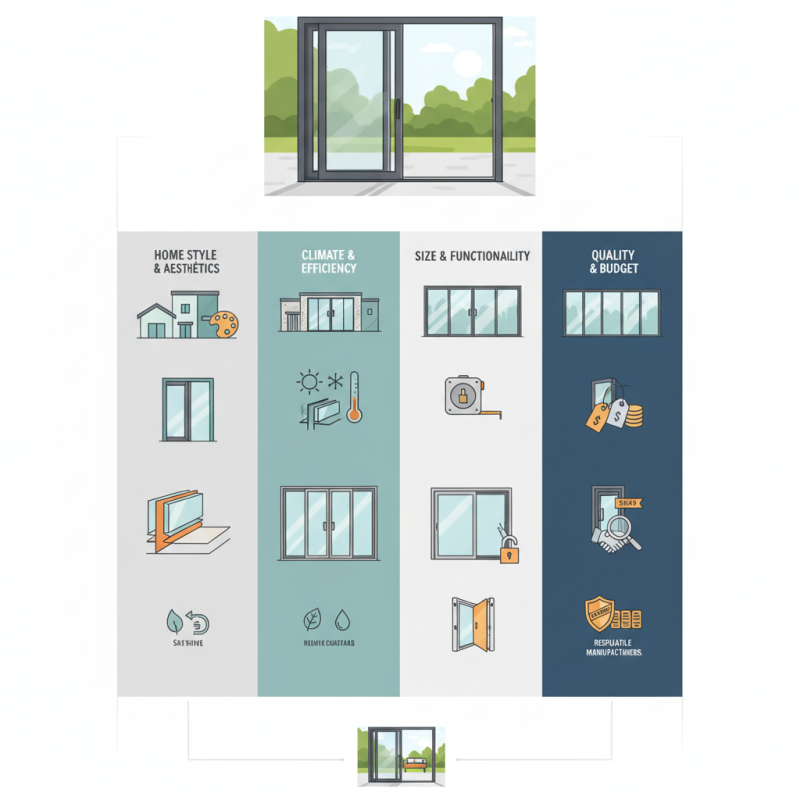
When selecting the right Sliding Aluminium Doors for your home, several factors come into play. These doors offer modern aesthetics and enhance natural light. However, choosing the perfect ones isn't always straightforward. Your home's style, climate, and your budget all matter.
Sliding Aluminium Doors can vary greatly in design and function. Some may feature high-energy efficiency, while others might prioritize durability. It's important to consider the size and performance. Not every choice fits every home. You might fall in love with a design, only to find it doesn't suit your environment.
Quality is crucial. Place your trust in reputable manufacturers. Look for options that come with warranties. These create confidence in your choice. Your Sliding Aluminium Doors should blend style and practicality. They should serve you well in the years ahead. It's worth taking the time to explore different options before making a decision.
Understanding the Benefits of Sliding Aluminium Doors in Home Design
Sliding aluminium doors offer numerous benefits for modern home design. Their sleek, minimalistic appearance can enhance any space. These doors allow natural light to flood in, brightening rooms and creating a welcoming atmosphere. You can enjoy views of your garden or balcony without barriers. This connection to the outdoors is priceless.
Durability is another strong point. Aluminium is resistant to rust and can handle various weather conditions. Homeowners appreciate low-maintenance features, which means more time enjoying life and less time on upkeep. However, the effectiveness of insulation can vary. Choosing the right glass and frame is crucial for
energy efficiency.
Another aspect to consider is
security. Quality sliding doors equipped with advanced locking systems can deter thieves. Yet, it's important to research features thoroughly. Some doors may lack the robustness needed for optimal security. Investing time in understanding your options will ultimately lead to a more satisfying purchase.
Key Factors to Consider When Choosing Sliding Aluminium Doors
When selecting sliding aluminium doors, several key factors deserve careful consideration. First, the door's size is crucial. Measure your space accurately to ensure a perfect fit. Oversized doors can disrupt the aesthetic flow, while undersized ones may lack functionality. Think about how the door opens and integrates with your home’s layout.
Another important factor is thermal efficiency. Look for doors with high-quality insulation. Poor insulation can lead to drafts, increasing energy costs. Check for energy ratings to gauge performance levels. Don’t overlook aesthetics, too. The finish and style should complement your home’s design. Color and texture choices play significant roles. A well-chosen door can enhance curb appeal dramatically.
Finally, consider the security features of the sliding door. Look for reliable locking mechanisms and reinforced frames. Weak security can lead to vulnerabilities. Also, ponder the maintenance requirements. Aluminium doors usually offer low maintenance but be aware of occasional upkeep needs. Reflect on these aspects to find the perfect fit for your home.
Comparing Energy Efficiency Ratings for Sliding Aluminium Doors
When selecting sliding aluminium doors, energy efficiency is a critical factor. Many homeowners overlook this aspect, missing out on significant savings. According to the U.S. Department of Energy, efficient doors can save 15% on heating and cooling costs. This data underscores the importance of understanding energy efficiency ratings when making your choice.
Energy efficiency ratings are indicated by the U-factor and the Solar Heat Gain Coefficient (SHGC). The U-factor measures how much heat escapes through the door. A lower U-factor signifies better insulation properties. Similarly, SHGC evaluates how much solar heat enters through the door. Opting for a door with a low SHGC can help maintain comfortable indoor temperatures. Reports suggest doors with U-factors below 0.30 and SHGC below 0.25 provide substantial benefits. However, realizing these attributes often requires more upfront investment, which can deter some buyers.
Balancing efficiency with cost can be challenging. It’s vital to analyze long-term savings against initial expenses. Research indicates that over a 20-year span, investing in energy-efficient sliding doors can repay their cost through reduced utility bills. Homeowners must weigh these factors carefully, ensuring they choose a product that not only meets aesthetic preferences but also contributes to their energy efficiency goals.
Materials and Construction Quality: What to Look For
When selecting sliding aluminium doors, materials and construction quality are crucial. Aluminium offers durability. It resists rust and corrosion. According to the Aluminium Federation, aluminium windows and doors can last over 30 years with proper care. However, not all aluminium is equal. Some are thinner, which can lead to concerns about stability.
Examining construction quality is essential too. Look for multi-chambered profiles. These enhance thermal performance. A report by the UK Building Research Establishment states well-insulated doors can reduce energy bills by up to 20%. Additionally, investigate the glazing options. Double or triple glazing improves insulation. This means better energy efficiency for your home.
While aluminium doors are often low-maintenance, installation matters. Poor installation can lead to air leaks. Over time, this can affect comfort and energy efficiency. Take your time in choosing the right installer. Their experience can make a significant difference in performance. Reviews and recommendations from previous customers can provide insights into their reliability.
Installation Options: Professional vs. DIY for Aluminium Doors
When deciding on installation options for sliding aluminium doors, you’ll encounter two main paths: professional installation or DIY. Professional installers bring expertise. They ensure that the doors fit perfectly. Their experience can prevent costly mistakes. However, their services can be pricey. With varying rates, it’s essential to budget carefully. Still, the peace of mind they offer may justify the cost.
On the other hand, choosing a DIY approach can be rewarding. If you have some handyman skills, you can save money. Research your door’s installation process thoroughly. Watch tutorial videos to understand the steps. Have the right tools on hand, as this affects the quality of the job. But, reflect on your skills honestly. Poor installation can lead to issues down the line. Misalignment or leaks might occur, jeopardizing your investment.
Ultimately, weigh the pros and cons of each option. Professional installation guarantees quality but comes at a price. On the flip side, DIY provides savings but risks mistakes. The choice depends on your confidence and budget. Make a decision that aligns with your home improvement goals.