How to Choose the Best Interior Wood Doors for Your Home?
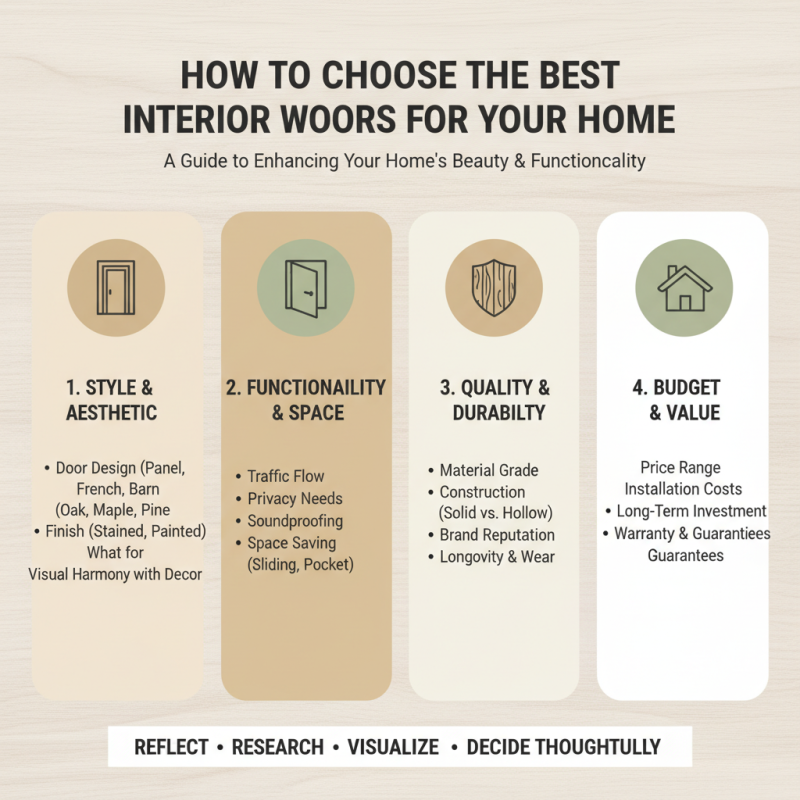
Choosing the right interior wood doors can transform your home. They add beauty and functionality to each space. The variety of styles and finishes available makes it challenging to find the perfect match.
When selecting interior wood doors, consider factors like wood type, color, and design. Each choice influences the overall aesthetic of your home. Take time to visualize how each door will fit your style and needs. You might find that some options don't resonate well. This reflection is essential.
Interior wood doors can vary widely in price and quality. A more expensive option may not always mean better durability. Researching brands and materials is vital. Inadequate knowledge could lead to regrets later. A thoughtful decision process will help ensure that your interior wood doors truly complement your home.
Understanding Different Types of Interior Wood Doors
When choosing interior wood doors, it's crucial to understand the different types available. Solid wood doors offer durability and sound insulation. They can be heavy and may require extra support during installation. This is a key factor to consider, especially in homes with uneven floors.
Hollow core doors are lightweight and cost-effective. They consist of a wooden frame and cardboard or honeycomb center. While they are easy to handle, they do not provide the same sound insulation as solid wood. A hollow door may dent easily, reflecting potential issues in high-traffic areas.
Panel doors add character and depth to a room. They feature multiple panels and can be tailored in various designs. However, this customization often increases costs and lead times. Choosing the right door involves balancing aesthetics, budget, and functionality. It's essential to reflect on your home's environment and daily use.
Key Factors to Consider When Choosing Wood Doors
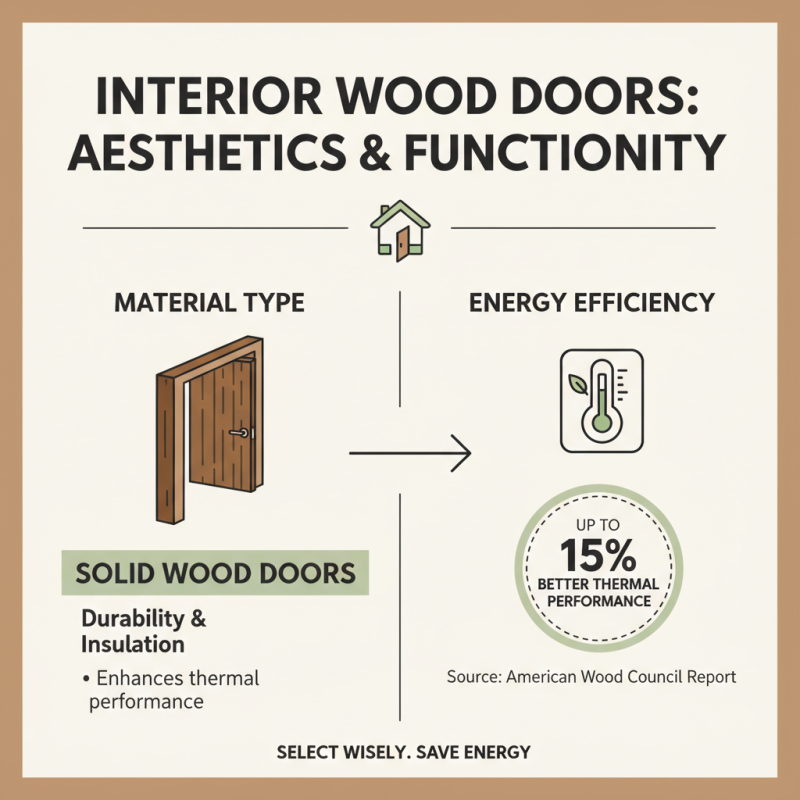
Choosing the right interior wood doors can significantly impact your home's aesthetic and functionality. When selecting wood doors, consider the material type. Solid wood doors offer durability and insulation. According to a report by the American Wood Council, solid wood doors can enhance thermal performance by up to 15%. This is important for energy efficiency.
Next, pay attention to the door design. A well-designed door should complement your interior decor. Research shows that homeowners often prefer traditional styles, but contemporary designs are gaining popularity. A study from the National Association of Home Builders reveals that 38% of new homebuyers prioritize style over functionality in door selection.
Also, think about the finish. The right finish can protect the wood and elevate its look. Unfortunately, many overlook maintenance needs. Some finishes require frequent reapplication. That can be time-consuming. According to a survey by Houzz, 25% of homeowners regret not considering long-term care when choosing finishes. Understanding these factors can lead to better decisions.
Evaluating the Style and Design of Wood Doors for Your Home
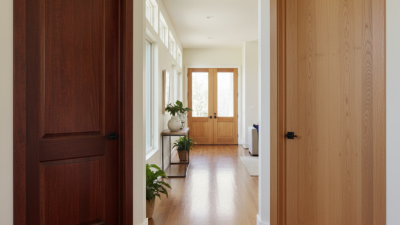
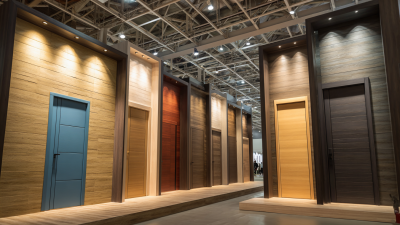
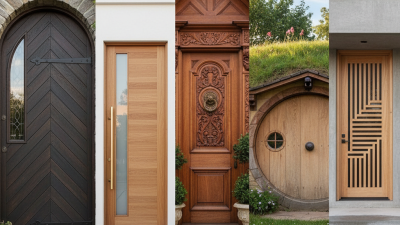
When evaluating the style and design of wood doors for your home, consider the overall aesthetic. Different styles can dramatically change your space. Traditional doors often feature intricate designs. Modern doors tend to be simpler, with clean lines. Choose a style that reflects your taste while complementing your home's interior.
Tips: Think about the color of your wood doors. Lighter shades can brighten a room. Darker tones add warmth and elegance. Test samples in your space. Lighting can alter how colors appear.
Also, pay attention to door size and proportion. A door that is too small can feel underwhelming. Conversely, oversized doors can overwhelm a space. Measure carefully. It’s about balance. Reflect on the door's texture too. Smooth finishes offer a contemporary feel, while rustic textures add charm. Don’t rush this choice; take your time to find the perfect match.
How to Choose the Best Interior Wood Doors for Your Home?
| Dimension |
Description |
Style/Design |
Material Options |
| Height |
Standard height is typically 80 inches. |
Traditional, Modern, Rustic |
Solid wood, Hollow core, MDF |
| Width |
Common widths are 24", 28", 30", 32", and 36". |
Contemporary, Craftsman, Classic |
Oak, Pine, Cherry |
| Thickness |
Usually ranges from 1.375" to 1.75". |
Panelled, Flush, Glass Inserts |
Birch, Mahogany, Walnut |
| Finish |
Can be painted, stained, or left natural. |
Sleek, Textured, Distressed |
Veneer, Laminate, Solid |
| Cost |
Price varies widely based on style and material. |
Economical, Mid-range, Luxury |
Composite, Engineered, Reclaimed Wood |
Assessing Wood Door Durability and Maintenance Requirements
Choosing interior wood doors starts with understanding their durability and maintenance needs. Some woods resist wear, while others may dent or scratch easily. For high-traffic areas, consider harder woods like oak or maple, which endure daily use. Softer woods can seem appealing due to their cost, yet they might require more frequent repairs.
Regular maintenance is vital. Most wood doors need refinishing every few years. This keeps them looking fresh and protects against moisture. Cleaning is essential too. Dust and grime can accumulate, leading to deterioration. A quick wipe-down once a month can make a huge difference.
Assess your environment. Humidity can warp wood. If you live in a damp area, consider using a proper sealant to protect your doors. Sometimes, initial costs can be misleading. The cheapest option might not last long, leading to higher expenses down the road. Pay attention to details. Even the best wood needs love and care to maintain its beauty and function.
Budgeting for Your Interior Wood Door Selection and Installation
Budgeting for interior wood doors is crucial. Determine how much you're willing to spend. Consider the total cost, including
materials and installation. Quality doors can be expensive, but they are an investment. You want something durable that enhances your home’s appeal.
Prepare for surprises in pricing. Sometimes, additional hardware or modifications are needed.
Think about the types of wood you prefer. Hardwoods can be pricier than softwoods. You might love the
look of oak or cherry, but it can stretch your budget. Compare costs between different options. Don’t forget to factor in installation costs.
Hiring a professional may save you time and stress. However, do you really need a pro for simple installs?
Be aware of hidden costs. Shipping fees can add up. Also, consider if you need pre-hung doors or just slabs.
Each choice impacts your budget. It’s easy to get caught up in aesthetics but stay grounded. Make choices that fit within your financial plan.
Reflect on your choices to ensure they align with your overall goals for your home.