How to Choose the Best House Doors for Your Home: A Complete Guide
When it comes to enhancing the aesthetics and security of your home, choosing the right house doors is paramount. According to a recent report by the National Association of Home Builders, over 70% of homeowners prioritize entryway aesthetics in their home renovation projects. This statistic underscores the significance of house doors not only as functional barriers but also as key design elements that contribute to the overall appeal of a residence.
Industry expert Martin Reynolds, a leading architect in residential design, emphasizes, “The front door is the mouth of the home; it speaks volumes about the property and sets the tone for what lies beyond.” This insight reflects the essential role that house doors play in establishing a welcoming entry, showcasing the home's personality, and ensuring safety. As you embark on your journey to select the best house doors for your space, it's crucial to consider factors such as material, style, and energy efficiency, which collectively impact the home's value and comfort.
Types of House Doors: Understanding Your Options
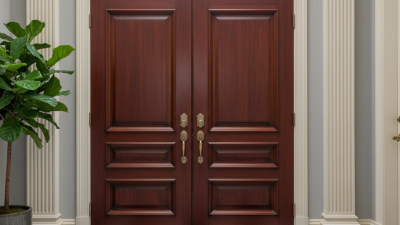
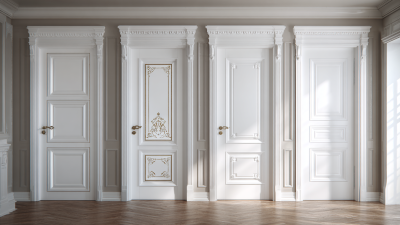
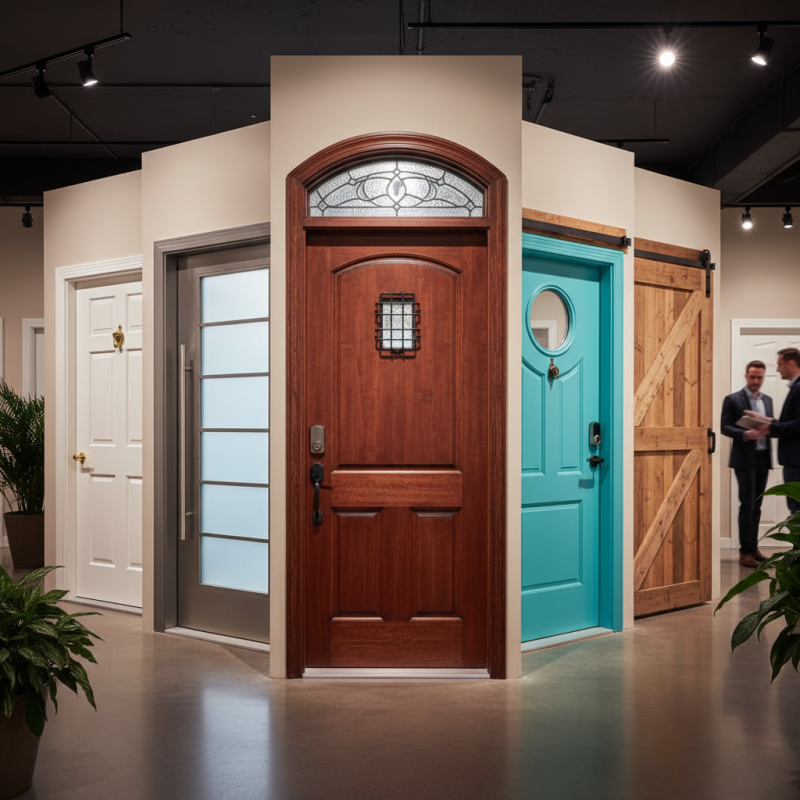
When choosing the best house doors for your home, it’s essential to understand the different types available and how they can meet your needs. The main categories of house doors include exterior doors, which provide security and curb appeal, and interior doors, which function to divide spaces. Exterior doors can be made of wood, fiberglass, or steel, each offering varying levels of durability and insulation. Interior doors typically come in styles like panel, french, or sliding, allowing homeowners to create a cohesive aesthetic throughout their spaces.
When considering the type of door, think about the climate in your area. For instance, steel doors can be an excellent choice for regions with extreme weather due to their robust durability and exceptional insulation properties. On the other hand, wooden doors can add warmth and charm but may require more maintenance if exposed to humidity.
**Tips:** Always factor in the door's design and color in relation to the overall style of your house. A well-chosen door can enhance your home’s exterior aesthetics and increase its value. Additionally, consider the energy efficiency of the materials used; doors with good insulation will help save on heating and cooling costs over time.
Materials for House Doors: Wood, Steel, Fiberglass, and More
When selecting the best house doors for your home, the material is one of the most crucial factors to consider. Each type of material offers distinct advantages and disadvantages, which can significantly influence your home's aesthetics, security, and energy efficiency.
Wood doors are a timeless choice, providing a classic look that can enhance the warmth of any home. They are highly customizable, allowing for a variety of styles, finishes, and colors. However, it is essential to consider that wood may require regular maintenance to protect against weathering and warping, particularly in areas with extreme climates.
On the other hand, steel doors are known for their strength and durability, offering excellent security features. They are resistant to bending or warping and often come with an insulated core, making them energy-efficient. Fiberglass doors, similar to steel in terms of security, are also resistant to dents and scratches while being less susceptible to rust or corrosion.
Tips: When choosing a door material, consider the climate in your area. If you live in a region with excessive humidity or moisture, fiberglass might be a better option over wood. Additionally, think about the desired level of maintenance—if you prefer something low-maintenance, steel or fiberglass may be preferable. Lastly, always evaluate the door’s energy efficiency rating, as this can impact your home's energy bills over time.
Choosing the Right Size and Style for Your Home’s Aesthetic
When selecting house doors, the size and style should harmonize with your home’s overall aesthetic. The dimensions of the door are crucial, not only for functionality but also to enhance visual balance. A disproportionately large or small door can disrupt the architectural flow and create an unwelcoming effect. Measure the doorframe accurately and consider the height and width in conjunction with other exterior features such as windows and trim. This thoughtful approach ensures that your entryway feels cohesive and inviting.
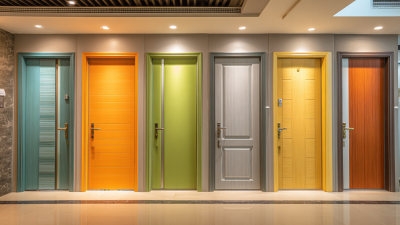
In addition to size, the style of the door plays a pivotal role in expressing your home’s character. Whether your home leans towards traditional, modern, or rustic, the door should complement that style. For instance, a classic wood door with intricate carvings might suit a Victorian home, while a sleek glass door could enhance a contemporary space. Pay attention to details like hardware and color; these elements can either elevate the design or clash with it. Ultimately, the right combination of size and style will not only increase curb appeal but also create a sense of harmony in your living environment.
Chart: Popular Door Styles for Home Aesthetic
Energy Efficiency and Security Features in House Doors
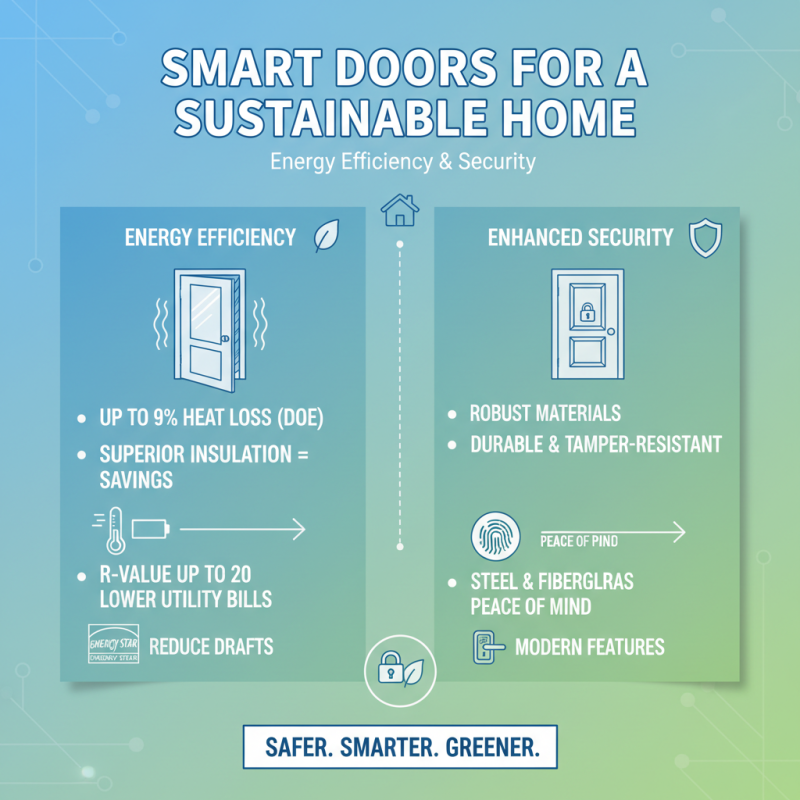
When choosing house doors, energy efficiency and security features are paramount for homeowners seeking to enhance the safety and sustainability of their living spaces. According to the U.S. Department of Energy, exterior doors account for approximately 9% of heat loss in homes, making it crucial to select doors that offer superior insulation. Modern materials such as fiberglass and steel provide the best thermal performance, with fiberglass doors having an R-value of up to 20, which significantly reduces energy costs over time. Moreover, Energy Star-rated doors not only improve comfort by minimizing drafts but also contribute to lower utility bills, which is particularly beneficial during extreme weather conditions.
In addition to energy efficiency, the security of house doors cannot be overlooked. The Bureau of Justice Statistics reports that nearly 30% of home burglaries occur through an unlocked door, emphasizing the need for robust security features. Homeowners should consider doors equipped with multi-point locking systems, reinforced frames, and impact-resistant glass to deter intruders. Furthermore, the use of smart technology, such as keyless entry systems and security monitoring, enhances both convenience and safety, allowing homeowners to better control access to their properties. By prioritizing energy efficiency and security in their door selection, homeowners can create a safer and more sustainable environment.
Maintenance and Care Tips for Longevity of Your House Doors
House doors serve as both an aesthetic and functional element of your home. To ensure they remain in top condition, proper maintenance and care are essential. Regular inspection is key; look for signs of wear, such as peeling paint, cracks, or warped materials. Addressing these issues early can prevent more significant damage and extend the life of your doors.
Tip: Clean your doors with a gentle soap solution and a soft cloth. Avoid harsh chemicals that can damage the finish. Additionally, inspect the weather stripping and seals regularly to keep drafts out and maintain energy efficiency.
Another important aspect of door maintenance is lubrication. Hinges and locks can become stiff over time, making doors difficult to open and shut. A light application of a silicone spray or graphite can keep everything functioning smoothly.
Tip: Check the screws and hardware; ensure they are tight to avoid misalignment or noise when closing. This simple step can enhance the performance of your doors and contribute to their longevity.
How to Choose the Best House Doors for Your Home: A Complete Guide - Maintenance and Care Tips for Longevity of Your House Doors
| Door Type |
Material |
Energy Efficiency |
Maintenance Tips |
Expected Lifespan |
| Entry Door |
Fiberglass |
High |
Clean regularly, inspect seals |
30+ years |
| Patio Door |
Vinyl |
Moderate |
Lubricate tracks, check locks |
15-20 years |
| Interior Door |
MDF |
Low |
Wipe with a damp cloth, avoid moisture |
10-15 years |
| French Door |
Wood |
High |
Regular sanding and painting |
20-30 years |
| Security Door |
Steel |
High |
Inspect regularly for rust, maintain locks |
40+ years |