2025 How to Choose Quality Front Doors for Your Home Renovation
When embarking on a home renovation, one of the most significant aspects to consider is the selection of quality front doors. These doors not only serve as the first impression of your home but also play a crucial role in enhancing security, energy efficiency, and overall aesthetic appeal. Understanding the impact that high-quality doors can have on your property is essential, as they contribute to both functionality and value.
Choosing the right front door involves evaluating materials, designs, and features that best suit your home’s architecture and your personal style. From solid wood to fiberglass options, each material offers unique benefits and characteristics that can elevate your home’s entryway. Additionally, investing in quality front doors can improve insulation, which ultimately leads to energy savings and a more comfortable living environment.
In this guide, we will explore key considerations for selecting quality front doors, ensuring that your home renovation not only meets your design aspirations but also stands the test of time. By carefully considering factors such as durability, security features, and style, you can make an informed decision that enhances both your home's functionality and curb appeal.
Factors to Consider When Choosing Front Doors for Renovations
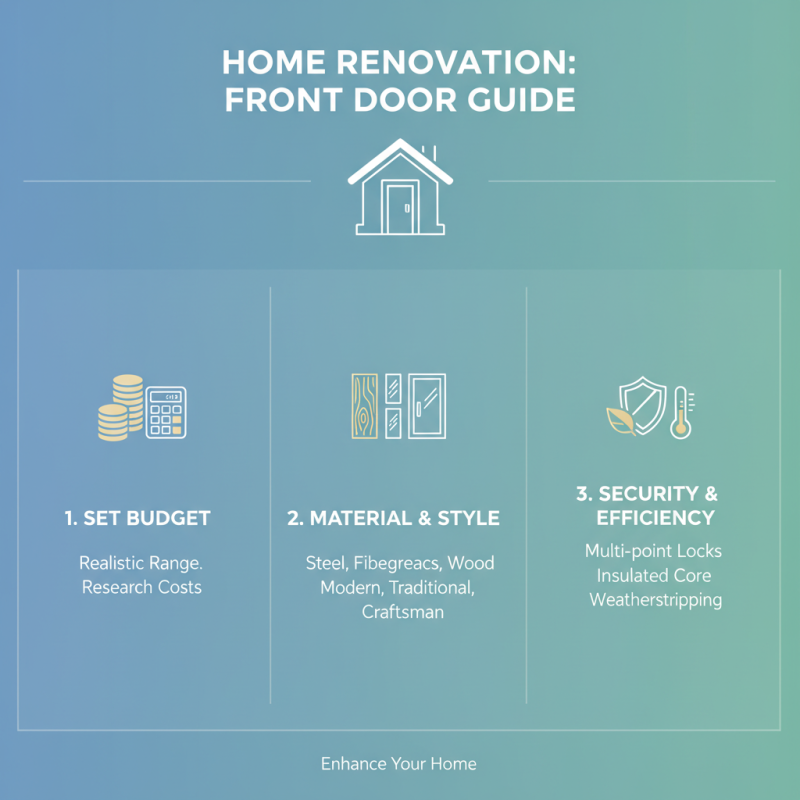
When choosing front doors for home renovations, several key factors must be considered to ensure both aesthetic appeal and functional durability. First, it's essential to evaluate the material of the door. Common options include wood, fiberglass, and steel, each offering unique benefits.
Wooden doors provide a classic look and can be customized easily, while fiberglass doors are known for their energy efficiency and lower maintenance needs. Steel doors, on the other hand, offer superior security and can withstand harsh weather conditions.
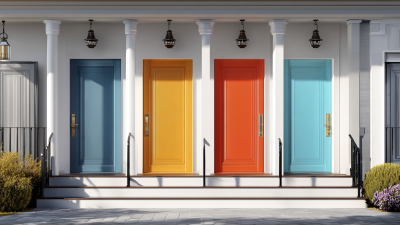
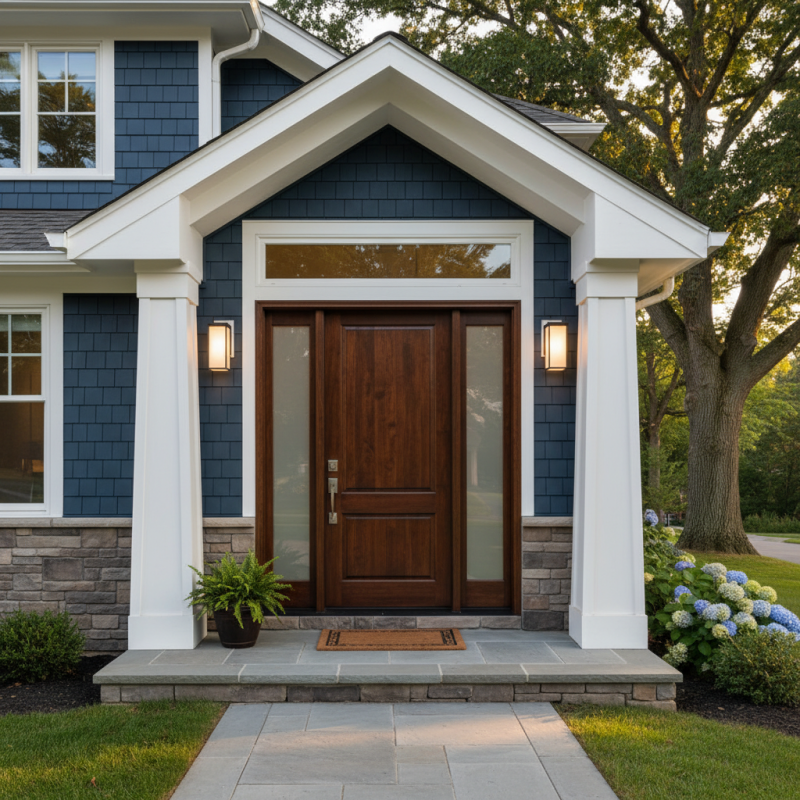
Another critical aspect is the door's style and design. The front door serves as a focal point for your home, making it vital to select a style that complements the overall architecture and enhances curb appeal. Consider elements such as color, finish, and decorative features, such as sidelights and transoms. Additionally, energy efficiency should not be overlooked; look for doors with good insulation properties, as they can significantly impact your home’s energy consumption and comfort level. Taking the time to assess these factors will help ensure you choose a front door that meets your aesthetic desires while providing practicality and security.
Types of Materials for Front Doors: Pros and Cons
When selecting a front door for your home renovation, it's essential to consider the various materials available, each with its unique advantages and disadvantages.
Wooden doors are a classic choice, offering natural beauty and excellent insulation. They can be customized in various styles and finishes, providing aesthetic appeal.
However, wooden doors require regular maintenance to protect against moisture and warping, which can be a drawback for homeowners seeking low-maintenance options.
In contrast, fiberglass doors provide an excellent alternative, combining durability with energy efficiency. They resist dents, rust, and warping, making them a practical choice for areas with extreme weather conditions.
While fiberglass can mimic the look of wood, some homeowners may find it less appealing in terms of aesthetics compared to the richness of a traditional wooden door.
On the other hand, metal doors, often steel, offer unmatched security and strength. Though they can be susceptible to dents and rust, proper finishing can mitigate these issues, and they typically require minimal upkeep.
Understanding the pros and cons of these materials will help you make an informed decision that aligns with your needs and style preferences.
Design and Style Options for Modern Front Doors
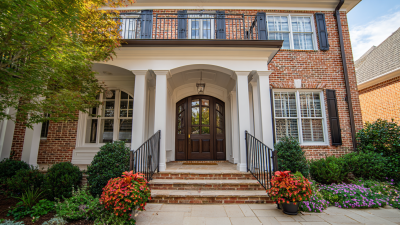
When selecting front doors for your home renovation, design and style play a pivotal role in defining the character and aesthetic of your space. Modern front doors come in a plethora of designs, ranging from sleek contemporary lines to warm, traditional styles. Glass elements are increasingly popular, allowing natural light to filter in while providing a welcoming appearance. Consider choosing a door with geometric patterns or integrated sidelight windows to enhance the visual appeal and create an inviting entrance.
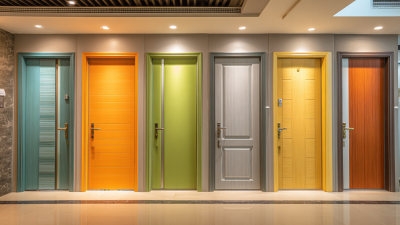
Another crucial aspect to explore is the material of the front door. Options such as fiberglass, steel, and wood each offer unique attributes that can complement various design themes. A fiberglass door, for instance, can mimic the look of wood while providing better durability and lower maintenance, making it an excellent choice for modern homes. On the other hand, a solid wood door can exude warmth and charm, perfect for those looking to maintain a classic or rustic aesthetic. Whichever material you choose, ensure it aligns with your home's overall design philosophy while considering factors like energy efficiency and security.
Quality Front Door Styles and their Popularity in Home Renovation (2025)
Energy Efficiency and Insulation Ratings for Front Doors
When selecting front doors for your home renovation, focusing on energy efficiency and insulation ratings is essential. Front doors are a pivotal barrier against outdoor elements, and their ability to insulate directly impacts your home’s energy consumption. Look for doors that have a high R-value, which measures thermal resistance; the higher the R-value, the better the door's insulation capabilities. Additionally, pay attention to the door’s weather stripping, as this feature prevents drafts and enhances energy conservation.
**Tips:** Consider opting for doors with a core made of foam or fiberglass, as these materials provide superior insulation. Furthermore, ensure that the door is equipped with energy-efficient glazing options, such as double or triple-pane glass, to minimize heat loss during winter months and keep your home cooler in the summer.
Another critical aspect involves door seals and frames. The material and quality of the frame can significantly affect how well the door performs in terms of insulation. Investing in high-quality weather seals will help maintain your home’s temperature, ultimately leading to lower energy bills. Always check for energy performance certifications to guarantee that your new front door meets the highest standards in efficiency and insulation.
2025 How to Choose Quality Front Doors for Your Home Renovation - Energy Efficiency and Insulation Ratings for Front Doors
| Door Material |
Energy Efficiency Rating (U-value) |
Insulation R-value |
Durability Rating |
Cost Range (USD) |
| Fiberglass |
0.15 |
6.67 |
High |
1,200 - 2,500 |
| Steel |
0.20 |
5.00 |
Medium |
800 - 1,500 |
| Wood |
0.25 |
4.00 |
Medium |
1,000 - 3,000 |
| Vinyl |
0.30 |
3.33 |
Low |
600 - 1,200 |
| Composite |
0.20 |
5.00 |
High |
1,500 - 3,000 |
Budgeting Tips for Quality Front Door Selection
When embarking on a home renovation project, selecting a quality front door is crucial, not just for aesthetics but also for security and energy efficiency. Establishing a budget is the first step in this process, as it will guide your choices and ensure you don’t overspend. Begin by setting a realistic range based on your overall renovation budget. Research the average costs of different materials, styles, and finishes to determine where you can allocate funds effectively.
Once you have a budget in mind, prioritize your needs and preferences. Consider the type of door that best suits your home’s architecture while still fitting within your financial limits. A solid wood door might be a classic choice, but fiberglass and steel options can provide better insulation and durability at varying price points. Take the time to compare prices from different suppliers and look for seasonal sales or discounts that can help you find the best value for your investment. By being budget-conscious and strategic, you can find a quality front door that enhances both your home’s curb appeal and security without breaking the bank.