How to Choose the Best Wood Front Door for Your Home?
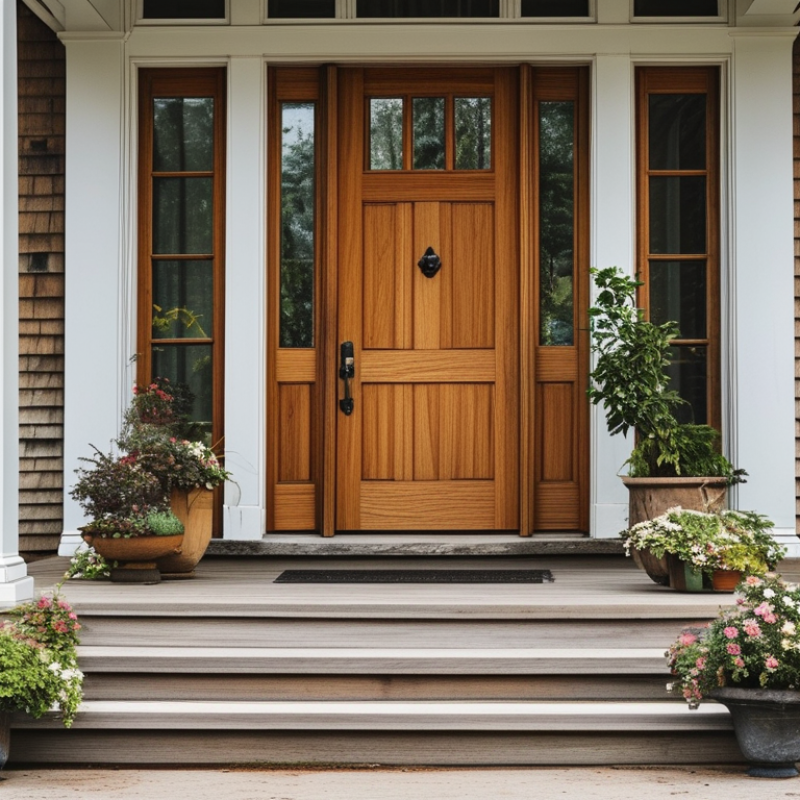
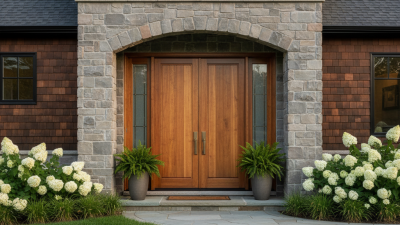
Choosing the perfect wood front door can significantly enhance your home’s curb appeal. Renowned architect Jane McLellan emphasizes, "The right wood front door creates a welcoming atmosphere." This highlights the importance of making a thoughtful decision.
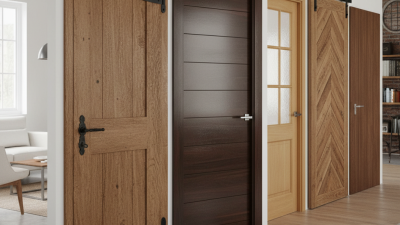
When selecting a wood front door, consider the wood type, style, and finish. Different woods, such as oak or mahogany, offer distinct looks and durability. A solid door adds security while also reflecting the architectural style of your home. The finish you choose can either complement or contrast with your exterior colors.
However, be mindful of maintenance requirements. Wood doors can warp or fade over time. Regular care is essential to preserve their beauty. Explore different options and consult experts for advice. A wood front door should not only look good but also meet your practical needs. Choose wisely.
Understanding Different Types of Wood for Front Doors
Choosing the right wood for your front door is essential for both aesthetics and durability. Different types of wood offer varied benefits and drawbacks. For instance, mahogany is known for its rich color and resistance to weather. However, it can be costly. Pine is more affordable but may not withstand harsh elements as well.
Cedar is another popular choice, known for its natural resistance to decay. Its pleasant aroma can enhance your entryway but does require regular maintenance. Birch and oak are visually striking but may warp if exposed to moisture. Each wood type brings unique characteristics that affect the door's longevity and look.
Think about your home's style and the climate you live in. A certain wood may suit a contemporary design but not hold up well in a moist environment. Be realistic about maintenance needs too. More upkeep means more commitment. Consider your preferences carefully, as the ideal front door is not just about appearance.
How to Choose the Best Wood Front Door for Your Home?
| Wood Type |
Durability |
Weather Resistance |
Appearance |
Cost |
| Oak |
High |
Good |
Classic grain pattern |
$$$ |
| Mahogany |
Very High |
Excellent |
Rich color and texture |
$$$$ |
| Pine |
Medium |
Fair |
Light and airy |
$ |
| Cedar |
High |
Good |
Warm color |
$$ |
| Douglas Fir |
Medium |
Good |
Straight grain |
$$ |
Evaluating Aesthetic Styles and Architectural Compatibility
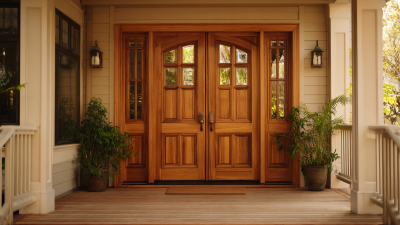
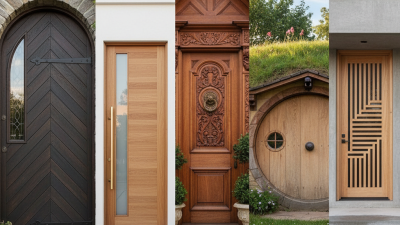
When choosing a wood front door, consider your home’s overall aesthetic. A door can be a focal point and should complement your home's style. If you have a traditional house, a classic six-panel door may suit it best. For a modern look, sleek lines and minimal ornamentation can enhance your entrance.
Tips: Visualize your front door in various styles. Take photos of your home’s facade and use design software to see how different doors look. This helps in narrowing down options.
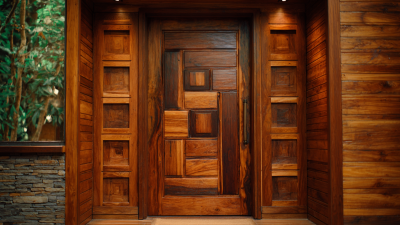
Architectural compatibility is crucial. Ensure that your door matches materials and colors used in your home. A rustic wooden door might clash with a contemporary design. It’s important to create harmony. Remember, one design flaw can disrupt your home’s overall appeal, so choose carefully.
Tips: Measure the door space accurately before selecting a new door. An ill-fitting door can strip away your home’s charm. Always consider practical aspects such as insulation and durability along with style. This balance is often overlooked.
Assessing Durability and Weather Resistance of Wood Doors
When choosing a wood front door, assessing durability and weather resistance is crucial. Wood doors can offer aesthetic appeal but must withstand the elements. According to the American Wood Council, well-maintained wood doors can last up to 30 years. However, exposure to moisture can lead to warping or rotting.
One popular option is a fiberglass door, which mimics wood but offers better resistance to moisture. Data from the National Association of Home Builders suggests that wood doors, if sealed correctly, can still provide great durability. Ensure the wood type is appropriate for your climate. For instance, cedar and redwood resist moisture better than others.
**Tips:** Always inspect the door periodically. Look for signs of wear or damage. A good seal can prevent water from entering. Consider applying a high-quality finish every few years to maintain the wood's integrity. Keep in mind that even the strongest wood doors will require care and attention over time. Test the door regularly to ensure it still functions as intended.
Durability and Weather Resistance of Wood Front Doors
Considering Energy Efficiency and Insulation Properties
When selecting a wood front door, energy efficiency and insulation properties are crucial. A well-insulated door can significantly reduce heating and cooling costs. Look for doors with a solid core and proper weather stripping. These features help maintain indoor temperatures and reduce energy loss.
Consider the wood species. Heavy woods like Mahogany or Oak provide better insulation than lighter options. They also resist warping or cracking, which can compromise insulation. Always check the door's R-value, which measures thermal resistance. Higher R-values indicate better insulation.
Tips for choosing an energy-efficient door:
- Search for doors with Energy Star certification.
- Ensure the door fits snugly within the frame. Gaps can lead to air leakage.
- Think about adding a storm door for extra insulation. A storm door can protect the primary door while providing an additional layer of protection against the elements.
While aesthetics are important, don't overlook how the door performs. A beautiful door should also keep your home comfortable.
测试可能会发现,快速安装可能会导致密封性差。 重新考虑一下您是否需要专业人员进行安装。
Choosing the Right Finish and Maintenance Requirements
Choosing the right finish for your wood front door is crucial. A high-quality finish enhances beauty and offers protection. Common options include varnish, stains, and paints. Each provides a different level of durability and appearance. For instance, stains can highlight the wood's natural grain while providing a rich hue. However, they may require more frequent reapplications.
Maintenance is another critical aspect. Without proper upkeep, even the best wood door can deteriorate. Regular cleaning helps prevent dirt buildup. Periodically check for signs of wear. Cracks or fading indicate it's time for a refresh. Use mild soap and water when cleaning to avoid damage.
Tips: Consider applying a sealant for added moisture resistance. It can prolong the life of your finish. Remember, not all finishes are equal. Conduct research to find the right match for your door and local climate. Many homeowners overlook this, leading to premature wear. Always test your chosen finish on a small area first. It’s a good way to avoid unexpected results.