Why Choose a Medical Massage Bed for Your Clinic Needs?
In the competitive world of healthcare, choosing the right tools is crucial. A Medical Massage Bed is more than just furniture; it enhances patient care and therapy efficiency. Dr. Emily Chen, a physical therapist with over a decade of experience, states, "The right massage bed can transform treatment outcomes." This insight underlines the importance of integrating quality equipment into clinical practice.
Having a Medical Massage Bed can boost comfort and relaxation during therapy sessions. It can support proper body alignment, reducing strain on both therapists and patients. Many clinics overlook the impact of their equipment. Investing in a high-quality bed may seem costly but can lead to better patient satisfaction and retention.
Choosing a Medical Massage Bed requires careful consideration of various factors. Features, durability, and adjustability all play a vital role. It’s essential to remember: not all beds are created equal. Some models may not provide the needed support or comfort, leading to dissatisfaction. Reflecting on these aspects is necessary for making wise decisions in your clinic.
Importance of Comfort and Support in Patient Care
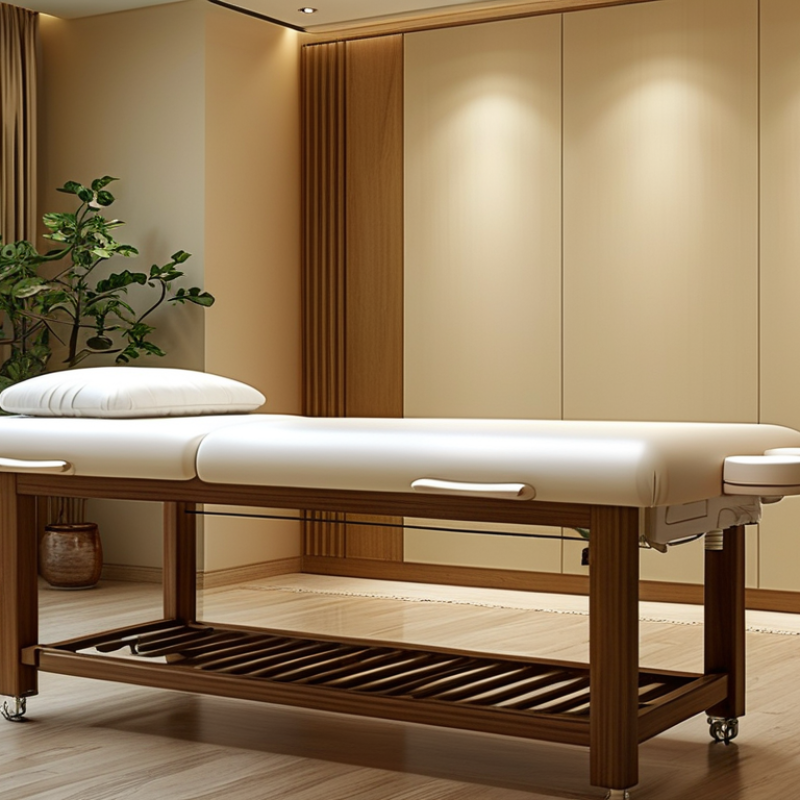
In a clinical setting, patient comfort is paramount. Research shows that 70% of patients report reduced anxiety and improved outcomes when they feel comfortable during treatment. A medical massage bed can significantly enhance patient satisfaction. These beds are designed with ergonomic support and cushioning that alleviate pressure points. The right bed can make all the difference during long procedures.
Supportive equipment reduces physical strain on both patients and healthcare providers. The The Journal of Physical Therapy Science indicates that optimal positioning on a well-designed bed can improve overall treatment effectiveness by up to 30%. However, not all beds meet these standards. Clinics must carefully evaluate the comfort level and adjustability before making a choice. Some tools provide limited support, leading to discomfort and potentially sluggish recovery.
Patient feedback is crucial. Many healthcare providers underestimate the connection between a comfortable bed and patient trust. Investing in high-quality massage beds doesn’t just reflect professionalism; it reveals a commitment to patient care. Consider the impact on both the provider and patient experience. It's essential to reflect on whether current equipment meets those critical comfort standards.
Key Features of Medical Massage Beds for Clinics
When selecting a medical massage bed, clinics should focus on essential features that enhance patient care. Comfort is paramount. Beds should have adjustable height settings to accommodate various patient needs. This feature allows therapists to work efficiently while ensuring patient comfort. Additionally, padding materials should be high-density foam to provide support without compromising on softness.
Durability is another key consideration. Medical massage beds are an investment. They should withstand daily use while maintaining their structure. Look for beds with sturdy frames and easy-to-clean surfaces. This is crucial for a hygienic environment. Regular sanitation can prevent the spread of infections, making it essential for patient safety.
Tips: Choose a bed with a warranty. This can offset potential repair costs in the future. It's worth investing in quality. Also, consider beds that come with removable covers for easy washing. Investing in these features reflects your commitment to patient wellness. Look for feedback from other clinics to guide your decision.
Key Features of Medical Massage Beds for Clinics
This chart illustrates the importance levels of various key features considered essential when choosing medical massage beds for clinics. Each feature is rated on a scale from 1 to 10, reflecting its significance for enhancing patient care and comfort.
Comparative Analysis of Medical Massage Beds vs. Traditional Tables
When considering essential equipment for a clinic, the choice between medical massage beds and traditional tables can significantly impact patient experience. Medical massage beds typically feature adjustable settings, allowing practitioners to customize their approach for various treatments. This flexibility is crucial for accommodating diverse patient needs. By adjusting height and angle, therapists can work more efficiently, especially with patients who have mobility issues.
In contrast, traditional tables may lack these modern features. They often prioritize basic functionality over patient comfort. While they can be effective for simple treatments, they may not support therapeutic techniques that require positioning adjustments. Additionally, medical massage beds tend to be enhanced with supportive materials, promoting better body alignment during sessions. A comfortable setup leads to a more relaxed patient, often resulting in better outcomes.
Investing in a medical massage bed also does not come without challenges. Some practitioners may find the initial costs higher compared to traditional tables. Yet, the long-term benefits of improved patient satisfaction and potential for increased bookings can outweigh this concern. By evaluating both options carefully, clinics can make informed decisions that enhance treatment quality and reflect their dedication to patient care.
Why Choose a Medical Massage Bed for Your Clinic Needs?
| Feature | Medical Massage Bed | Traditional Massage Table |
| Durability | High durability with extended lifespan | Standard durability, may wear out quicker |
| Adjustability | Customizable height and adjustments for different treatments | Limited to fixed height adjustments |
| Comfort | Enhanced padding and ergonomic design | Standard padding, may not be ergonomic |
| Portability | Generally heavier, less portable | Lighter and easier to transport |
| Cost | Higher investment for quality and features | Generally more affordable |
| Usage | Designed for medical treatments and therapies | Suitable for general massage practices |
Benefits of Medical Massage Beds for Therapists and Patients
Medical massage beds offer significant benefits for both therapists and patients in a clinical setting. These beds are designed with the practitioner's needs in mind. They often feature adjustable height and sturdy supports, allowing therapists to work efficiently. A stable platform ensures that the focus remains on patient care. Therapists can perform various treatments without discomfort, which is vital for their long-term professional health.
For patients, medical massage beds improve the overall experience during therapy sessions. The cushioning is firm yet comfortable, promoting relaxation. Enhanced posture support helps reduce strain during treatments. Patients often report feeling more at ease on a specialized bed. This comfort can lead to better treatment outcomes and increased patient satisfaction.
However, not all medical massage beds are created equal. Some may not provide adequate support for specific body types. Therapists should consider their patients' unique needs when selecting equipment. A bed that works well for one case might not suit another. It's essential to evaluate the specific requirements and qualities of the beds available. Investing time in this process can lead to more effective treatments and happier patients.
Cost-Effectiveness and Durability of Medical Massage Beds in Clinics
When choosing a medical massage bed for your clinic, cost-effectiveness and durability should be priorities. A recent industry report shows that clinics can save up to 30% on operational costs when investing in high-quality medical massage beds. These beds tend to last longer than standard massage tables. This translates to fewer replacements and reduced maintenance expenses over the years.
Durability is crucial in a clinical setting. Medical massage beds are often designed to withstand heavy use, with high weight capacities and robust materials. A study highlighted that facilities using premium beds report 25% fewer repairs and damages. This reliability ensures a consistent experience for patients and therapists alike.
However, not all medical massage beds meet these standards. Some low-cost options may compromise on quality. It’s essential to evaluate materials and construction. Inspecting beds before purchase can reveal potential issues. Focus on features that enhance longevity, such as water-resistant upholstery and solid frame designs. Taking these steps can lead to better investments for your clinic's future.