How to Choose the Best Outdoor Counter Cabinet for Your Needs?
Choosing the right Outdoor Counter Cabinet for your needs can be a daunting task. Experts in the field emphasize the importance of functionality and style. John Harris, a well-known outdoor living designer, once stated, "A perfect Outdoor Counter Cabinet combines beauty with practicality."
When selecting an Outdoor Counter Cabinet, consider your space and lifestyle. Are you hosting frequent gatherings? Is your outdoor area small or expansive? These factors influence your choices. A well-designed cabinet can enhance your experience, creating a seamless transition between indoor and outdoor living.
Many options are available, but not all fit every need. Some cabinets prioritize storage over aesthetics. Others may look stunning but lack functionality. It's crucial to find a balance that suits your style and practical requirements. Reflecting on your needs can lead to better choices, ensuring your Outdoor Counter Cabinet enhances your space rather than complicates it.
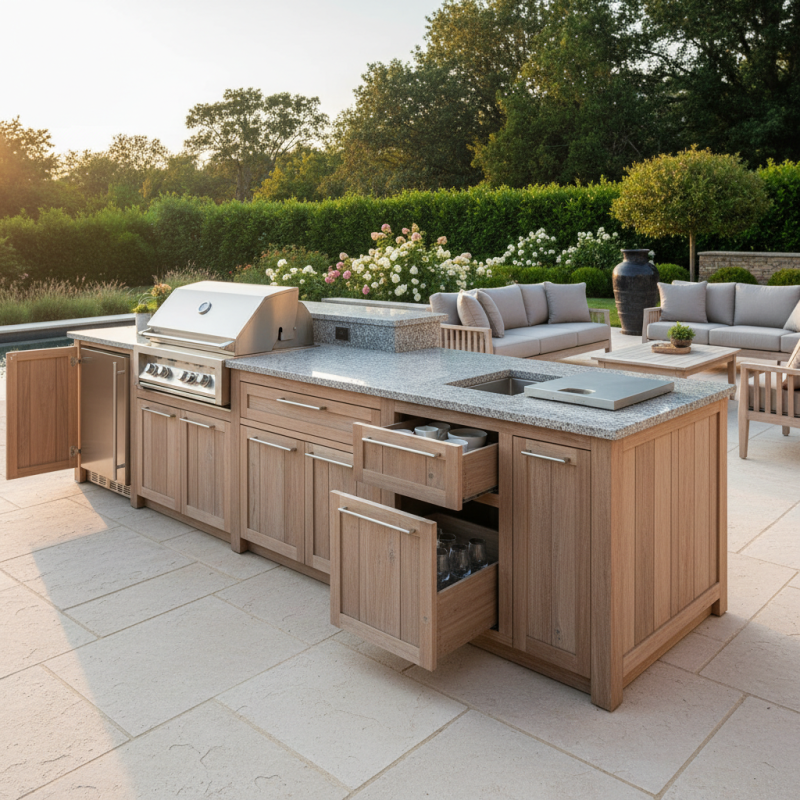
Factors to Consider When Selecting an Outdoor Counter Cabinet
When selecting an outdoor counter cabinet, several factors play a vital role. First, consider the material. Cabinets made from weather-resistant materials are preferable. Wood offers warmth but may require more maintenance. Metal or plastic options can provide durability and ease of cleaning. Assess your local climate; extreme weather may influence your choice.
Next, size and storage capacity matter. Measure the available space before making a purchase. Think about what you'd like to store. Plates, utensils, or outdoor tools? A cabinet that fits your needs can enhance your outdoor experience. Reflect on potential future needs, as your requirements may evolve.
Lastly, think about aesthetics. The cabinet should blend with your outdoor decor. However, don’t overlook practicality. A stylish cabinet that's challenging to access may lead to frustration. Evaluating these aspects can ensure you make an informed decision that enhances your outdoor area.
How to Choose the Best Outdoor Counter Cabinet for Your Needs?
This chart illustrates the key factors to consider when selecting an outdoor counter cabinet, along with their relative importance based on a survey of users.
Material Options for Outdoor Counter Cabinets: Pros and Cons
When selecting the ideal outdoor counter cabinet, the material plays a crucial role. There are various options to consider, each with distinct advantages and drawbacks. For instance, stainless steel cabinets are popular for their durability and sleek look. They resist rust and are easy to clean. However, their reflective surfaces can get very hot in direct sunlight, making them less practical for cooking purposes.
Wood, on the other hand, offers a warm and inviting aesthetic. Teak and cedar are often favored due to their natural resistance to moisture. However, wood requires regular maintenance, such as sealing and staining, to prevent rotting and fading. Without proper care, wood can succumb to the elements, affecting its longevity.
Plastic cabinets present an attractive alternative that is lightweight and affordable. They are often UV-resistant and can withstand harsh weather conditions. Yet, they may not provide the robustness of metal or wood. Over time, plastic can become brittle and fade in color. Each material has a unique set of features that cater to different needs and preferences. Evaluating these options carefully ensures you choose the most suitable outdoor counter cabinet.
Size and Space: How to Measure for an Outdoor Counter Cabinet
When selecting an outdoor counter cabinet, measuring the available space is crucial. Research indicates that nearly 40% of homeowners fail to accurately measure, resulting in ill-fitting furniture. To avoid this, you need to consider both width and depth. The standard depth for outdoor cabinets commonly ranges from 18 to 24 inches. A deeper cabinet allows for better storage capacity. However, it may also occupy more space, which could lead to a cramped setup.
Understanding the height is equally important. Outdoor counter cabinets typically range from 30 to 36 inches in height. The ideal height depends on your outdoor counter or bar setup. If you have a higher bar, a taller cabinet could complement it. According to industry standards, ensuring a comfortable working height is crucial for ease of use, as a height that’s too low can lead to back strain.
In addition to size, consider the layout. If your outdoor space is limited, vertical cabinets could be a smart choice. They use less floor space and maximize storage. However, if your layout allows for more expansive options, choosing wider cabinets can enhance utility. Just remember, not everyone gets it right. Many people find their chosen cabinet doesn’t fit their storage needs. Measuring twice and considering functionality will lead to a better decision.
Style and Design: Matching Your Outdoor Aesthetic
Choosing the right outdoor counter cabinet requires attention to style and design. Your outdoor space reflects your personality. An aesthetic mismatch can create visual confusion. According to the Outdoor Industry Association, 60% of homeowners prioritize outdoor aesthetics when selecting furniture.
Consider the overall theme of your patio or garden. If you have a rustic theme, opt for a cabinet made of reclaimed wood. For a more modern look, stainless steel or sleek finishes work well. Each material adds a different feel to your space. Remember, the color palette should also align. Neutral tones usually blend seamlessly, while bold colors can offer a dramatic flair.
Tips: Measure your space before purchasing. A cabinet too large can overwhelm your area. Check the durability of materials for weather resistance. Not all products are equally suited for harsh conditions. Read reviews or expert opinions if unsure. Personal style is vital, but functionality shouldn’t be overlooked. Aim for a balance between practicality and elegance in your choice.
Budgeting for Your Outdoor Counter Cabinet Purchase: Tips and Tricks
When budgeting for an outdoor counter cabinet, consider essential factors. The cost of materials varies greatly. For example, quality wood options average between $300 and $800. Metal cabinets can range from $500 to $1,200. Both must withstand weather conditions. Factors like durability and aesthetics should guide your choice.
Research shows that over 45% of homeowners underestimate accessory costs. For example, countertop materials, hinges, and handles often add an additional 20%. By preparing for these hidden costs, you improve overall satisfaction. Create a spreadsheet to compare similar products, ensuring accuracy in your budgeting process.
Another aspect to contemplate is installation. Some cabinets offer DIY assembly, saving on labor costs. This may reduce expenses by 30% or more. However, consider the trade-off of time and effort. Engaging a professional might offer greater peace of mind. Each option has its pros and cons. It ultimately comes down to personal preference and available resources.