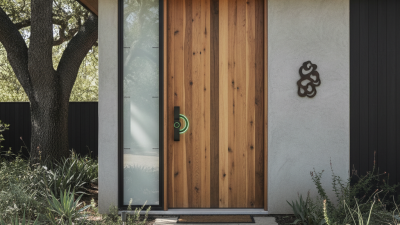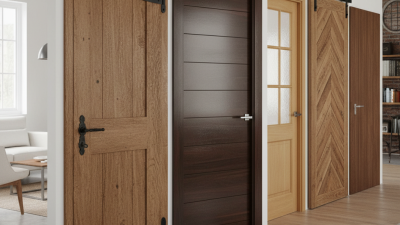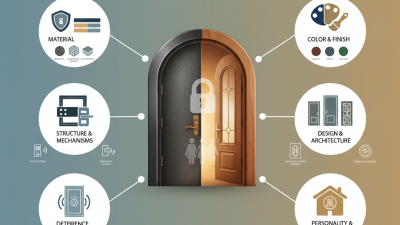
Choosing the best outside door is less about appearance alone. It is about weather, security, maintenance, energy performance, and daily use. A beautiful door can still fail if wind pushes rain beneath its threshold.
The U.S. Department of Energy identifies air sealing and weatherstripping as important parts of an efficient building envelope. Its Building America guidance also stresses careful installation around doors, where small gaps can create noticeable drafts. The U.S. Energy Information Administration’s Residential Energy Consumption Survey reports that space heating remains one of the largest household energy uses. That makes insulation and airtight fitting worth serious attention, even in mild climates.
Building-science expert Joseph Lstiburek describes the goal clearly: “The perfect wall is an environmental separator.” The same principle applies to an outside door. Fiberglass doors usually offer strong resistance to moisture and low maintenance. Steel doors can provide excellent security and value, although damaged coatings may allow rust. Wood delivers warmth and character, but it needs more regular inspection, sealing, and repainting.
There is no perfect choice.
A coastal homeowner may prioritize corrosion resistance. A cold-climate homeowner may value a well-insulated core and a thermally efficient frame. A busy household may prefer fiberglass because it tolerates scuffs, moisture, and seasonal movement. Still, product labels can mislead. U-factor, air leakage, threshold design, and installation quality deserve equal attention. Even the best outside door performs poorly when the rough opening is uneven. This guide compares each material honestly, including the compromises that are easy to overlook.
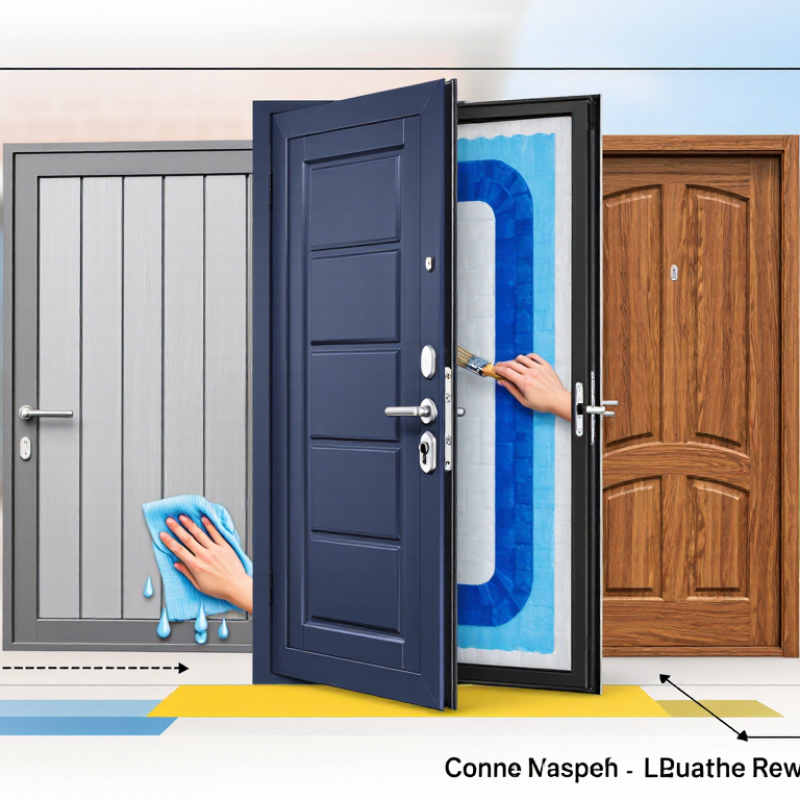
The best outside door depends on measurable performance, not appearance alone. NFRC U-factor shows how quickly heat moves through the door assembly. Lower values usually mean better insulation. Check the complete assembly, including the frame and glass, rather than the slab only. SHGC measures how much solar heat enters through glazed areas. A lower SHGC can reduce summer heat, while a moderate value may help in cold, sunny climates. Orientation matters. A south-facing glass panel behaves differently from a shaded entry.
Air leakage is another practical test. Lower leakage ratings help prevent drafts, dust, and moisture from entering around the weather seals. During inspection, look for continuous compression, tight corners, and a threshold that sits evenly. A small gap can undermine an excellent NFRC rating. Security ratings should come from recognized testing standards and cover the door, frame, hinges, locks, and glazing. A strong lock cannot compensate for a weak frame. Reinforced strike areas matter.
My first instinct was to choose the lowest U-factor available. That was too simple. Energy performance, sunlight, installation quality, and security must work together. A well-rated door can still perform poorly when installed out of square. Ask for documented NFRC values, air-leakage data, and security test results. Then inspect the installation details carefully. Numbers help, but they do not replace judgment.
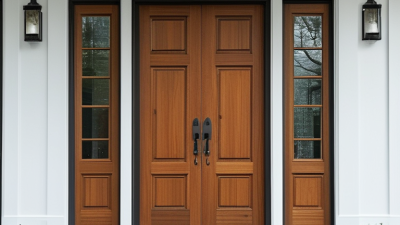
Choosing an outside door depends on your climate, security needs, and willingness to maintain it.
Steel offers strong resistance to dents and forced impact. However, a steel skin can transfer cold quickly without a well-insulated core. It may also rust when scratches expose the metal.
Fiberglass provides a useful balance. It resists moisture, warping, and everyday temperature changes better than many wood doors. Its insulated core can improve indoor comfort near the entryway. Still, fiberglass can crack after severe impact, and repairs may be less straightforward.
Wood feels solid and adds natural character. It also offers good insulation when properly sealed. Yet wood needs regular paint or stain, especially around the bottom edge.
In practical inspections, neglected thresholds often cause more trouble than the door material itself. No option wins every test. That is worth remembering.
Tips: Check the door’s insulation rating, weatherstripping, and threshold design. Ask how the frame handles water. A strong door performs poorly if installation leaves gaps. Steel suits security-focused buyers. Fiberglass suits damp or changeable climates. Wood suits owners who accept seasonal care. Test the hinges, latch, and closing pressure before buying. I would also inspect morning sunlight exposure. Dark finishes can become surprisingly hot. Small details matter.
Choosing the best outside door starts with your climate, not appearance. In cold zones, insulated fiberglass or steel doors can reduce heat loss around the entryway. Look for a low U-factor on the performance label. This measures how quickly heat passes through the door assembly. An ENERGY STAR-certified door has been tested against regional efficiency requirements. However, installation still matters. A poorly sealed frame can waste more energy than expected.
In hot, sunny zones, choose a door with a suitable solar heat gain coefficient, or SHGC. Lower values can limit unwanted heat through glazed sections. In humid areas, moisture-resistant materials and durable weatherstripping deserve attention. Wood can work well, but it needs careful finishing and regular inspection. I once underestimated a small threshold gap; wind and rain exposed the mistake within one season. Climate guidance is useful, but local shade, wind, and exposure can change the decision.
A strong outside door depends on installation, not only material. The U.S. Department of Energy reports that space heating uses about 42% of household energy. Small air leaks can therefore become expensive. Ask the installer to square the frame, fasten it through solid structure, and test the latch before adding trim. A door that closes unevenly may have poor shimming or frame movement. I have found that a perfect-looking slab can still whistle in winter when the jamb is slightly twisted.
Weather seals need careful attention. Check the threshold, corner seals, sweep, and compression around the entire frame. The National Fenestration Rating Council evaluates door products through U-factor and air-leakage ratings. Lower U-factor generally means better insulation. However, ratings describe the product, not careless fitting. An ENERGY STAR-qualified door can perform poorly if expanding foam bends the frame or leaves gaps behind the casing.
Tips: Use a thin sheet of paper to test compression around the seal. It should resist gently, not tear. Choose hardware operable without tight grasping or twisting. The 2010 ADA Standards specify at least 32 inches of clear opening for accessible doors and limit threshold height to one-half inch in many situations. Those rules mainly cover public facilities, but they offer useful guidance at home. My own preference is a lever handle, though maintenance needs can be underestimated. Inspect hinges, screws, and seals each year.
The best outside door is not always the cheapest one at checkout. Compare its full lifecycle cost instead. Include purchase, installation, energy use, repairs, warranty coverage, and replacement timing.
The U.S. Department of Energy’s Energy Saver guidance says air leakage can consume 25% to 40% of household heating and cooling energy. A poorly sealed door can make a hallway feel cold beside the threshold. Check the door’s U-factor and air-leakage rating through the National Fenestration Rating Council. Lower heat transfer can reduce utility costs, but savings depend on climate, exposure, and installation quality. The numbers are not universal.
Repairs matter. Track weatherstrip replacement, hinge adjustment, frame movement, repainting, and water damage. The National Association of Home Builders’ Study of Life Expectancy of Home Components lists wood exterior doors at 100 years or more, while well-maintained steel and fiberglass doors may last as long as the house. That estimate can feel optimistic in coastal or poorly drained locations. Read the warranty carefully. Labor, finish damage, glass, hardware, and installation errors may have different coverage periods.
Use this calculation: purchase price plus installation, energy costs, repairs, and expected replacement costs, minus verified energy savings and warranty-covered work. Then divide by expected service years. For example, a higher-priced door may cost less annually if it reduces drafts and avoids early replacement. My own calculation would include a repair reserve. Real homes are rarely perfect. A spreadsheet cannot fully price a warped frame, a leaking threshold, or the daily annoyance of a cold floor.
| Door Type | Typical Installed Cost | Typical Insulation R-Value |
Approx. U-Factor | Estimated Annual Energy Savings |
Annual Maintenance | 30-Year Repair Allowance | Expected Service Life | Typical Limited Warranty | 30-Year Replacement Allowance | Estimated 30-Year Net Cost |
|---|---|---|---|---|---|---|---|---|---|---|
| Insulated Fiberglass | $2,400–$4,000 | R-5 to R-7 | 0.14–0.20 | $75–$120 | $30–$60 | $400–$800 | 30–40 years | 10–25 years | $0 | $1,200–$3,600 |
| Insulated Steel | $1,800–$3,200 | R-5 to R-7 | 0.14–0.20 | $55–$95 | $25–$50 | $500–$900 | 20–30 years | 10–20 years | $1,800–$3,200 | $3,000–$6,900 |
| Solid or Engineered Wood | $3,000–$6,500 | R-2 to R-4 | 0.25–0.50 | $35–$75 | $70–$150 | $1,200–$2,400 | 20–35 years | 1–5 years | $0–$3,000 | $4,000–$12,650 |
| Thermally Broken Aluminum with Insulated Glass | $4,000–$8,000 | R-3 to R-5 | 0.20–0.32 | $45–$90 | $45–$90 | $800–$1,600 | 25–40 years | 10–20 years | $0–$4,000 | $4,450–$14,900 |
How the lifecycle estimate is calculated
Estimated 30-Year Net Cost = installed cost + maintenance over 30 years + repair allowance + replacement allowance − energy savings over 30 years.
Energy savings are estimates compared with an older, poorly sealed exterior door and assume normal residential use, moderate heating and cooling costs, and properly installed weatherstripping and flashing.
Actual results vary with climate, door size, glazing area, orientation, installation quality, local labor rates, utility prices, maintenance practices, and warranty terms. Costs are presented in approximate U.S. dollars and exclude financing, taxes, and rebates.