What is the Best Type of Doors Available in the USA?
When considering doors in the USA, choices abound. The types of doors available significantly affect aesthetics and functionality. According to the American Institute of Architects, doors can account for up to 10% of a home's overall value. Selecting the right doors can enhance security, energy efficiency, and appeal.
Fiberglass, steel, and wood doors each bring unique benefits. Fiberglass doors offer durability and resistance to warping. Conversely, wood doors provide timeless elegance and can be customized easily. Steel doors deliver exceptional strength and security features. However, every type has its drawbacks, such as maintenance needs and cost factors.
Understanding the best types of doors in the USA requires careful consideration. Industry insights reveal that homeowners often prioritize energy efficiency and design. This emphasizes the importance of knowledgeable selections. The right doors can transform spaces while ensuring safety. A well-informed decision results in lasting satisfaction and improved home value.
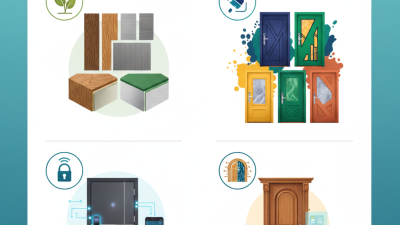
Types of Doors Commonly Used in the USA and Their Applications
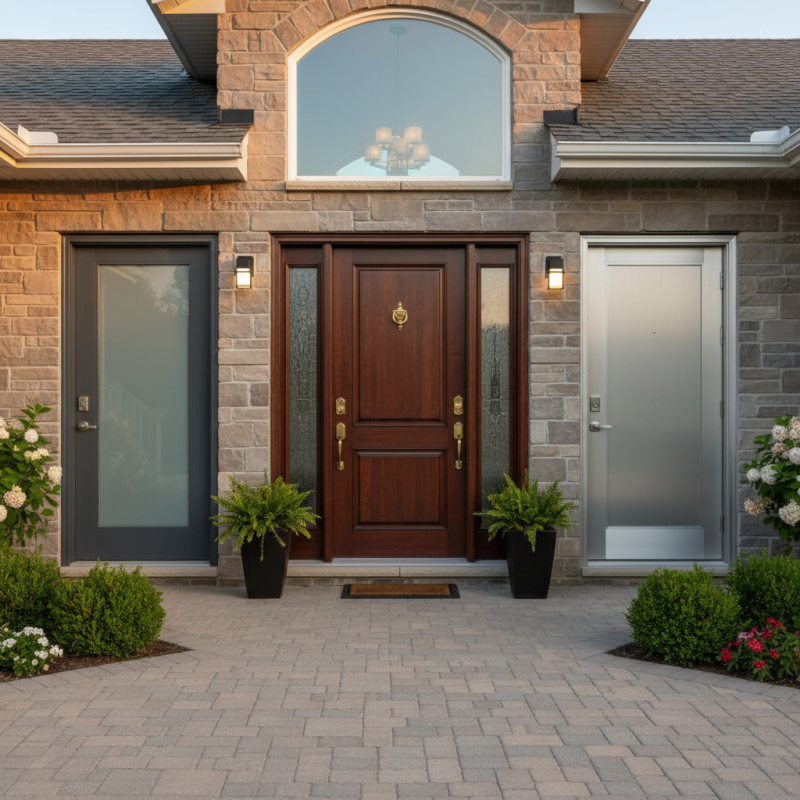
When it comes to choosing doors in the USA, several types stand out for their versatility.
Wooden doors are often favored for their aesthetic appeal. They provide excellent insulation. More than 40% of homeowners opt for wood doors for entryways. However, they require regular maintenance to prevent warping and damage.
Steel doors are another popular choice. They offer superior security and durability. According to a report by the National Association of Home Builders, nearly 28% of new homes include steel doors. While they can resist impacts better than wood, they might not offer as much insulation. Homeowners should consider their specific needs when choosing a door type.
Fiberglass doors have gained traction due to their low maintenance and energy efficiency. They can mimic the look of wood without the drawbacks. A study by the U.S. Department of Energy shows that fiberglass doors can improve energy efficiency significantly.
However, they may be prone to fading over time. Each door type brings unique challenges and benefits, making it essential to evaluate them carefully.
Comparative Analysis of Material Choices: Wood, Steel, Fiberglass, and Vinyl
When choosing doors for homes in the USA, material choice is crucial. Each option has unique advantages and disadvantages. Wood doors offer natural beauty and insulation. However, they require regular maintenance to prevent warping or rotting. A survey by the Home Improvement Research Institute noted that 30% of homeowners prefer wood for aesthetics but worry about longevity.
On the other hand, steel doors are durable and offer better security. They resist dents and rust, making them suitable for harsh climates. However, steel can lack the warmth that wood provides. According to a report from Remodeling Magazine, steel doors have a return on investment of 75%, which is appealing for homeowners considering resale value. Still, some users report rust spots after a few years.
Fiberglass doors are gaining popularity for their energy efficiency and low maintenance. They can mimic wood’s appearance, yet resist scratches and dents. According to the American Institute of Architects, fiberglass doors are increasingly recommended due to their versatility. However, they can be pricier upfront. Vinyl doors, while affordable and energy-efficient, may not offer the same level of durability. Experts suggest that while they are inexpensive, they can warp easily under extreme conditions. This raises a question for many: Is the upfront cost or long-term reliability more important?
Energy Efficiency Ratings of Different Door Types and Their Impact
When selecting doors in the USA, energy efficiency is paramount. Different types of doors, such as
steel, fiberglass, and wood, come with varying energy performance ratings. Steel doors typically feature higher thermal resistance. They are also less prone to warping. This can lead to lower energy bills
over time.
Fiberglass doors, on the other hand, boast great insulation properties. They effectively resist both
heat loss and gain, making them ideal in extreme climates.
Wood doors bring an aesthetic charm but can be less efficient. Wood is susceptible to temperature changes, leading to potential
gaps. These gaps can cause drafts, affecting your home's overall energy efficiency. Consequently, while they may look appealing, their performance can often fall short.
It's vital to consider both the energy ratings and personal comfort. Reflecting on long-term energy costs versus initial purchase price might help in
making informed decisions.
Cost-Benefit Analysis of Installing Different Door Types in Homes
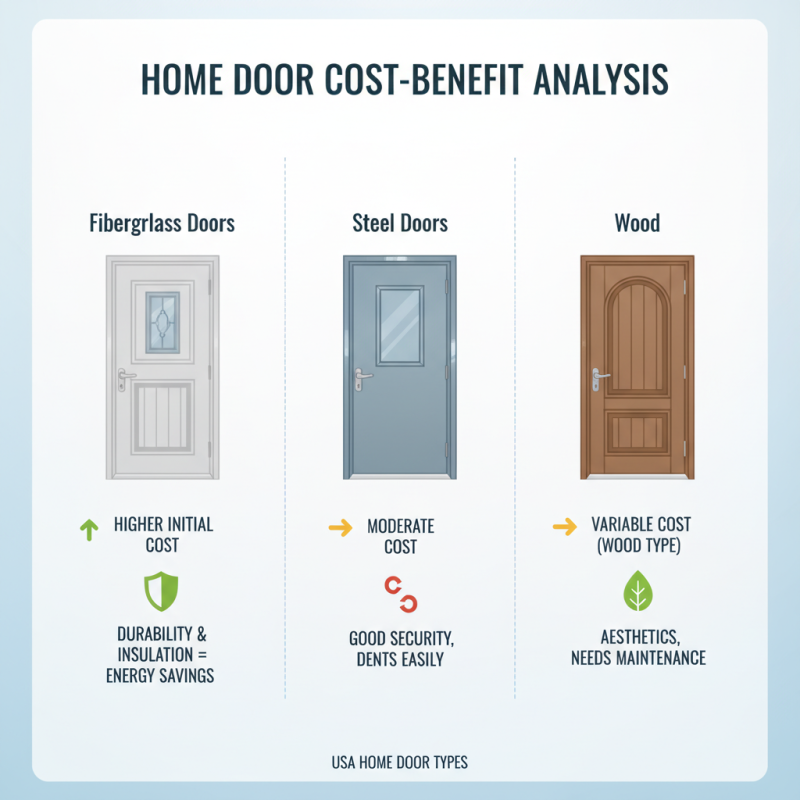
When considering door types for homes in the USA, a detailed cost-benefit analysis is essential. Each door type comes with its own financial implications and functional benefits. For instance, fiberglass doors are known for durability, but they often come with a higher price tag. They can withstand harsh weather and provide better insulation, which can lead to lower energy bills. However, their initial cost might deter some homeowners.
Wood doors offer classic appeal and excellent insulation. Yet, they require regular maintenance to prevent warping and deterioration. Many homeowners overlook this aspect, resulting in additional long-term costs. Steel doors, while lower in initial expense, can lead to higher energy costs if they are not insulated properly. It's crucial to weigh immediate savings against future expenditures.
When choosing a door, consider the overall value rather than just the upfront cost. Think about longevity, maintenance, and energy efficiency. It might be easy to focus solely on aesthetics. However, the right door can significantly impact a home’s energy efficiency and safety. Reflecting on your lifestyle and priorities will help make an informed decision.
Trends in Door Design: A Look at Popular Styles and Innovations in 2023
In 2023, door design trends reflect a blend of functionality and aesthetics. Homeowners prioritize durability while seeking fresh styles. Glass doors have gained significant popularity, offering transparency and light. According to a recent industry report, around 40% of homeowners now choose energy-efficient glass options, enhancing both style and energy performance.
Natural materials are also trending. Wood doors, with their rich textures, remain a favorite. They bring warmth to any space. A study shows that 55% of consumers prefer traditional wood over other materials. However, maintenance can be a concern. Homeowners must regularly treat wooden doors to prevent decay.
Innovations in door technology lead the way, too. Smart doors are becoming commonplace, featuring integrated security systems. These doors often support connectivity with smart home devices. While this offers convenience, not all smart options are reliable. Consumers must evaluate their long-term performance before purchasing. Design choices are more than aesthetics; they are about enhancing everyday living.