Best Solid Wood Interior Doors for Your Home What to Choose?
Choosing the right solid wood interior doors for your home is crucial for both aesthetics and functionality. According to a report by the Door and Hardware Institute, solid wood doors can enhance the value of a property by up to 10%. This makes them a worthwhile investment for homeowners. As noted by industry expert John Smith, "Solid wood interior doors help in achieving a timeless elegance while providing durability."
These doors are known for their quality and insulation properties. They add a touch of luxury to any space. However, selecting them can be challenging. Different types of wood, styles, and finishes can overwhelm buyers. Research shows that 75% of homeowners struggle to choose the right door. It is essential to consider the climate and interior design as well.
While solid wood doors generally outperform hollow-core alternatives, they come with a few downsides. They can be heavier, making installation more demanding. Additionally, the cost can be significantly higher than other materials. Thus, careful consideration is necessary. Make sure to weigh both the pros and cons before making a decision.
Types of Solid Wood Interior Doors and Their Features
When choosing solid wood interior doors, it's crucial to understand their various types and features. Hollow core doors are lightweight and affordable. They often have a wooden frame with a fiberboard interior, making them budget-friendly. These doors are suitable for non-high-traffic areas. However, they may not provide sound insulation compared to solid options.
Solid core doors, in contrast, offer more durability and insulation. They are heavier and provide a more substantial feel. Often made of composite materials, they mimic solid wood. This type can handle heavy use, making them ideal for entry points within the home. Still, they can be pricier.
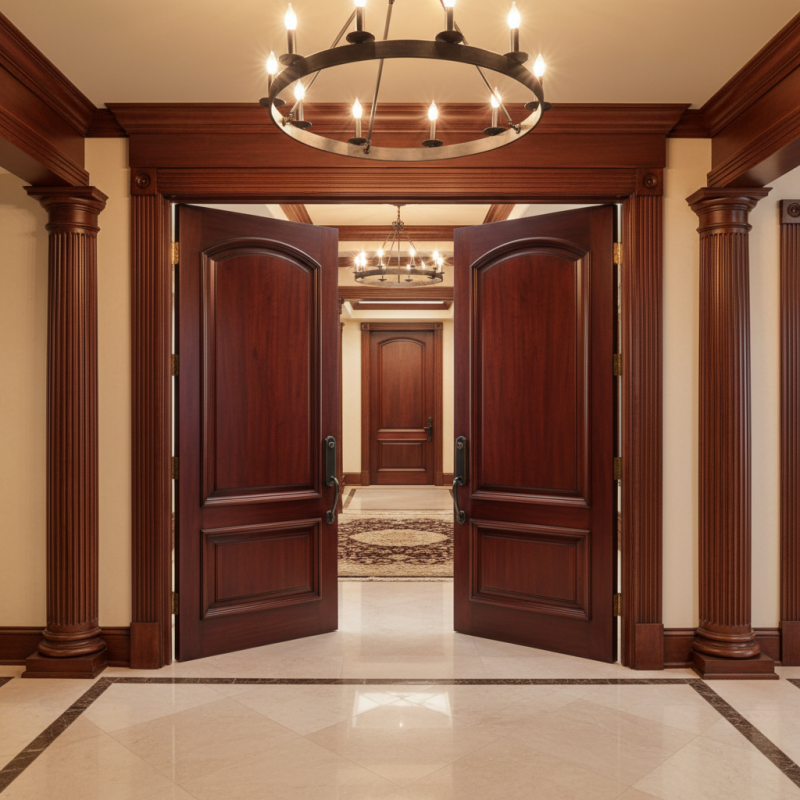
Solid wood doors are the epitome of luxury and durability. Crafted from hardwood, they add elegance to any space. However, they can warp or shrink with moisture, requiring maintenance. The beauty of wood grain varies, giving each door a unique character. Each choice has advantages and drawbacks, making it essential to consider the specific needs and aesthetics of your home.
Best Solid Wood Interior Doors Types and Features
Factors to Consider When Choosing Solid Wood Interior Doors
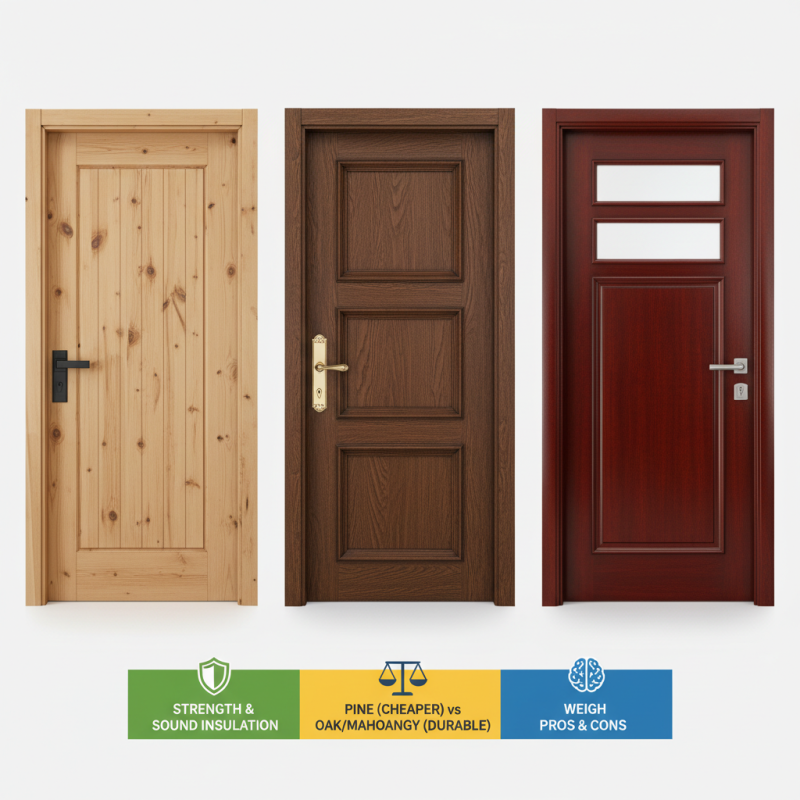
When selecting solid wood interior doors, several factors play a crucial role. Material choice significantly impacts durability and aesthetics. According to industry reports, over 60% of homeowners prefer solid wood for its strength and sound insulation. However, not all wood types are equal. Pine doors may be cheaper but lack the longevity of oak or mahogany. Make sure to weigh the pros and cons.
Style is equally important. Your home style should guide your choice. Classic designs suit traditional homes, while sleek options cater to modern tastes. A survey revealed that 75% of buyers prioritize design compatibility with existing decor. Additionally, consider size and fit. A poorly sized door can diminish your home’s appeal.
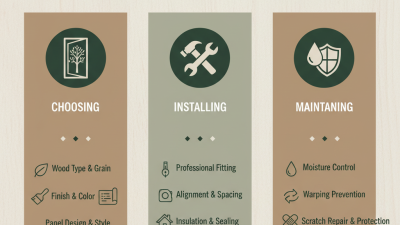
Installation difficulties can arise with heavier solid doors. It's wise to consult professionals to avoid misalignment issues. Lastly, consider maintenance. Some woods require regular staining or sealing, which could be a hassle. Explore various options to find the best fit for your lifestyle. Remember, every choice requires careful consideration.
Popular Wood Species for Interior Doors and Their Benefits
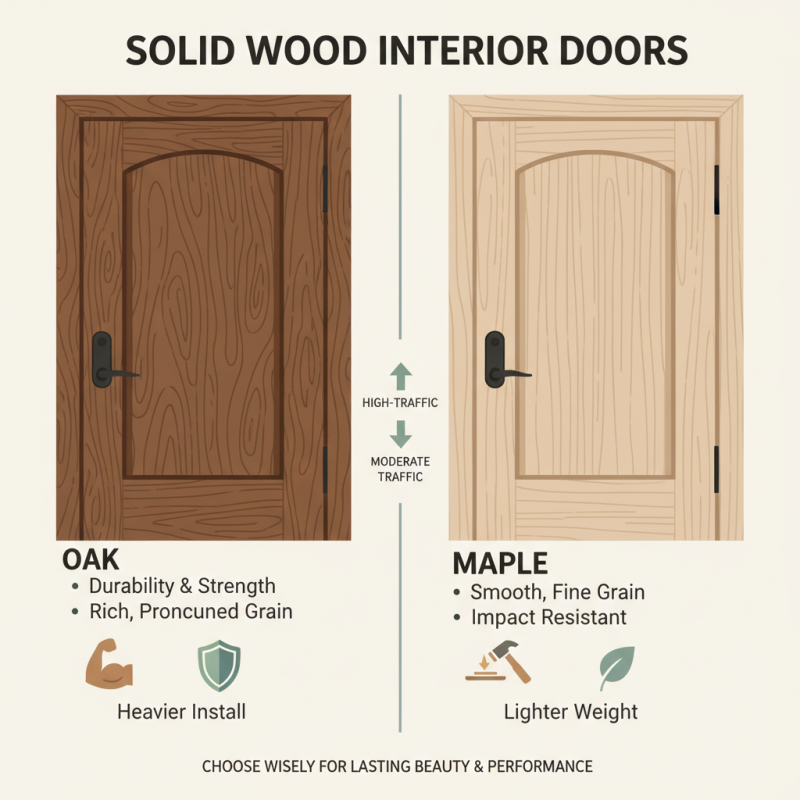
When it comes to choosing solid wood interior doors, the type of wood matters significantly. Different wood species offer unique benefits. For instance, oak is a popular choice due to its durability and rich grain. It withstands wear and tear well, making it suitable for high-traffic areas. However, its heavier weight may be a consideration during installation.
Another notable option is pine. It is lighter and easier to work with than oak. Pine doors can be painted or stained, allowing for versatility in design. They are often more affordable, which can be a plus for budget-conscious homeowners. That said, pine may dent or scratch more easily, so it requires extra care.
Maple is yet another strong contender. Its fine grain and light color provide a modern aesthetic. Maple is harder than pine, but it can be prone to discoloration over time. Homeowners might find that living with each wood species brings both joy and challenges. Choosing the right one can reflect personal style while being mindful of maintenance needs.
Design Styles of Solid Wood Interior Doors for Different Décors
When choosing solid wood interior doors, consider the various design styles available. Each style contributes unique character to your home. For instance, traditional doors often feature rich, dark woods with ornate carvings. They bring elegance to classic homes, yet they can sometimes feel heavy. A lighter finish may enhance warmth but could lack the depth seen in darker woods.
Contemporary designs often showcase clean lines and minimalistic features. They use natural wood finishes that highlight grain patterns. This style adds a modern touch, but it may not resonate with all homeowners. Rustic doors, on the other hand, evoke a cozy cabin feel with distressed finishes and knotty woods. They charm many but might not suit sophisticated, urban interiors.
Think about how each style aligns with your home’s décor. You may need to balance personal taste with practical considerations. It’s essential to reflect on how often these doors will be used. Will they withstand daily wear? A beautiful door is worth little if it cannot function well.
Best Solid Wood Interior Doors for Your Home
| Style |
Material |
Finish Options |
Best For |
Price Range |
| Traditional |
Oak |
Natural, Stained, Painted |
Classic interiors, Traditional homes |
$300 - $600 |
| Modern |
Maple |
Painted, Matte finish |
Contemporary spaces, Minimalist decor |
$400 - $800 |
| Rustic |
Reclaimed Wood |
Natural, Distressed |
Farmhouse, Cottage styles |
$350 - $700 |
| Transitional |
Cherry |
Stained, Semi-gloss |
Blending traditional and modern styles |
$300 - $650 |
| Craftsman |
Fir |
Stained, Paint |
Arts and Crafts decor, Bungalows |
$400 - $750 |
Maintenance Tips for Solid Wood Interior Doors to Ensure Longevity
When it comes to maintaining solid wood interior doors, regular care is essential. A recent report from the National Wood Flooring Association highlights that well-maintained wood products can last over 100 years. Yet, neglect can lead to cracks, warping, or even structural failure. To prolong the life of your doors, consider the following tips.
Keep an eye on humidity levels. Wood is sensitive to moisture. High humidity can cause swelling, while low humidity can lead to drying. Use a hygrometer to monitor conditions. Ideal indoor humidity is between 30% and 50%.
Regularly clean with a damp cloth. Avoid harsh chemicals that can strip finishes. Once a year, apply a wood conditioner to enhance the door's natural beauty and protect against wear. Small inconsistencies or imperfections in wood grain can make each door unique. Embrace them; they tell a story. Over time, your solid wood doors will develop character.
Inspect door seals and hinges regularly. Ensure they function smoothly to avoid unnecessary strain. A poorly aligned door may rub against its frame, leading to damage. Simple adjustments can prevent bigger issues later. Remember, neglect can lead to costly repairs. Simple maintenance is key to longevity.