2026 Best Nail Intramedullari Options for Your Needs?
When it comes to bone fixation, selecting the right nail intramedullari is crucial. In 2026, many options are available to meet different needs. Each type of nail has distinct features that serve various applications. For patients with complex fractures, certain intramedullary nails offer enhanced stability and support.
Choosing a Nail Intramedullari involves careful consideration. Not all nails are created equal. Some may not fit your specific case, which could lead to complications. An extensive range of materials and designs makes the decision even more puzzling. However, understanding these options is key to ensuring successful outcomes.
The ideal nail must provide sufficient strength without compromising mobility. A balance between these attributes often requires thoughtful evaluation. Even the best options have their limitations. Reflecting on past choices can help guide your decision-making process. After all, the goal is a functional recovery tailored to individual patient needs.
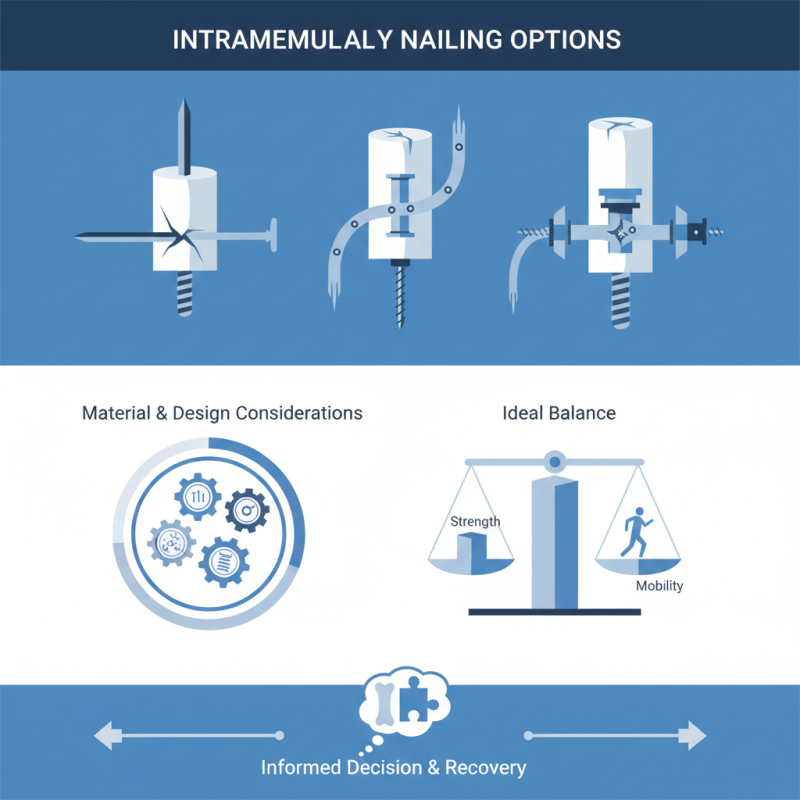
Understanding Intramedullary Nails: What They Are and How They Work
Intramedullary nails are crucial tools in orthopedic surgeries. They are inserted into the medullary cavity of long bones. This method stabilizes fractures by allowing weight-bearing activities sooner. Understanding how these nails work can ease concerns about the surgical process.
The design of intramedullary nails varies, allowing for different applications. They come in various lengths and diameters to fit specific bones. The insertion requires careful planning and skilled technique. Sometimes, complications arise, such as malalignment or infection. These outcomes can be concerning, yet they remind us of the importance of proper surgical advocacy.
**Tips**: Always discuss your options with your surgeon. Ask about the advantages and risks. Recovery also needs attention. Physical therapy plays a critical role in regaining strength and mobility. Don't hesitate to communicate any discomfort during your healing journey. Be open to adjustments in your rehabilitation plan for optimal recovery.
2026 Best Nail Intramedullary Options for Your Needs
This chart illustrates the satisfaction ratings for different types of intramedullary nails based on user feedback. Type C shows the highest satisfaction, indicating it may be the best option for users in 2026.
Types of Intramedullary Nails: A Comprehensive Overview for Selection
When considering intramedullary nails, it's crucial to understand the variety available. These implants are designed to stabilize fractures within the bone. In a recent industry report, it was noted that about 70% of orthopedic surgeons prefer intramedullary nails for diaphyseal fractures. This method promotes quicker healing and reduces recovery time.
Intramedullary nails come in different types, each serving distinct needs. For instance, the locking nail allows for secure fixation, addressing complicated fractures. This option accounts for around 40% of preferences among surgeons surveyed. Yet, concerns remain; some studies suggest complications can arise, such as infection or improper alignment.
Selecting the right type requires careful consideration of the fracture's location and the patient’s overall health. Not every nail will fit every situation. The complexity of individual cases often calls for customization. Multinational research shows that even experienced surgeons sometimes struggle with these decisions. Balancing the benefits and potential risks is essential, highlighting the nuances in intramedullary nail selection.
Factors to Consider When Choosing Intramedullary Nails for Treatment
When choosing intramedullary nails, several factors demand attention. The type of fracture greatly influences the nail selection process. Studies highlight that over 70% of long bone fractures can be treated with locked intramedullary nailing. It’s essential to understand the fracture geometry. Complex fractures often require more advanced solutions. Consultation with orthopedic specialists is crucial.
Material composition is another critical aspect. Titanium and stainless steel are common options. Titanium is lightweight and biocompatible, making it ideal for many patients. However, stainless steel offers superior strength. A study indicated that nearly 40% of patients experienced complications related to material choice. Proper evaluation of patient needs can help reduce these risks.
Finally, consider the size and length of the nail. These parameters must match patient anatomy. An improper fit may lead to inadequate stabilization or delayed healing. According to recent data, incorrect nail length can lead to a 25% increase in reoperation rates. Balancing all these factors is key to selecting the right intramedullary nail. Each decision comes with its challenges and reflections.
Comparative Analysis of the Best Intramedullary Nails in 2026
In 2026, various intramedullary nails are becoming increasingly popular in orthopedic surgeries. These devices are essential for stabilizing fractures. A closer look reveals several types, each designed for different needs. Surgeons often choose based on factors like bone quality, fracture type, and location.
For instance, some nails are lightweight and made from advanced materials. They allow for quicker recovery. Others may offer additional features to enhance fixation. However, not every option is perfect for all patients. Some designs can lead to complications or delays in healing. The choice of nail often depends on the surgeon's experience and patient outcomes.
It's crucial to understand that not all intramedullary nails perform the same. There are trade-offs to consider. Some nails may require more surgical skill to insert. Others might be less invasive but not as strong. Ultimately, careful selection can impact recovery times and overall satisfaction. Finding the right fit takes thorough discussion between the patient and the medical team.
2026 Best Nail Intramedullari Options for Your Needs? - Comparative Analysis of the Best Intramedullary Nails in 2026
| Type | Material | Length (cm) | Diameter (mm) | Weight (g) | Price (USD) | Rating (/5) |
| Locked Intramedullary Nail | Titanium Alloy | 30 | 10 | 180 | 320 | 4.5 |
| Unipolar Intramedullary Nail | Stainless Steel | 28 | 8 | 150 | 250 | 4.2 |
| Bipolar Intramedullary Nail | Carbon Fiber | 32 | 9 | 160 | 300 | 4.6 |
| Reamed Intramedullary Nail | Alloy Steel | 29 | 11 | 190 | 340 | 4.3 |
| Non-Reamed Intramedullary Nail | Titanium | 27 | 10 | 170 | 280 | 4.4 |
Post-Operative Care and Recovery with Intramedullary Nails: Key Tips
Post-operative care is crucial after intramedullary nail surgery. It can significantly affect recovery. Patients need to follow specific guidelines for a smooth healing process. Pain management is a priority. Medications should be taken as directed. Over-the-counter pain relievers may help, but always consult with your healthcare provider.
Wound care is equally important. Keep the surgical site clean and dry. Watch for signs of infection, like increased redness or drainage. Mobility is encouraged early on. However, overdoing it can lead to complications. Walking aids might be necessary to avoid putting too much weight on the affected limb.
Physical therapy plays a vital role in recovery. Start with gentle exercises as recommended by your therapist. Gradually increase intensity. Listen to your body’s signals. Frustration may arise from limited movement, but patience is key. Recovery isn't always linear; setbacks can happen. Reflect on progress regularly to stay motivated.