What Are the Best Home Doors from China for Global Buyers?

Choosing the best home doors from China requires more than comparing catalog prices. Global buyers must examine materials, manufacturing quality, design flexibility, and supplier reliability. A door may look impressive online, yet its frame, hinges, sealing system, or finish may tell a different story.

China offers many door options for residential projects. These include solid wood doors, engineered wood doors, steel security doors, aluminum doors, fiberglass doors, and modern glass designs. Each type suits different climates, budgets, and architectural styles. For example, a coastal home may need stronger moisture resistance, while a cold region may prioritize thermal insulation and tight weather seals. Details matter.

Experience shows that samples are essential. Product photos can hide uneven paint, weak hardware, or poor edge finishing. Buyers should request technical drawings, material specifications, test reports, and clear packaging details. They should also confirm dimensions, opening direction, lock compatibility, and installation requirements before placing an order. A reliable manufacturer should answer these questions clearly and consistently.

No door is perfect.

Some suppliers may offer attractive prices but limited after-sales support. Others may provide excellent customization but longer production times. Careful buyers compare factories, inspect samples, review verified references, and consider shipping protection. Independent inspections can reduce avoidable risks, especially for large projects. This guide will explore how to evaluate Chinese door manufacturers, compare product categories, understand quality indicators, and select home doors that perform reliably in different global markets. Mistakes can happen. Good preparation makes them less costly.
What Are the Best Home Doors from China for Global Buyers?

Types of Home Doors Available from China

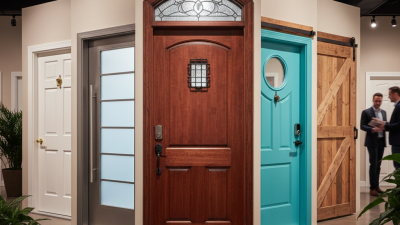
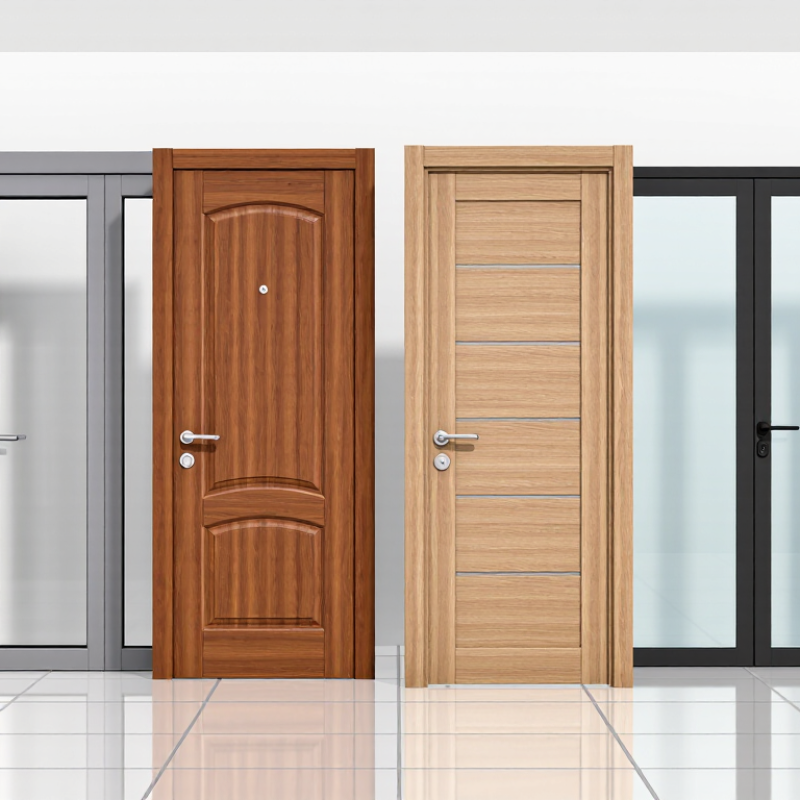
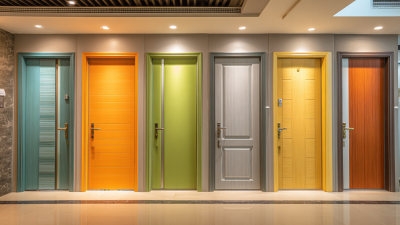
China offers a broad range of home doors for global buyers, including solid wood, engineered wood, steel, aluminum, glass, WPC, PVC, and composite models.

Interior wooden doors suit bedrooms and studies, while steel doors provide stronger resistance for entrances. Aluminum doors work well in humid areas because they resist corrosion and warping. WPC doors are practical for bathrooms, although their surface quality varies between factories.

It is worth checking the core material, edge sealing, hinge load, and actual thickness. Photos can mislead.

According to Fortune Business Insights, the global doors market was valued at about USD 140 billion in 2022 and may exceed USD 190 billion by 2030.

This growth reflects housing construction, renovation, and demand for better energy performance. Chinese suppliers commonly provide insulated aluminum doors, laminated panels, fire-rated doors, and smart entry systems. However, “fire-rated” should never be accepted without test reports from recognized laboratories.

Requirements differ across markets. Buyers should request certificates, sample sections, coating specifications, and packaging tests before ordering. Small details matter, especially when a door travels thousands of kilometers.

The practical choice depends on climate, building use, security expectations, and installation skills. A coastal home may need marine-grade hardware and improved drainage. A cold-region project may need low-conductivity frames and tighter seals.

According to the International Energy Agency, buildings account for around 30% of global energy demand, so door insulation deserves attention.

My own caution is simple: the cheapest quotation is rarely the cheapest installed door. Product consistency still needs independent inspection.
Key Materials and Construction Standards

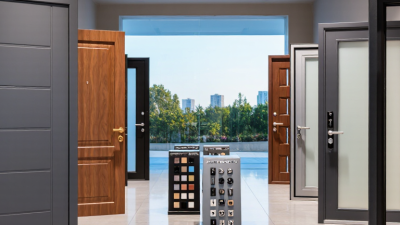
For global buyers, a home door from China should be judged by materials, testing, and construction details. Steel doors offer strong security and stable dimensions. Aluminum doors resist corrosion and suit humid or coastal areas. Solid timber provides warmth, but it needs careful moisture control. Composite doors can balance insulation, weight, and appearance.

The core matters as much as the outer skin. Polyurethane foam can improve thermal performance, while mineral wool supports fire-resistant designs. Check the door leaf thickness, frame reinforcement, hinge load, and threshold drainage. A well-made seal should close evenly without crushing. Ask for air, water, wind, thermal, and acoustic test data when relevant. Certificates should match the exact model, not merely a similar product.

Construction standards vary by destination. Buyers should specify the required regional codes before production begins. Fire-rated doors need tested assemblies, including the frame, hardware, glazing, and seals. Exterior doors also need measured U-values and weather-performance results. Factory quality checks should cover welding, coating thickness, moisture content, and dimensional tolerances. Sample approval is essential. Yet samples can look better than mass production. This remains a real risk. Independent inspections and batch records provide stronger evidence. No assessment is perfect, especially when drawings change late. A small hinge adjustment can affect alignment, sealing, and long-term use.

What Are the Best Home Doors from China for Global Buyers? - Key Materials and Construction Standards

Door Type Typical Construction Common Thickness Typical Thermal Performance Typical Acoustic Performance Weather and Durability Characteristics Recommended Applications Key Standards and Tests to Request
Insulated Steel Exterior Door Galvanized or coated steel skins, polyurethane or mineral-wool core, reinforced lock and hinge zones, weather seals and threshold. 45–70 mm door leaf; insulated cores commonly 30–60 mm. Typical whole-door U-value: approximately 1.0–1.8 W/m²·K, depending on glazing, frame and thermal breaks. Approximately 28–38 dB Rw when fitted with insulated glazing and continuous seals. High impact resistance and good dimensional stability. Requires effective anti-corrosion coating, sealed edges and drainage details in humid or coastal locations. Detached houses, apartments, utility entrances and high-traffic residential entrances. GB/T 8478 for relevant Chinese building doors and windows; EN 14351-1 for applicable European external doorsets; air, water and wind-load testing such as ASTM E283, ASTM E331 and ASTM E330 where required.
Thermally Broken Aluminum Door Powder-coated or anodized aluminum profiles separated by polyamide thermal barriers; insulated panels or double/triple glazing; multi-point locking options. 45–90 mm frame depth; 50–100 mm door leaf or panel system depth, depending on the profile series. Typical whole-door U-value: approximately 1.4–2.2 W/m²·K; high-performance systems can be lower with triple glazing and improved spacers. Approximately 30–40 dB Rw with laminated or insulated glazing and compression seals. Strong resistance to moisture, ultraviolet exposure and insects. Suitable for large openings, but thermal-break continuity and correct drainage are essential. Modern villas, balconies, patios, high-rise apartments and large glazed entrances. EN 14351-1 where applicable; EN 12207 for air permeability, EN 12208 for watertightness and EN 12210 for wind resistance; ASTM E283, E331 and E330 for North American projects.
Fiberglass Composite Door Molded fiberglass skins over a polyurethane or polystyrene core, reinforced lock block, composite or wood-grain finish, insulated frame option. 44–60 mm door leaf; frame depth commonly 100–140 mm. Typical whole-door U-value: approximately 0.8–1.4 W/m²·K for insulated, low-glazing configurations. Approximately 28–36 dB Rw, depending on core density, seals and glass area. Low moisture absorption, good resistance to rot and everyday denting. Dark finishes may require confirmation of solar-heat and color-retention performance. Single-family front doors, replacement projects and climates with significant temperature or humidity changes. NFRC-rated U-factor and solar heat gain data for U.S. projects; AAMA/WDMA/CSA performance grades where specified; ASTM E283, E331 and E330 for installed-system testing.
Solid Timber Door Engineered timber stiles and rails or solid wood construction, glued-up panels, protective coating, insulated or solid timber threshold. 40–60 mm door leaf. Typical whole-door U-value: approximately 1.4–2.2 W/m²·K; performance varies significantly with wood species, panel design and glazing. Approximately 28–38 dB Rw; higher ratings require increased mass, perimeter seals and suitable glazing. Warm appearance and repairability. Needs moisture control, stable timber moisture content, sealed end grain and regular finish maintenance. Traditional, premium and conservation-style homes; interior or sheltered exterior entrances. EN 14351-1 where applicable; EN 942 for timber quality classification; moisture-content and coating-system specifications; local fire, accessibility and weather-performance requirements.
WPC or PVC Residential Door Wood-plastic composite or rigid PVC profiles with internal chambers, steel reinforcement where required, insulated infill panels and replaceable gaskets. 40–70 mm door leaf; 60–100 mm frame depth, depending on system design. Typical whole-door U-value: approximately 1.0–1.8 W/m²·K. Approximately 28–36 dB Rw with multi-chamber profiles and insulated glazing. Good resistance to moisture, insects and routine cleaning chemicals. Thermal movement, reinforcement, color stability and corner-weld quality should be checked. Residential entrances, wet or humid climates, low-maintenance renovation projects and apartment balconies. EN 14351-1 where applicable; EN 12207, EN 12208 and EN 12210 for European performance classification; UV-aging, corner-weld and thermal-cycling tests should be specified.
Fire-Rated Steel or Timber Doorset Tested door leaf, frame, hinges, closer, lockset, seals, glazing and threshold supplied as a compatible doorset. Commonly 45–70 mm, but the tested assembly determines the permitted construction. Thermal insulation is secondary to fire performance; U-value must be declared separately for the complete assembly. Often approximately 30–42 dB Rw, but the rating depends on the complete tested configuration. Designed to limit fire and smoke spread for a declared period. Door hardware, glazing and installation must match the tested or assessed assembly. Apartment corridors, protected stairways, plant rooms, garages and separating walls. EN 16034 and EN 1634-1 for applicable European fire-resistance testing; UL 10C, NFPA 252 or equivalent local requirements for North American projects. Request test reports for the exact doorset configuration.
Security Entrance Door Reinforced steel or composite leaf, multi-point lock, anti-pry hinge protection, reinforced frame, security glazing and adjustable compression seals. 50–90 mm door leaf; frame and reinforcement depend on the security class. Typical whole-door U-value: approximately 1.2–2.0 W/m²·K when insulated materials and thermal breaks are included. Approximately 30–42 dB Rw with a sealed, insulated assembly. Improved resistance to forced entry, impact and deformation. Performance depends on the tested lock, cylinder, hinges, frame anchoring and wall connection. Detached houses, apartment entrances and projects with elevated security requirements. EN 1627–EN 1630 for European resistance-to-burglary classification; ASTM F476 or project-specific security testing where applicable; verify cylinder, lock and hardware certifications separately.

Buyer verification note: The figures are typical indicative ranges for residential door systems, not guaranteed product ratings. Final performance depends on the complete doorset, dimensions, glazing, frame, hardware, installation and local climate. Ask for independent test reports, declared dimensions, material specifications, coating details, warranty terms, packing requirements and installation instructions. Confirm the applicable code in the destination market before purchase.

How to Evaluate Chinese Door Manufacturers

Choosing home doors from China can offer strong value, but the manufacturer matters more than the catalog.

A reliable supplier should explain frame materials, core structure, surface finishes, hardware, and production limits clearly. Ask for technical drawings and a physical sample. Photos can hide uneven edges, weak seals, or color differences.

Evaluate the factory, not only the sales representative. Request business credentials, production videos, quality-control records, and recent project references. Check whether the factory performs moisture, impact, cycle, and insulation tests. Independent laboratory reports add credibility, especially for fire-rated or exterior doors. Confirm which standards the reports cover and whether they match your destination market. A factory may provide excellent samples but inconsistent mass production. This is where many buyers become disappointed. I would also inspect packaging details, because damaged corners often reveal poor process control.

Tips: Compare at least three manufacturers using the same specification sheet. Clarify minimum order quantities, replacement procedures, inspection stages, and delivery terms in writing. Test several samples, not just one. Leave room for errors in your schedule. Factory communication can be efficient, yet small measurement changes may still create costly misunderstandings. Use clear drawings, labeled photos, and signed approvals before production begins. A dependable manufacturer welcomes practical questions instead of making promises that sound perfect.

Customization, Pricing, and Minimum Order Requirements

What Are the Best Home Doors from China for Global Buyers?

Customization usually begins with the opening size, wall thickness, swing direction, and climate. Buyers can select solid wood, engineered wood, steel, aluminum, or composite constructions. Glass type, hinge color, lock preparation, surface texture, and weather seals also affect the final result. I recommend sending a measured drawing, photos, and a clear hardware list. Small measurement errors can create expensive installation problems.

Pricing depends on material, door size, finish, packaging, and order volume. A basic interior door may cost less than a fire-rated or insulated entry door. However, the factory price is only one part of the budget. Add sampling, tooling, export packing, freight, insurance, duties, and local installation. Ask for a detailed quotation with each item separated. A low quote can mislead.

Minimum order requirements vary by product. Standard designs may allow small orders of 10 to 20 units. Custom colors, special molds, or unusual dimensions often require higher quantities. Confirm whether the sample fee is refundable after production. Before placing an order, request drawings, material specifications, finish samples, and pre-shipment inspection records. I once underestimated packaging space, and freight costs changed the project plan. That mistake still deserves attention.

Shipping, Compliance, and Quality Inspection for Global Buyers

For global buyers, Chinese home doors should be evaluated beyond price and appearance. Shipping begins with accurate measurements, packing plans, and destination-port requirements. Confirm the door slab, frame, hardware, and spare parts before production. A small size error can create expensive installation delays. Use moisture-resistant wrapping, corner protection, and reinforced pallets for long sea journeys. Container loading should keep cartons away from wet floors and damaged walls.

Compliance needs written evidence, not informal promises. Ask for material specifications, test reports, labeling details, and the required fire, safety, or energy performance documents for your market. Check whether reports match the actual door construction, including core material, glass, coatings, and hardware. Requirements differ between countries, and one certificate may not satisfy another authority. Import codes and product descriptions should also be reviewed with a qualified customs professional. This step is often rushed.

Quality inspection works best in stages. During production, inspect dimensions, surface finish, hinge positions, seal alignment, and color consistency. Before shipment, open samples from different cartons, not only the easiest one. Test locks, close each door, and measure moisture where timber is used. An independent inspector can record defects with photographs and sampling data. Still, inspection is not perfect. A clean report cannot replace clear specifications or factory communication. I would leave time for corrections, because hurried loading has caused avoidable mistakes in real purchasing projects.