Best Exterior Doors for Energy Efficiency and Style?
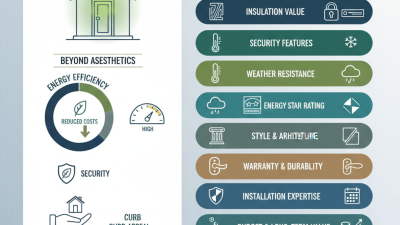
Choosing the right exterior doors is crucial for both aesthetics and energy efficiency. Homeowners face numerous options in the market today. Each choice reflects personal style while impacting energy consumption. The right exterior door can enhance curb appeal and reduce heating or cooling costs.
Energy-efficient doors help maintain a comfortable indoor climate. Features such as insulation, weatherstripping, and energy ratings are key. Doors made from fiberglass or steel typically outperform wood in energy efficiency. However, wood doors offer timeless beauty and can be energy-efficient if properly maintained.
Selecting the ideal exterior doors involves careful consideration. Homeowners must balance style with functionality. Reflecting on personal needs will lead to a more informed choice. Are you prioritizing aesthetics, or is energy efficiency more important? The path to finding the best exterior doors is rarely straightforward, requiring thought and reflection.
Best Materials for Energy-Efficient Exterior Doors: A Comparative Analysis
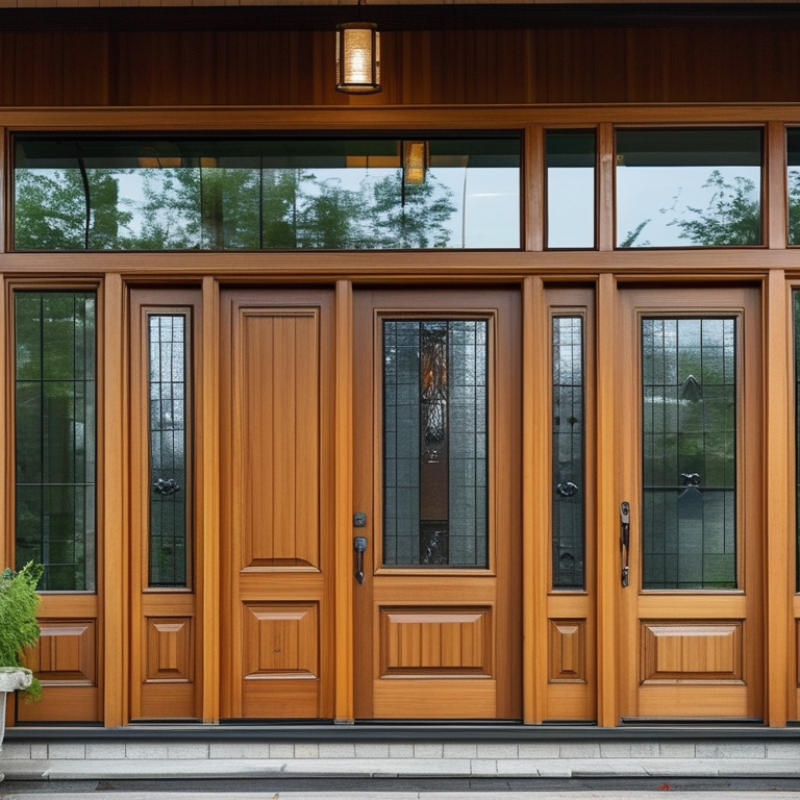
Choosing the right materials for energy-efficient exterior doors is crucial for both aesthetics and functionality. Wood, steel, and fiberglass are popular choices. Wood doors offer natural beauty and can be insulated well but may require more maintenance. Steel doors are incredibly durable and energy-efficient, often with added insulation. Fiberglass doors combine the benefits of both. They provide excellent energy efficiency and resist warping and cracking.
When selecting a door, consider the R-value, which measures its insulation effectiveness. A higher R-value often means better energy efficiency, reducing heating and cooling costs. Pay attention to the door's weather stripping, which plays a vital role in preventing drafts and improving insulation. Investing in a quality door can enhance your home's curb appeal and reduce energy bills.
Reflect on your climate. Some materials perform better in certain environments than others. For instance, if you live in a humid area, fiberglass may be more suitable than wood. Always seek advice from professionals about installation techniques, as proper installation is key to maximizing energy efficiency. It’s essential to balance style and energy needs, ensuring you choose a door that complements your home while keeping energy costs in check.
Understanding the Insulation R-Values in Exterior Door Selection
When selecting the best exterior doors, understanding R-value is crucial. R-value measures a material's ability to insulate. Higher R-values indicate better insulation, which helps maintain temperature inside your home. This is essential for energy efficiency and comfort.
One key consideration is the door material. Fiberglass doors typically offer higher R-values compared to steel or wood. They provide excellent insulation and are resistant to warping. However, the aesthetics might not suit every home's style. Consider your home's design as you make your choice.
Another factor is the door's installation. Proper installation can significantly affect energy efficiency. Air leaks around the frame can lead to heat loss. Make sure to check for gaps and seal them effectively. Also, remember that the door threshold plays a role in insulation. Invest time in ensuring it fits snugly.
Reflect on your priorities. Balancing style and energy efficiency isn't easy. Sometimes a visually appealing door might compromise insulation. Consider how much value you place on each aspect. This reflection can guide you in making the best choice for your home.
How Door Design and Style Influence Energy Efficiency
Door design significantly affects energy efficiency. High-quality materials insulate better, preventing heat loss. Styles like solid wood or fiberglass withstand weather changes. The frame's thickness also plays a crucial role in maintaining indoor temperatures.
Windows and glass panels can enhance or diminish efficiency. Double-glazed options offer superior insulation compared to single-pane designs. The placement of doors affects airflow; doors facing direct sunlight may require more insulation. Decorative glass adds charm but can reduce efficiency if not designed responsibly.
Choosing the right color can also impact energy use. Darker colors absorb heat, while lighter shades reflect sunlight. Some designs need careful balancing of aesthetics and practicality. An elegant door should provide energy efficiency to ensure long-term comfort and savings.
Evaluating the Most Energy-Efficient Exterior Door Brands in 2023
Choosing energy-efficient exterior doors can significantly impact your home's comfort and utility bills. In 2023, various door brands have elevated their offerings, focusing on both energy efficiency and aesthetic appeal. Look for doors with high insulation ratings and energy-efficient glazing. These features help keep heat in during winter and reduce cooling costs in summer.
When evaluating options, consider the materials used. Fiberglass and steel doors often provide better insulation compared to traditional wood. They resist warping and have longer lifespans. However, wood doors offer a classic look but require regular maintenance. Weighing the pros and cons is vital to find the right balance between style and practicality.
To enhance energy efficiency, proper installation is crucial. Gaps can lead to significant air leakage. Ensure doors fit snugly within their frames, and don’t overlook the importance of weather stripping. Regular maintenance, like checking seals and adjusting hinges, can prolong a door's lifespan. Familiarizing yourself with these aspects can lead to a smarter investment in your home’s exterior.
Impact of Proper Installation on the Energy Efficiency of Exterior Doors
When it comes to energy efficiency, proper installation of exterior doors is often overlooked. Even the best door can fail to perform if not installed correctly. Gaps or misalignments at the edges can lead to significant air leaks. These leaks not only compromise insulation but also increase energy bills.
Investing in energy-efficient doors is a wise choice, yet installation is crucial. A door that fits snugly prevents drafts. This, in turn, keeps the indoor temperature stable. Homeowners may save on heating and cooling costs. However, not all installers have the same level of expertise. A professional installation ensures quality and longevity. Rushed or careless installation may cost more down the line.
Some indications of poor installation include drafts or difficulty closing. These issues can escalate if not addressed promptly. Regular inspections post-installation can help maintain efficiency. Homeowners need to understand that even quality materials require correct fitting to perform optimally. Experience and attention to detail play vital roles in achieving the desired energy efficiency.